Skip to content
Raise

Laying the Foundation: A Beginner’s Handbook to Egg-Raising Chickens 🐣

By Tanner Barnsley · Updated August 5, 2026 · 3 min read
DisclosureSome links here are affiliate links β€” if you buy through one I earn a small commission at no extra cost to you. It has never changed an answer, and nothing on this site is a paid placement.
Please read this firstI keep chickens; I am not a veterinarian. If a bird is unwell, off her feed, or you think she has eaten something toxic, call an avian vet rather than working from a blog post β€” including this one. Treat anything here as a starting point, not a diagnosis.
πŸ₯š By Tanner Β· ChickenRise

How to Raise Chickens for Eggs

From picking the breed to selling the surplus β€” the whole path, from someone who has actually kept the flock.
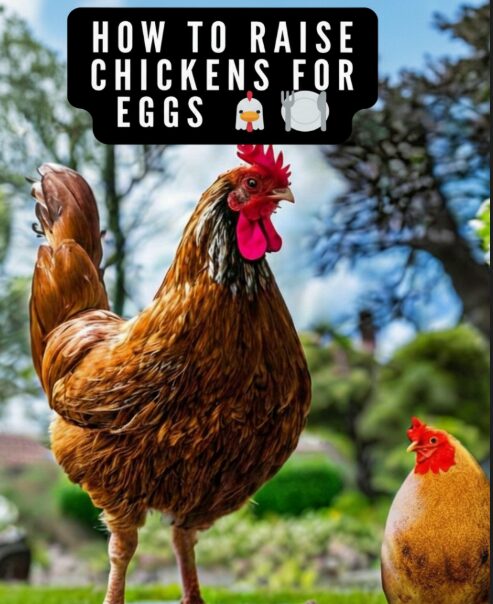
How to Raise Chickens for Eggs β€” book cover 97 pages Β· 12 chapters Β· PDF + Kindle

Everyone tells you fresh eggs are rewarding. Almost nobody tells you how many square feet a hen needs, or what to do the week they stop laying.

The advice is either a hatchery catalogue or a feelings post.

This is the practical middle: breed, coop, feed, behaviour, problems, and what to do with more eggs than you can eat.

Instant PDF download. Secure checkout by Stripe.

Most beginner chicken advice is the same five breeds and no climate context β€” which is how people end up with birds laying sixty eggs a year and no idea why.

This is for you if…

  • you are choosing breeds, a coop and feed and they feel like separate decisions
  • your hens have stopped laying and nobody can tell you why
  • you want honest numbers, not β€œfresh eggs are so rewarding”

Probably not, if…

  • you have kept a flock for years
  • you want a hatchery catalogue rather than a method

What’s inside

  • Introduction: Benefits, and the Myths Worth Ignoring
  • Choosing the Right Breed for Egg Production
  • Setting Up Your Coop
  • Feeding and Watering Your Chickens
  • Understanding Chicken Behavior
  • Collecting and Storing Eggs
  • Troubleshooting Common Problems
  • Breeding Your Chickens
  • Using Chicken Manure as Fertilizer
  • Integrating Chickens with Other Livestock
  • Selling Eggs for Profit
  • Encouragement to Start (or Keep Going)
What this book gets you
πŸ” The Backstory

Most beginner chicken advice is the same five breeds and no context.

You read a forum, pick a breed everyone likes, buy the coop that says it holds four hens, and hope. Then something goes wrong and the same forum tells you it is probably mites.

The problem is that breed, coop and feed are not three separate decisions β€” they compound. Get the space wrong and you get pecking. Get the feed wrong and you get soft shells. Then you are troubleshooting a symptom instead of the setup.

So this book runs in the order you actually need it: choose the bird, build or buy the coop, feed and water it properly, learn to read the flock, and only then deal with what goes wrong.

The problems that get a chapter
πŸ₯šThe case of the missing eggs, and the hen that has stopped laying
🐣Soft-shelled eggs, broody hens and feather-pecking
πŸͺ³Mites, and the signs that mean you need a vet rather than a forum
πŸ“¦What to do when you have far more eggs than you can eat

Twelve chapters, written as a path rather than a reference β€” including the parts most guides stop before: breeding, manure, other livestock, and selling eggs for profit.

What You’ll Discover Inside

πŸ”
Choosing the right breed for eggs. What actually separates the popular laying breeds, how to compare them honestly, my own favourite and why, and where to buy birds.
🏠
Building or buying the coop. Location, size, materials and accessories β€” including the minimum space per bird, which is where most beginners go wrong before they own a chicken.
🌾
Feed, water and supplements. Reading a feed label, what to add and when, why clean water matters more than people think, and the signs of dehydration.
πŸ’°
Selling eggs for profit. The legal and practical side, packaging and labelling, finding your market, pricing, and running it as a small business rather than a hobby that leaks money.

What this actually looks like

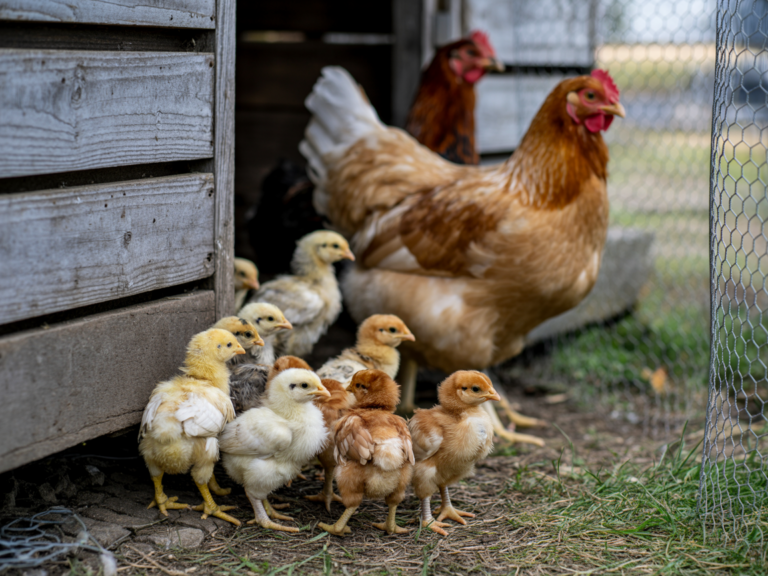
The coop, the flock and the result.
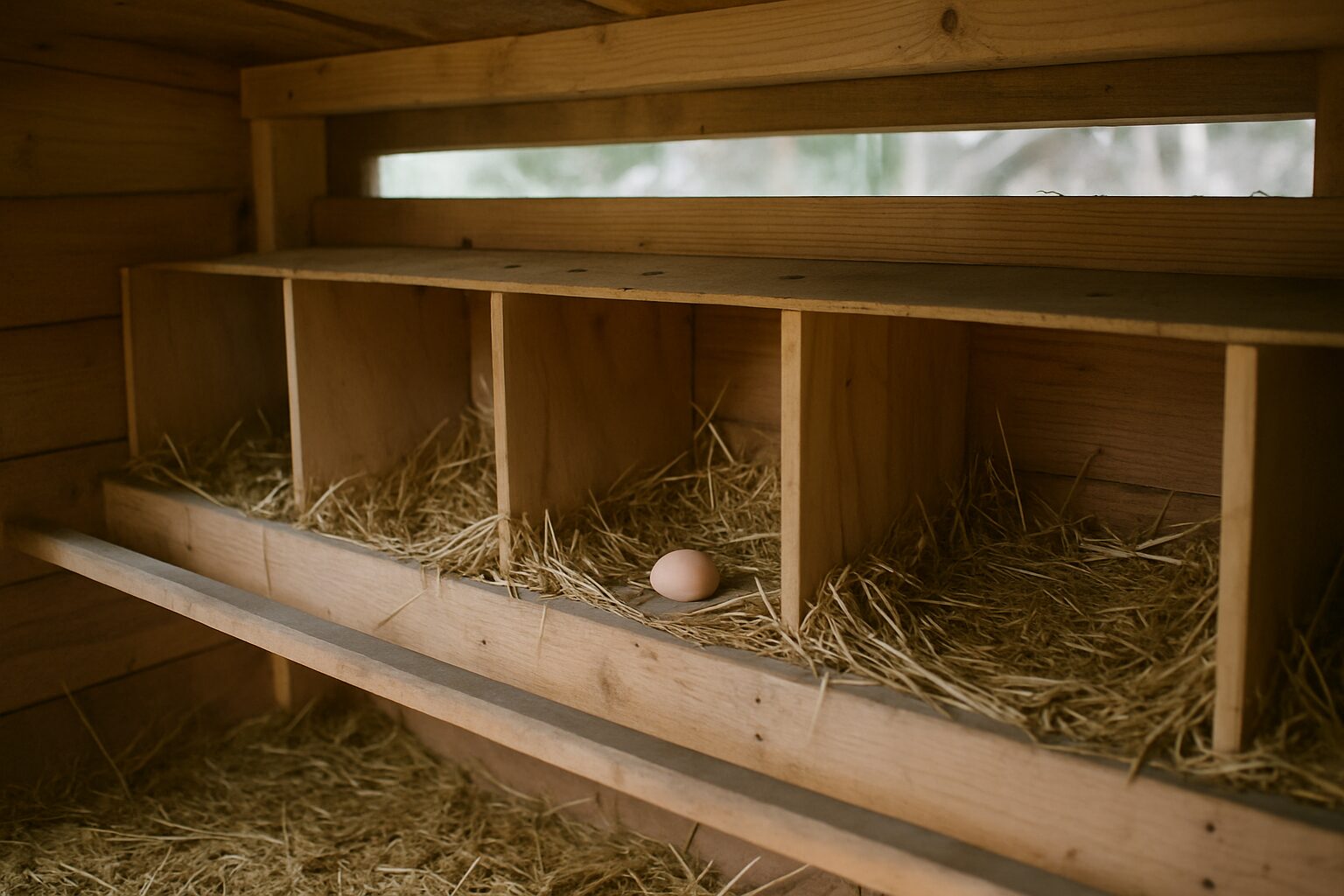
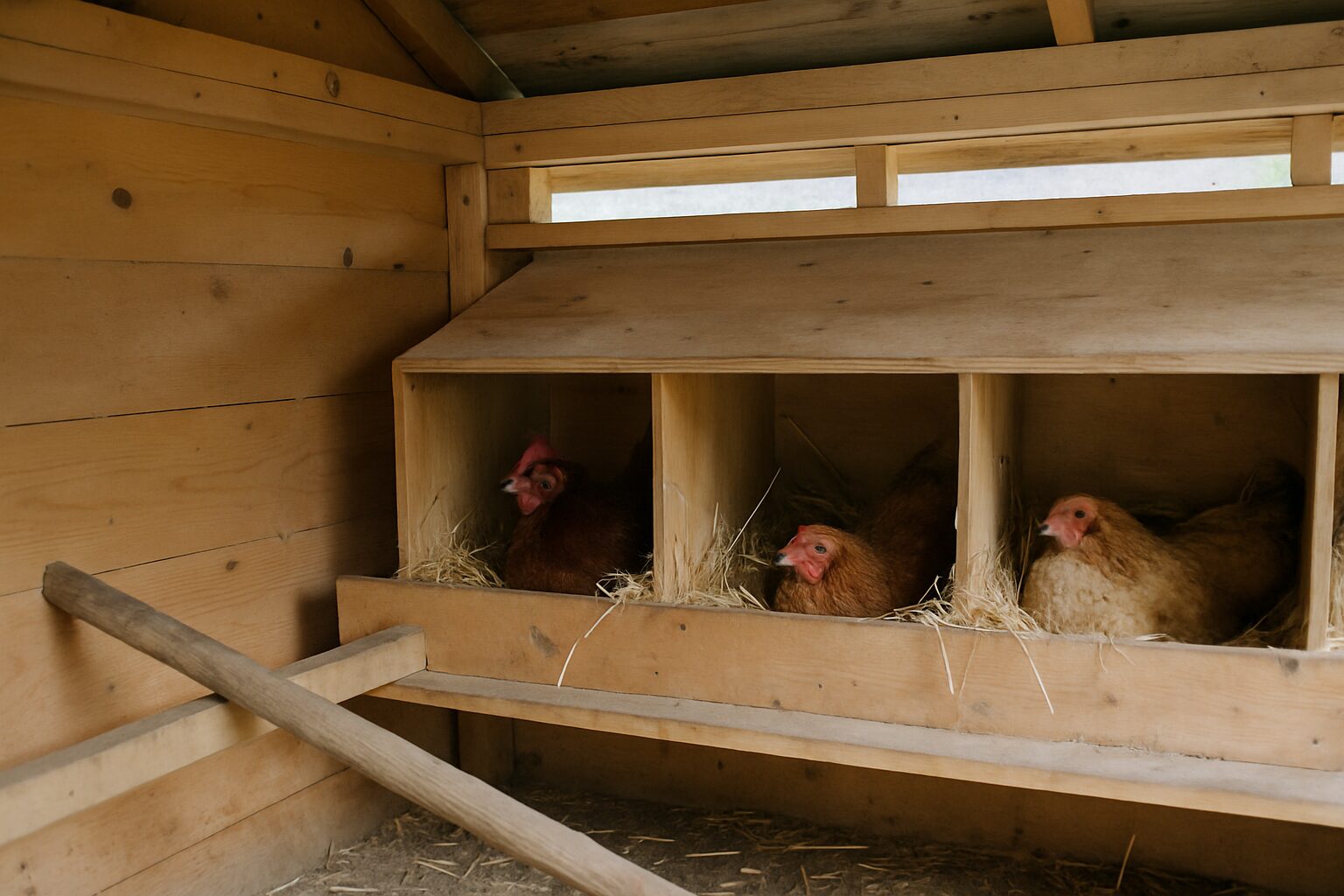
Nest boxes done properly β€” clean straw, real ventilation
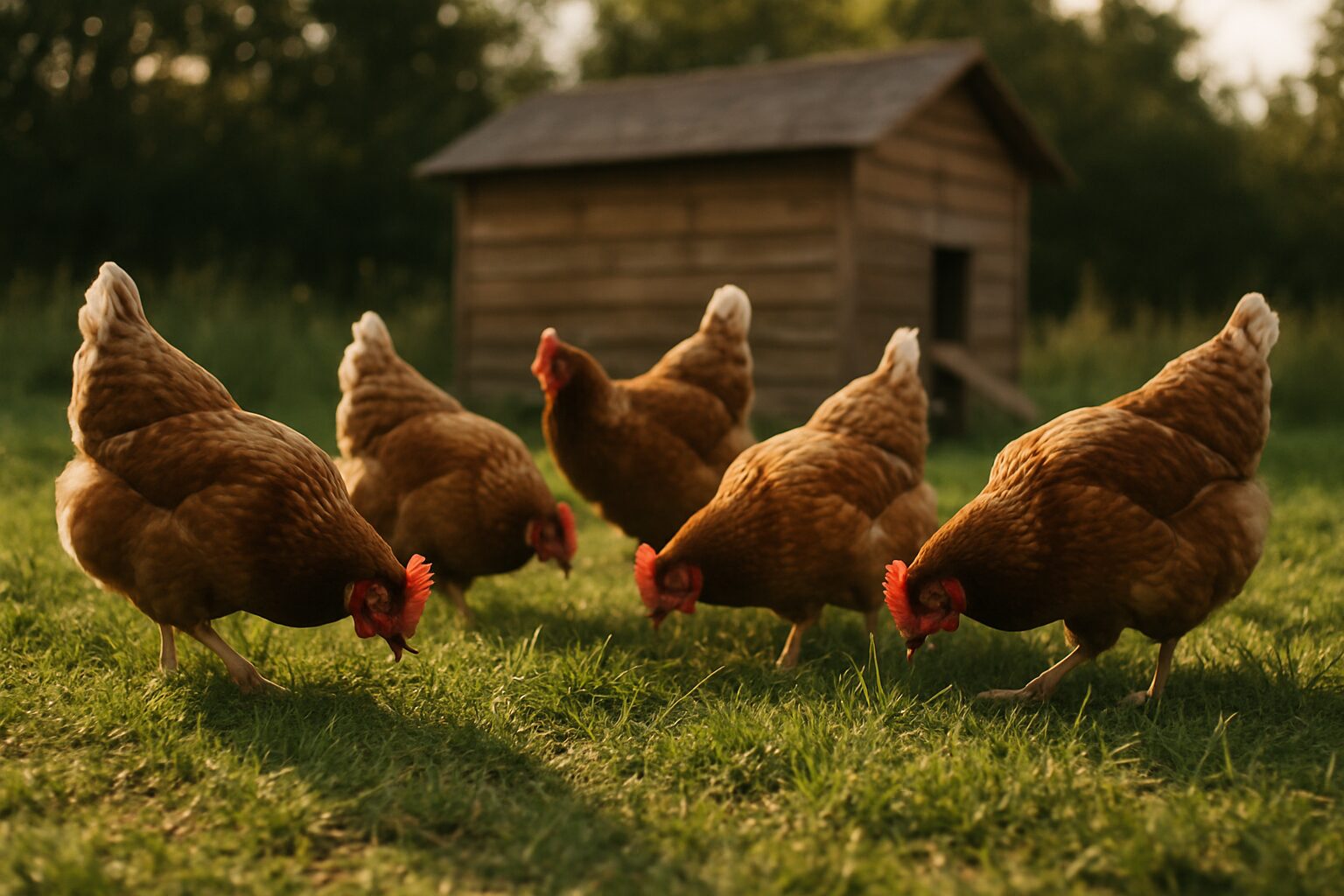
A small flock foraging in the afternoon
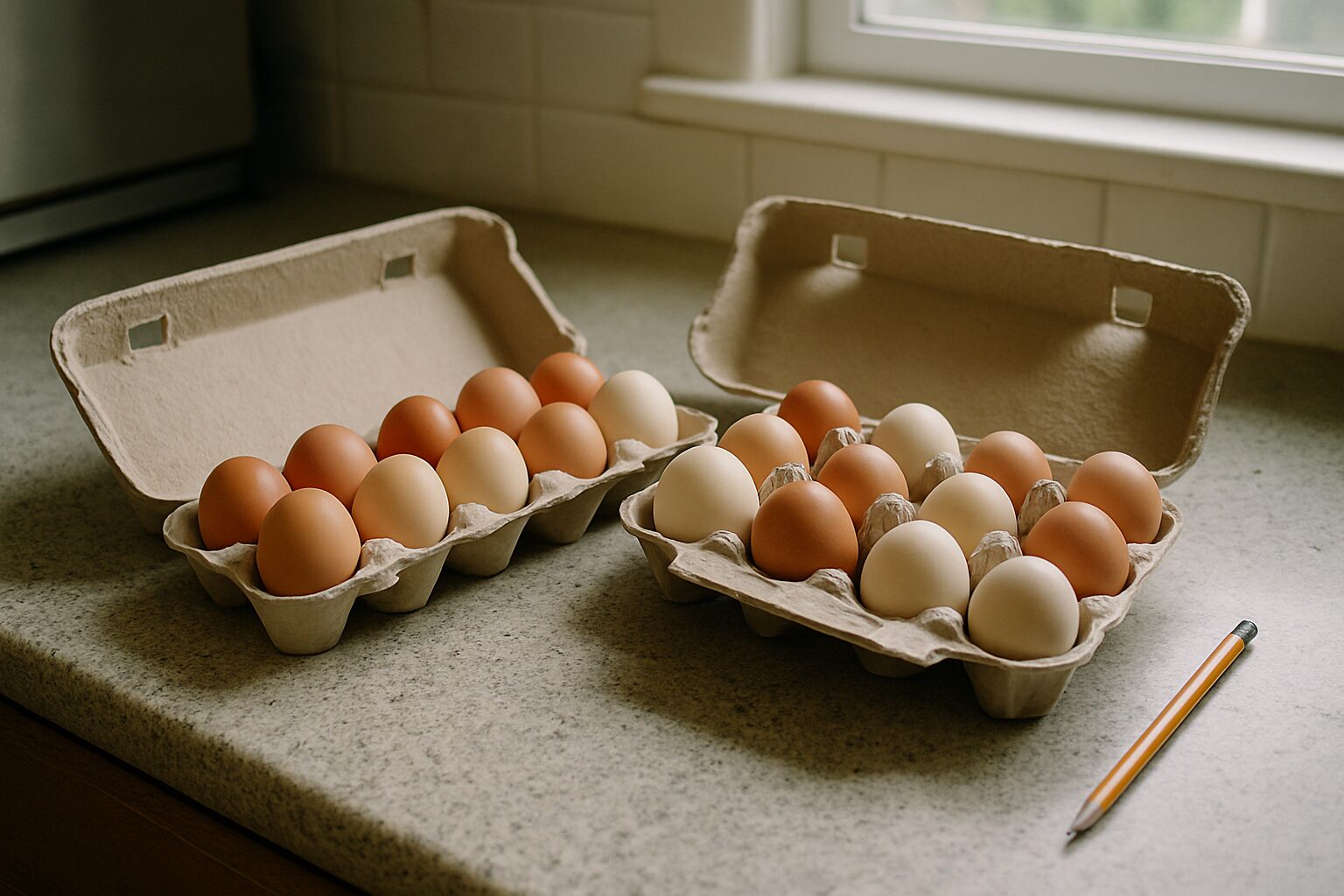
The part everyone is here for
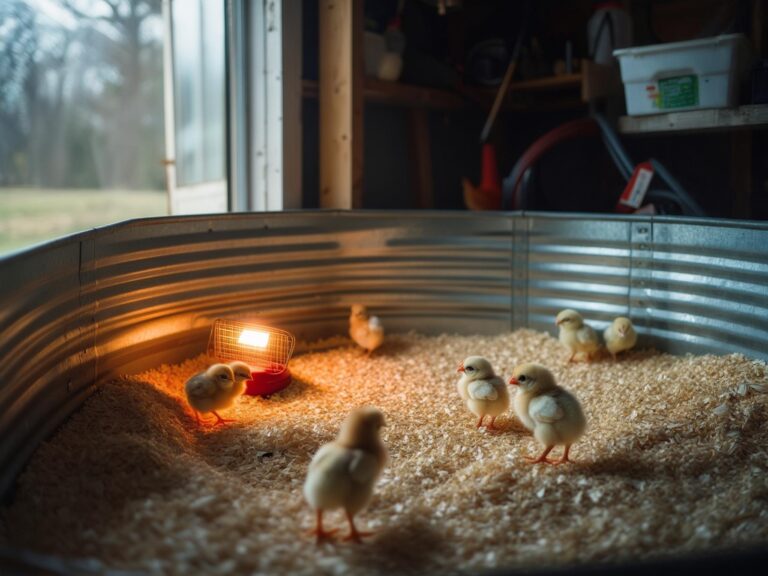
The work behind the results
Instant PDF download. Secure checkout by Stripe.

This is for you if you’ve ever…

βœ“Wanted your own eggs but could not tell which breed advice to trust
βœ“Had hens stop laying and found nothing but “it is probably natural”
βœ“Wondered whether a backyard flock can pay for itself

“I’ll be your companion in transforming your backyard into a haven for fresh, tasty eggs β€” from choosing the breed to the coop they may never want to leave.”

Get the Eggs. And the Reasons Behind Them.

Ninety-seven pages, twelve chapters, and no chapter that ends in “it is probably mites”.

β€” Tanner

Prefer it on Kindle, Apple Books or Kobo?
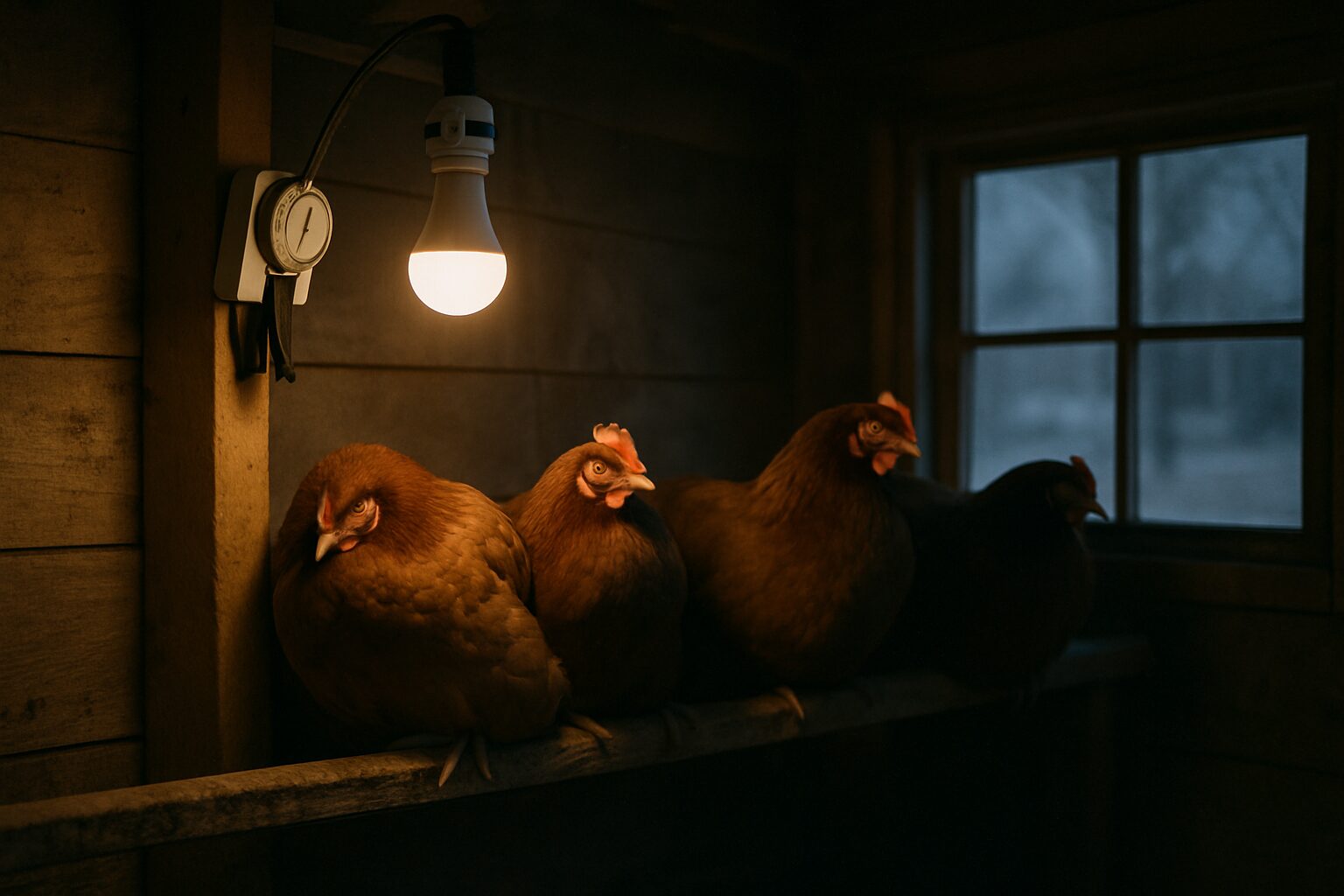
One of the techniques inside
Instant PDF download. Secure checkout by Stripe.

Instant PDF download. Secure checkout by Stripe Β· Yours to keep Β· Trouble with your file? Reply to your receipt and we will sort it out.

Written by

Tanner Barnsley

I keep a small backyard flock in a climate that swings from muddy to baked, which has taught me more than any book did. Most of what I write here started as a problem in my own run β€” a hen off her food, a coop that flooded, a bag of feed that turned out to be a waste of money.

I try to be straight about the difference between what I've seen myself and what's actually established. When something is genuinely dangerous for chickens I say so plainly and I don't hedge it, because a hedge is what gets a bird killed. When it's just my preference, I say that too.

Keep reading

As an Amazon Associate I earn from qualifying purchases.