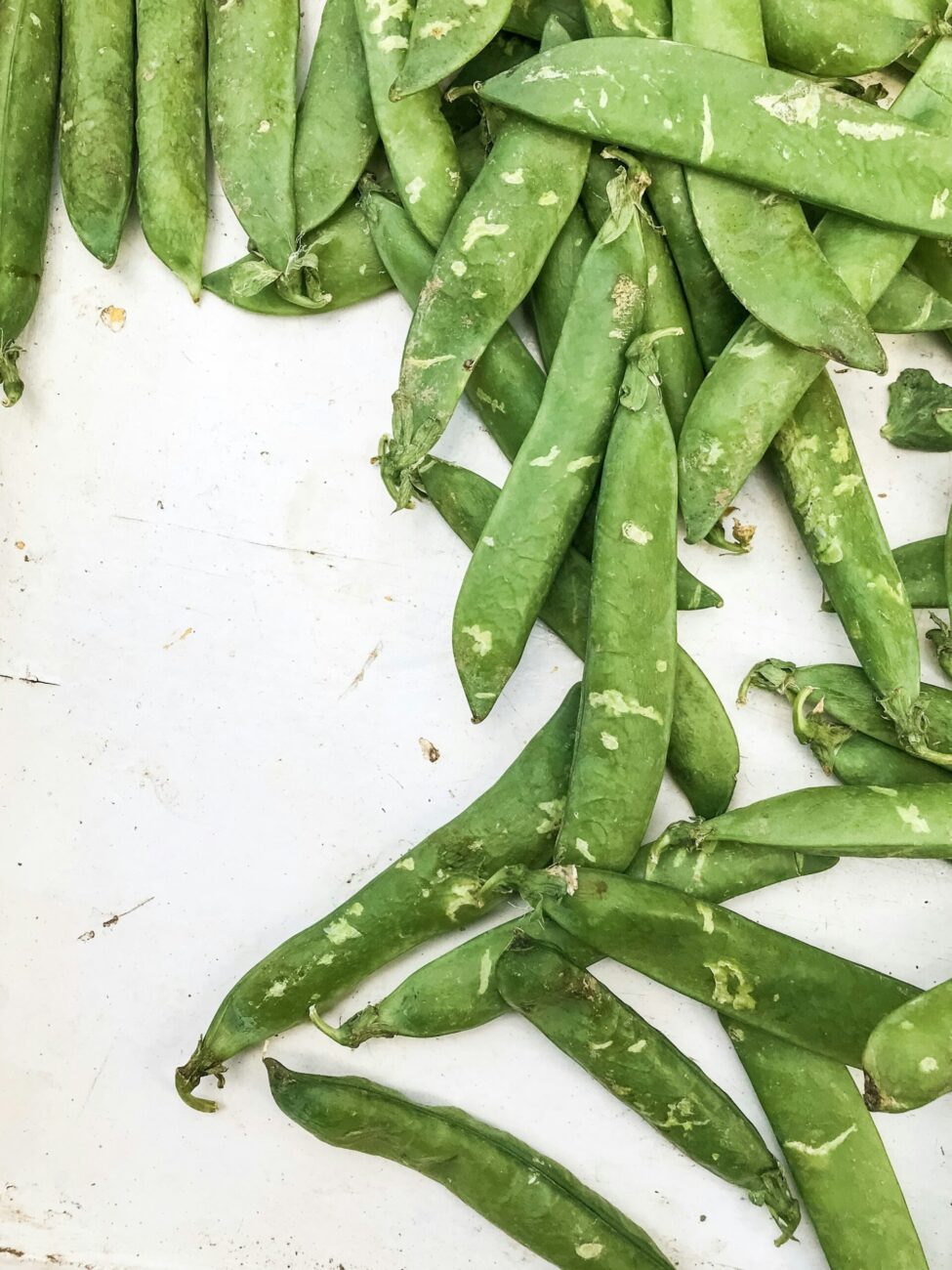
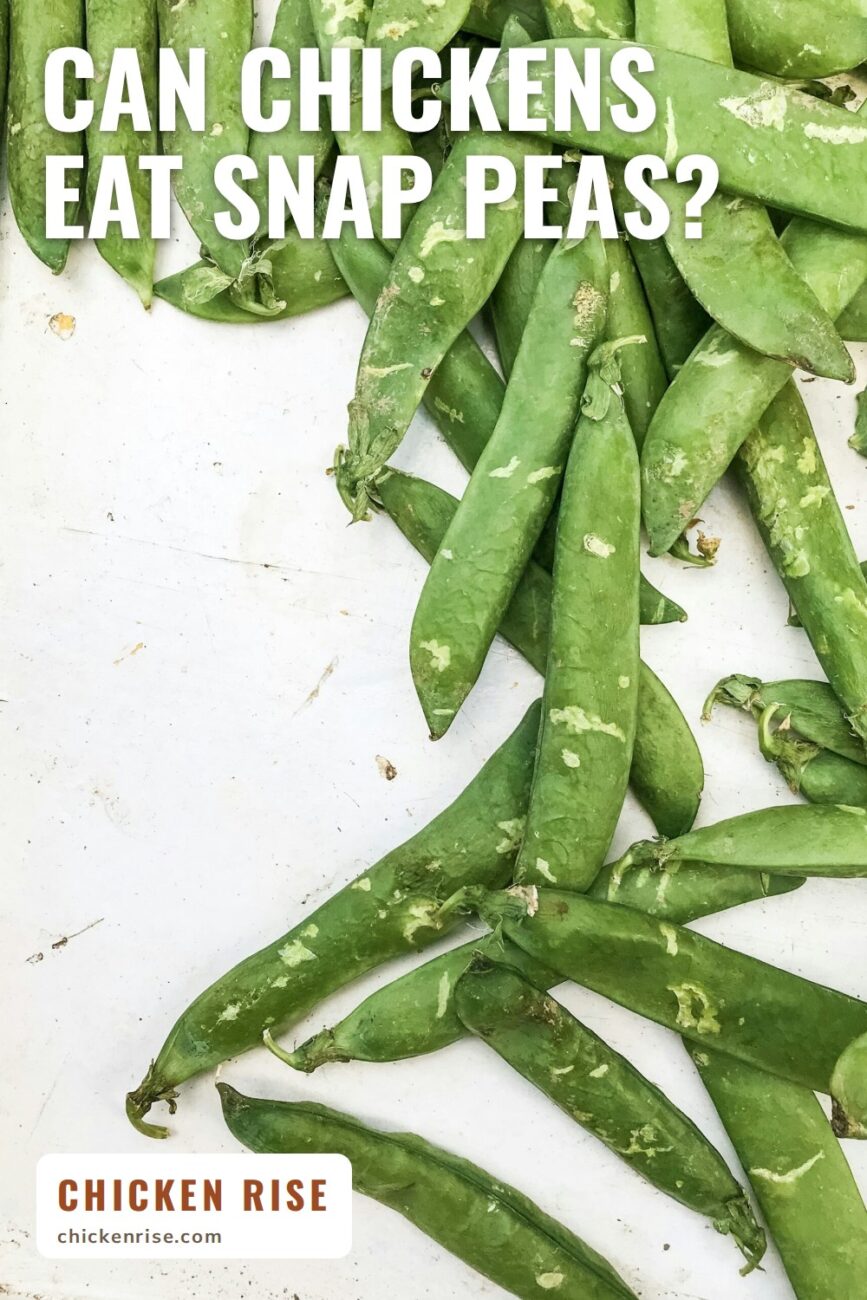
Yes, chickens can eat snap peas. Pod and all, raw is fine. You don’t have to shell them and you don’t have to cook them.
What you do need to watch is how many, and what’s on them. A snap pea out of the garden or out of a produce bag is one thing. A snap pea out of last night’s stir-fry, slick with soy sauce and oil, is something else. And the sweet peas climbing your neighbor’s fence aren’t the same plant at all.
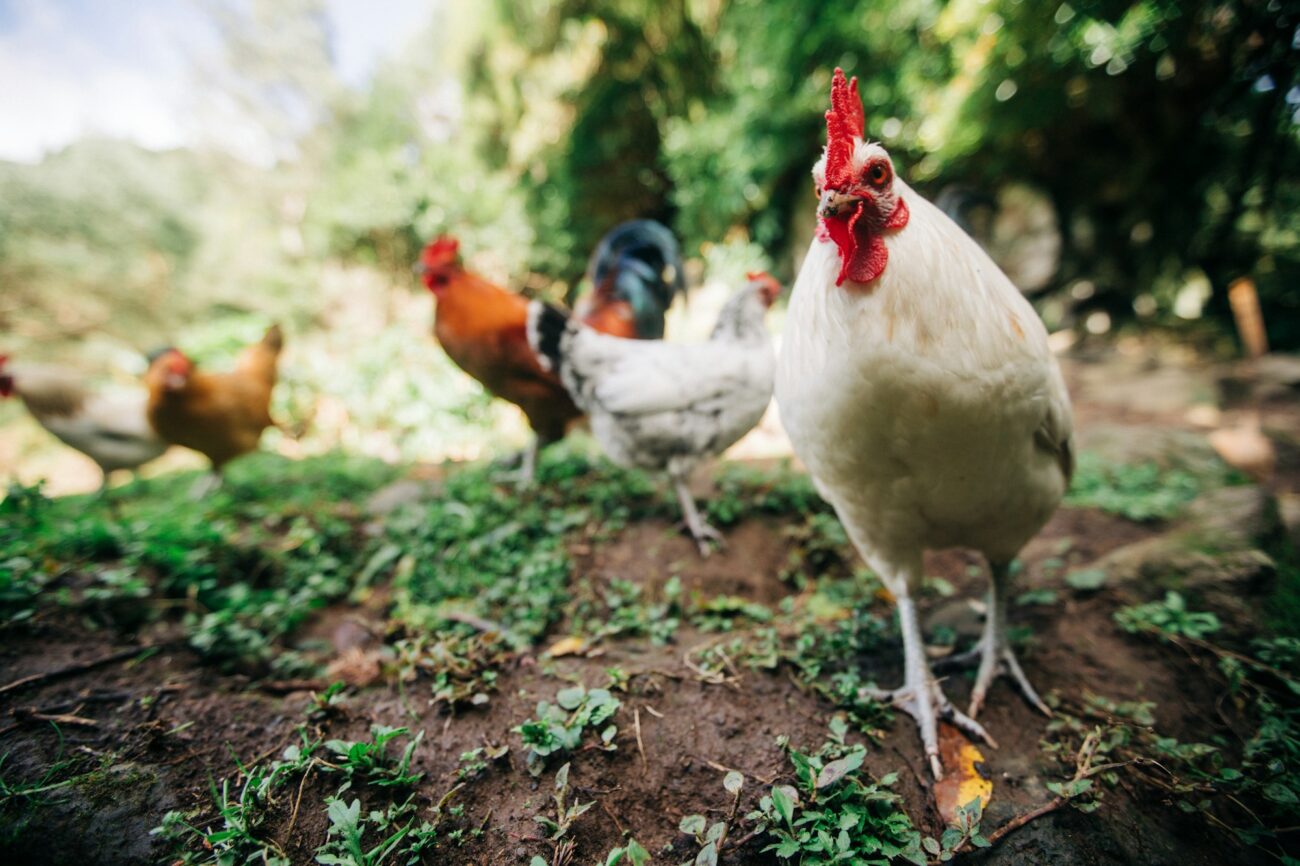
I’ve kept chickens for eight years. Right now it’s 12 hens and one rooster who thinks he runs the place. Every spring I put in a row of snap peas along the outside of the run fence, mostly because I like eating them right off the vine. My birds have opinions about that row. So what follows is what I do with my own flock, plus what the USDA and Purina say, along with the University of Kentucky’s extension service. I’ll tell you which is which.
Snap Peas and Snow Peas Come From the Same Plant
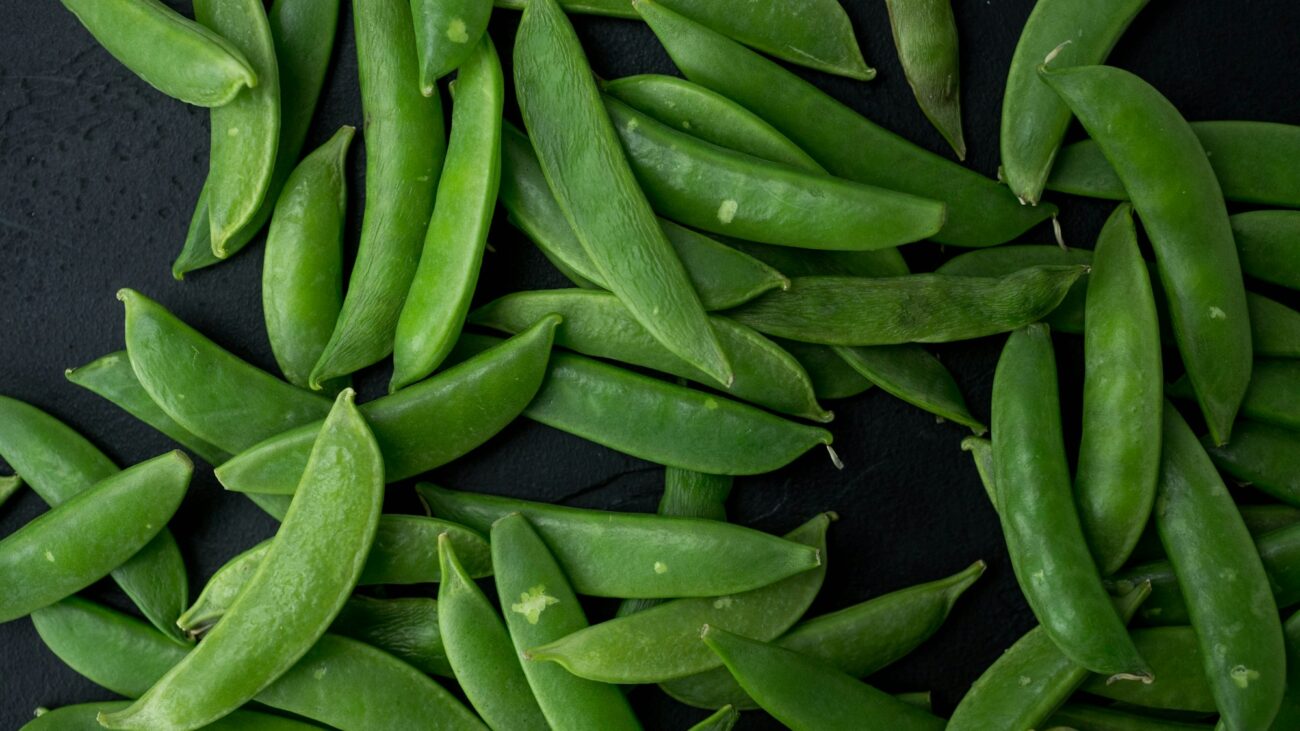
Snap peas are garden peas, Pisum sativum, the same species as the peas you shell and the peas in the freezer bag. What’s different is the pod. A snow pea has a flat, thin-walled pod you eat before the peas inside fill out. A shelling pea has a tough pod you throw away. A snap pea sits in between, with a round, thick-walled pod that stays crisp and sweet even once the peas inside get fat.
They’re newer than most people think. According to Wikipedia’s history of the snap pea, a plant breeder named Calvin Lamborn crossed a snow pea with an odd shelling pea mutant that Dr. M.C. Parker had found back in 1952. That work happened in Twin Falls, Idaho. The variety that came out of it, Sugar Snap, was released in 1979.
For your hens, none of that matters much. A pea is a pea to a chicken. If you’ve read our post on feeding chickens frozen peas, everything it says about the peas themselves holds here too. The pod is the new part, and the pod is mostly water.
What’s Inside a Snap Pea Pod
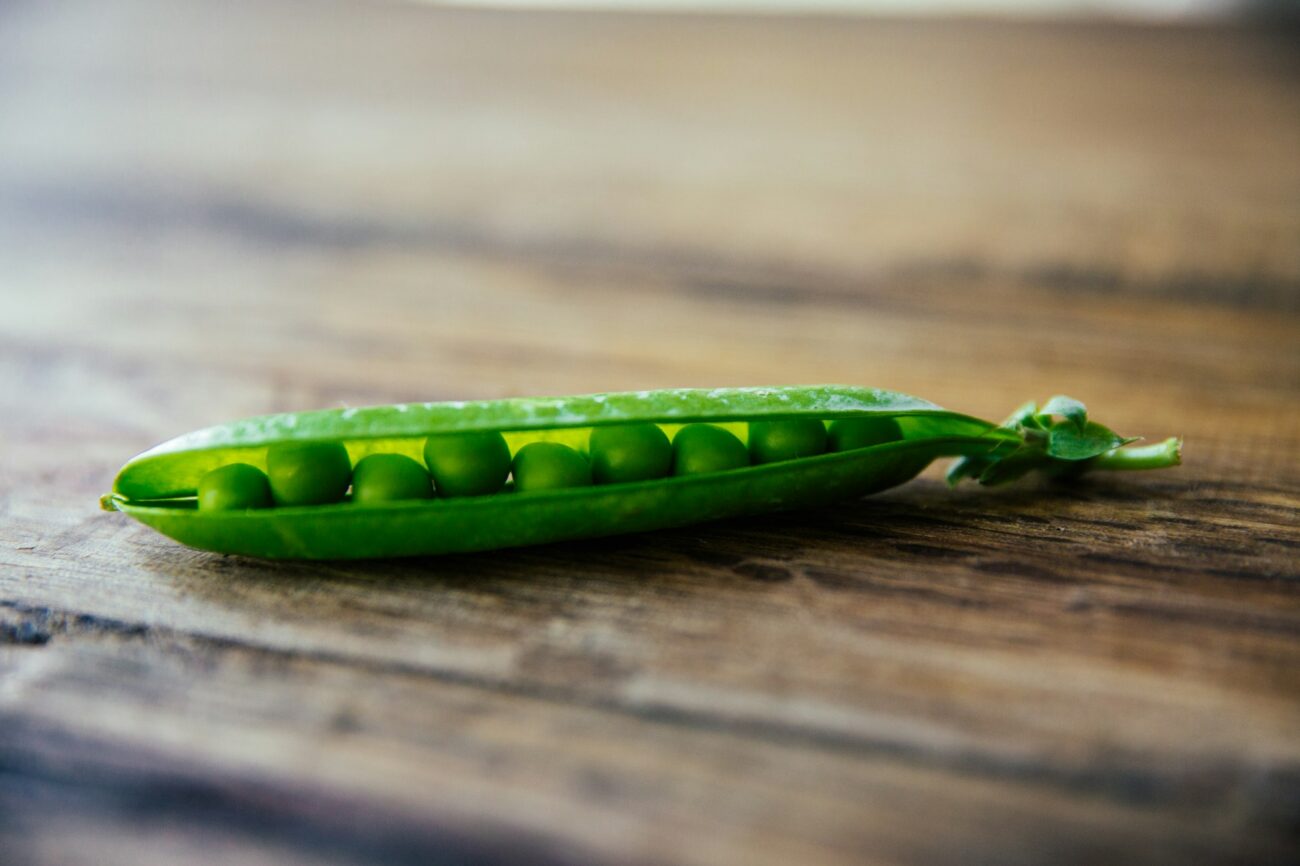
USDA’s FoodData Central has an entry for raw edible-podded peas, which covers snap peas and snow peas both. Per 100 grams, it lists 88.89 grams of water, so call it 89 percent. Those same 100 grams carry 42 calories, 2.8 grams of protein and 2.6 grams of fiber.
There’s some other good stuff in there. The same entry lists 60 milligrams of vitamin C per 100 grams, 25 micrograms of vitamin K and 43 milligrams of calcium. That’s nice to know. It doesn’t change how I feed them.
I tell people at the feed store the same thing every spring. A pod at under 3 percent protein is a snack, not a meal. It’s crunchy and wet and my hens love it, but the layer feed in the hopper is what’s built to keep them laying through the year. A treat that fills a hen up crowds out the feed that actually does the work. Dried peas are a whole different food from a fresh pod, and our post on dried peas and lentils for chickens covers those.
How Many Pods I Give Each Hen
Snap peas are a treat, and treats come out of a small share. Purina calls it the 90/10 rule, 90 percent complete layer feed and 10 percent treats. Purina also says a hen eats about a quarter pound of complete feed a day, roughly half a cup, and that her treats shouldn’t go past 2 tablespoons.
USDA weighs 10 pea pods at 34 grams, so one pod comes out to about 3.4 grams. It also puts a cup of chopped pods at 98 grams, which makes 2 tablespoons about 12 grams. By my math, that’s 3 or 4 pods a hen a day, and that’s her whole treat allowance, not just the peas. Our frozen peas post landed on 10 to 15 grams of treats a hen using two other extension services’ numbers, so we’re in the same ballpark either way.
In my run, 12 hens plus the rooster at 3 pods each comes to around 40 pods. Chopped up, that’s a little over a cup. It sounds like a lot when you’re standing at the cutting board. It disappears in about a minute.
On a day they’ve already had scratch or kitchen scraps, the peas wait for tomorrow. Treats add up faster than you think, especially in winter when I’m tempted to spoil them because they’re cooped up more.
I scatter the pieces across the run instead of dumping them in one spot. Pile them up and the two bossiest hens eat most of it while the low hen on the pecking order stands at the edge. Spread out, even she gets a pod or two.
Serve Them Raw and Plain
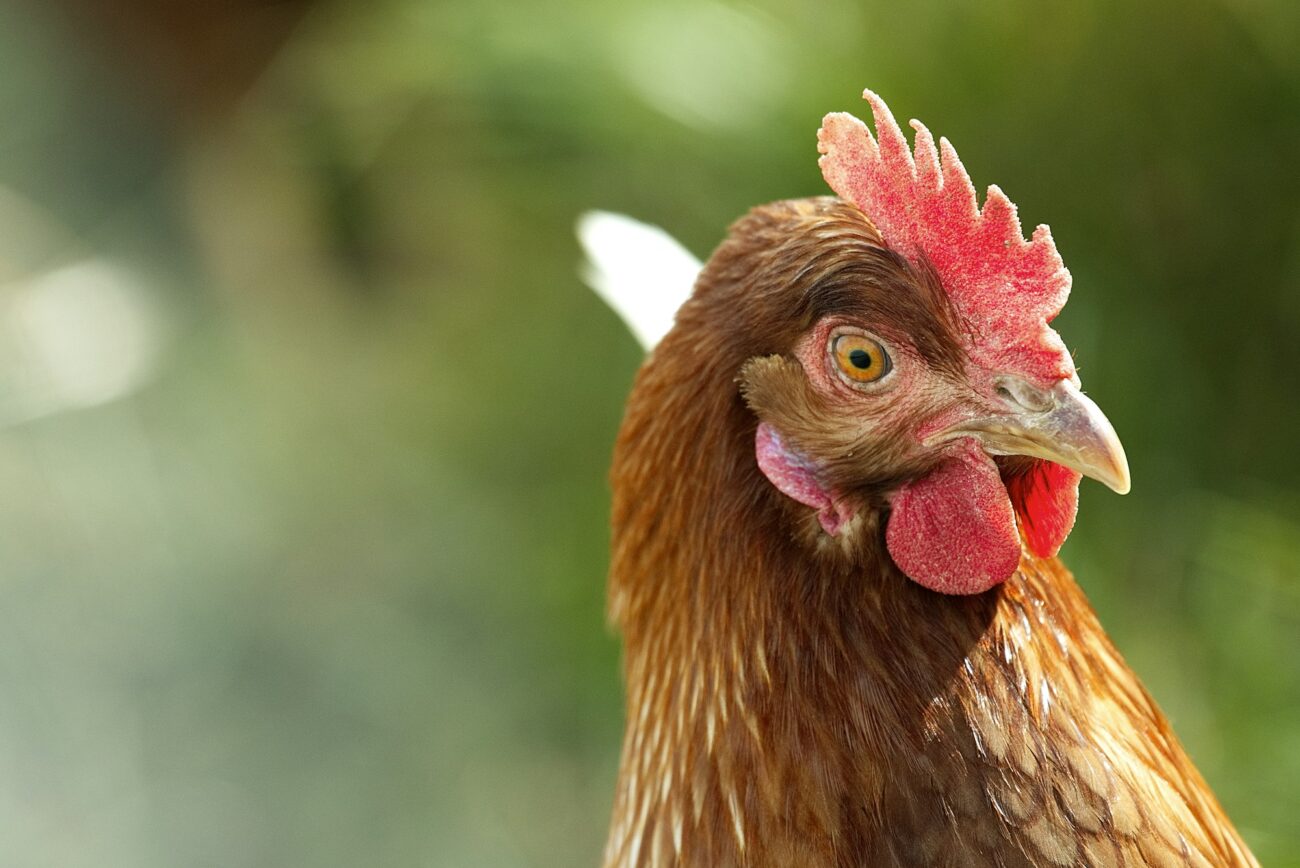
I rinse the pods and feed them raw. A hen’s beak tears a crisp pod open without any help, and my big girls will grab a whole one and sprint off like they stole it. For bantams or young birds, I chop the pods into pieces about the size of my thumbnail. Chopping also spreads a small amount over more beaks, which helps the slower hens.
Cooked is fine too if it’s plain. When I’ve steamed a pot of pods for dinner with nothing on them, the extras go out once they’ve cooled down. Anything with butter or sauce on it stays in the kitchen.
A few things never make it to the run:
- Stir-fry or salad leftovers. Butter, soy sauce and salty dressing don’t belong in a chicken, and Purina’s treat list says to stay away from very salty foods.
- Slimy or moldy pods from the back of the fridge. Purina says no moldy or rotten food, period. A pod that’s gone soft and spotty goes in the trash.
- Long, tough strings. University of Kentucky’s guide says some snap pea varieties have a string you should remove, and Wikipedia notes mature pods may need stringing. I pull them for my own plate anyway, so they don’t go to the hens either.
If you want the bigger list of what stays out of the run, our post on what you shouldn’t feed chickens goes through it food by food.
Tough Pods and Spent Vines at the End of the Season
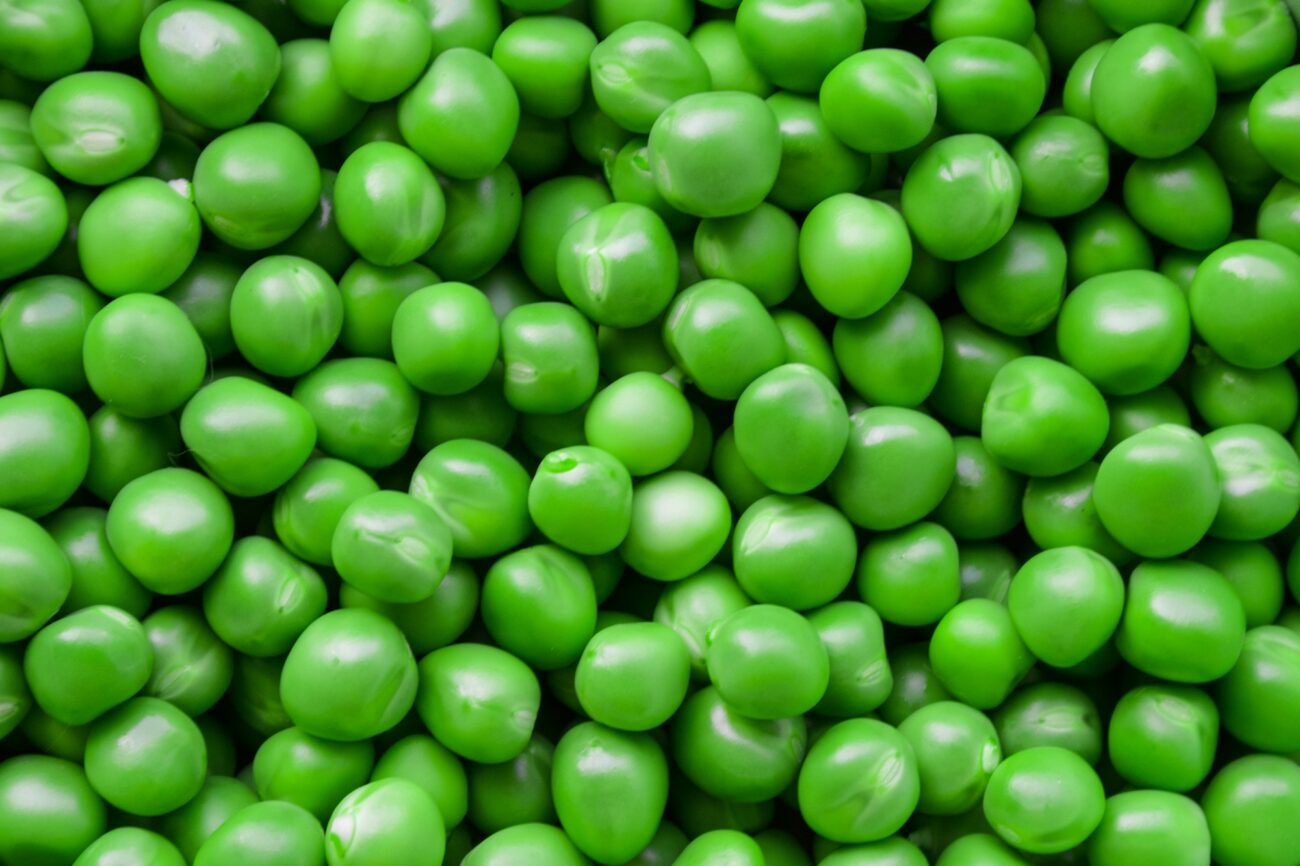
Snap peas don’t like heat. Kentucky’s guide calls peas a cool-weather crop that can survive some frost, and says they stop flowering once it gets above 85°F. By the time summer settles in, my row is about done, and the last pods have usually gotten fat and tough.
The guide says to pick snap peas when the pods look almost full, checking every 2 or 3 days, and that once a pod gets tough you can shell it and eat the peas like regular peas. That’s exactly what happens to my stragglers. I shell the tough ones, keep the best peas for us and toss the rest to the flock, inside that same treat allowance. Shelled peas are easy for a hen. They roll around, the birds chase them, and everybody’s happy for five minutes.
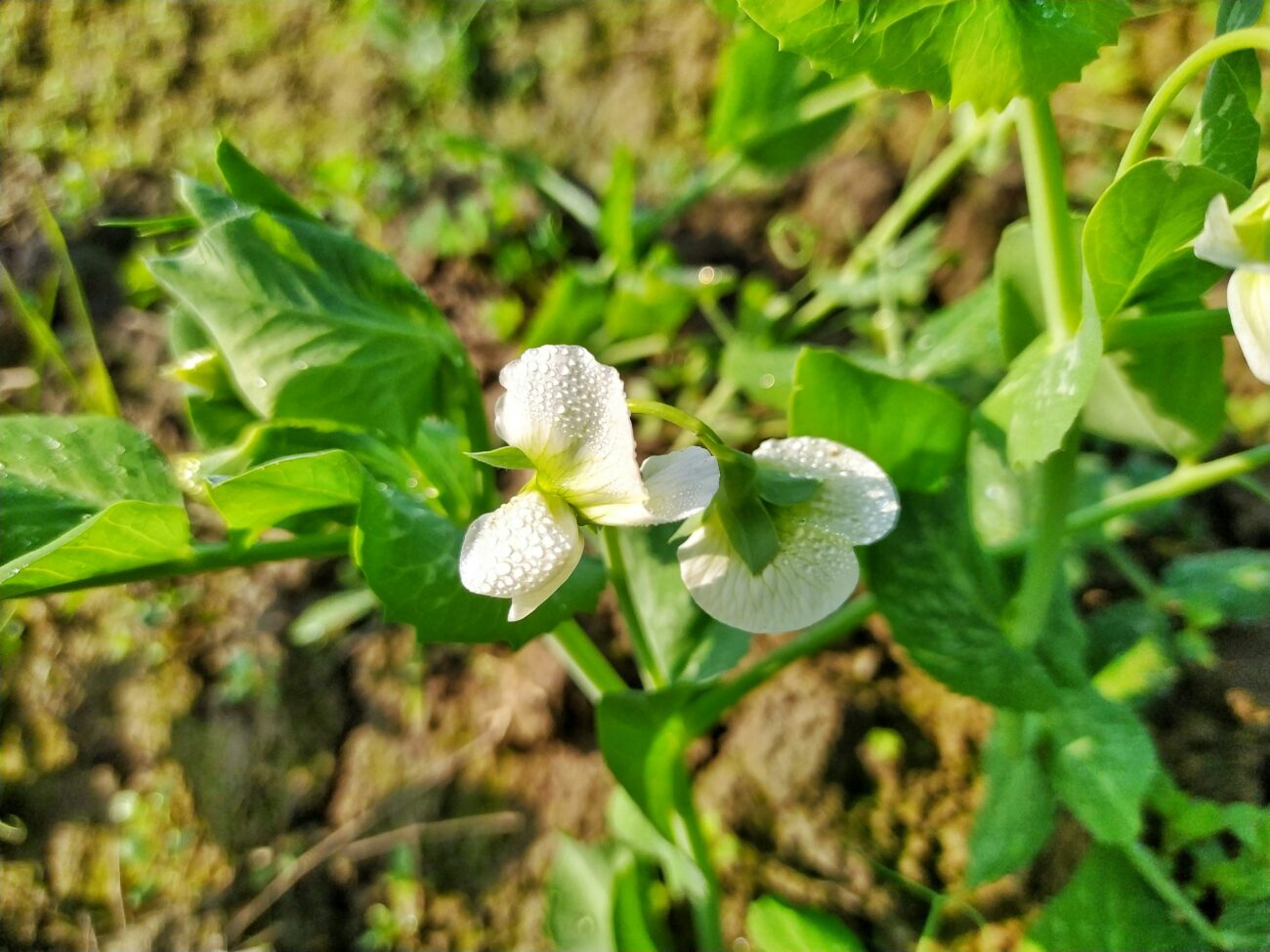
Then there’s the vine. Kentucky says to pull the plants once they stop producing and turn brown, put the healthy ones in the compost and throw away any that are diseased. The guide also warns that powdery mildew shows up on late peas, which is that white, dusty film on the leaves.
I follow that line for the run too. Green, clean vines can go over the fence, where the hens pick at the leaves for an afternoon. Anything with white powder on it, or anything that’s gone slimy, goes in the trash bag, not the compost and not the run. Pea vines are the same plant cattle growers cut for hay, and North Dakota State’s extension has fed field pea hay to beef heifers. Nobody I read has tested hens on the vines. I said the same in the frozen peas post. That part is my experience, not a study.
Sweet Peas Are Not Snap Peas
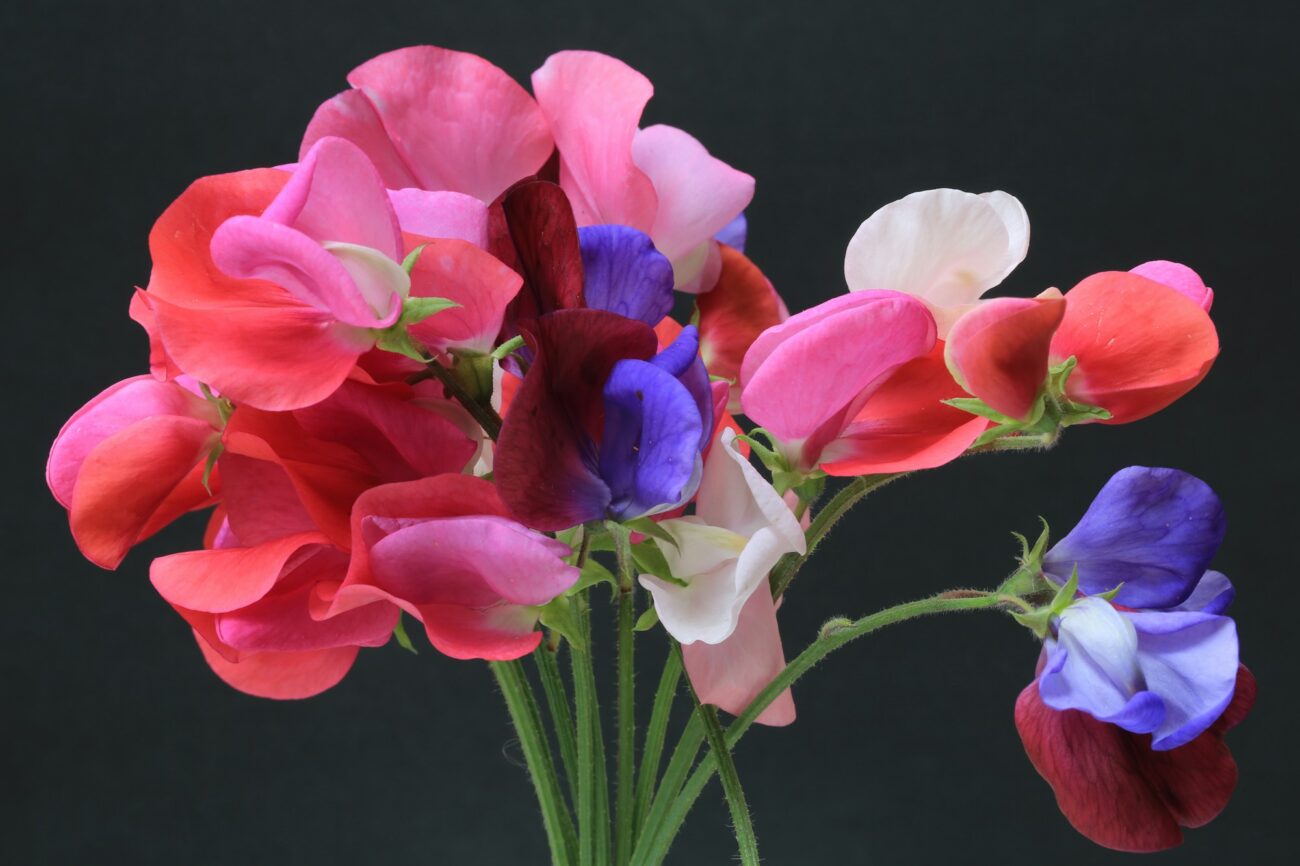
This is the one that worries me. The sweet pea that people grow for cut flowers, the frilly pink and purple ones with the strong smell, is Lathyrus odoratus. It’s a different plant in a different genus. It just shares the word “pea.”
Its seeds are the problem. Wikipedia says sweet pea seeds contain beta-aminopropionitrile, a compound that keeps collagen from cross-linking the way it should, and it’s tied to a disease called lathyrism. Massey University’s poisonous plants database lists sweet pea seeds as toxic. It names cattle and sheep among the animals affected, along with dogs and horses, and says horses are especially sensitive. Chickens aren’t on that list. That doesn’t mean they’re safe. It means nobody wrote them down.
So I keep it simple. Sweet peas don’t get planted anywhere my birds can reach, and I never toss their seed pods into the run. If there’s a pea-looking vine on your fence and you don’t know which one it is, keep the hens off it until you find out. The frozen peas post has more on the perennial sweet pea, Lathyrus latifolius, and what the ASPCA says about it.
Keep the Flock Out of the Pea Patch
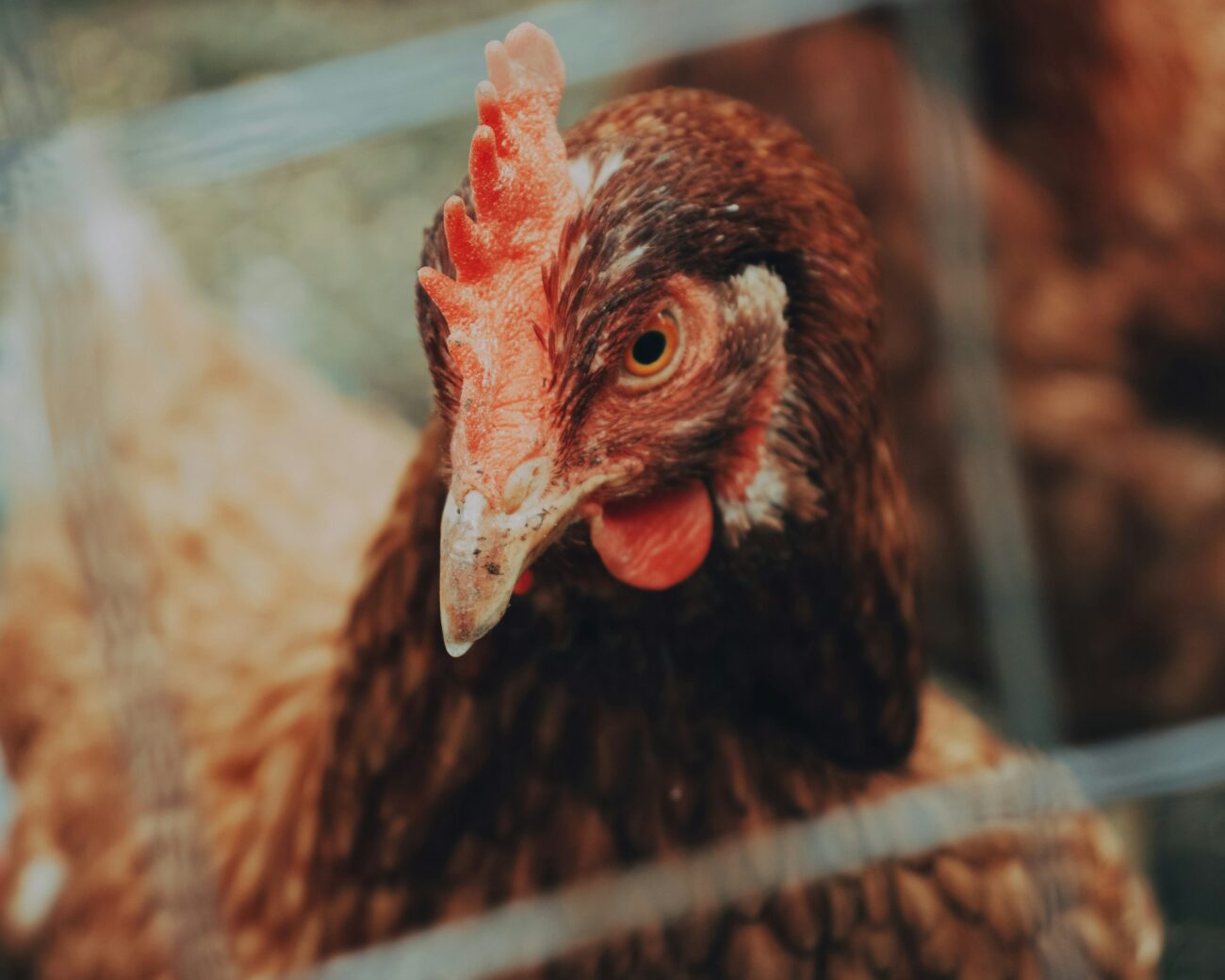
Your chickens will eat your snap peas long before you do. Young pea shoots are soft and green and sitting right at beak height. The first spring I grew peas next to the run, my hens pulled every shoot that poked through the wire inside a week. I replanted, and I changed a few things.
- The row now sits a good 2 feet outside the run fence, and that side of the fence has chicken wire up to about 3 feet, so no beak reaches through.
- I grow a tall variety on a trellis. Kentucky’s guide lists Sugar Snap at about 60 inches and Sugar Ann at about 20, and the tall one keeps the pods up where a hen can’t stretch to them.
- Free-range time stops when the pods start filling. My birds get the run, not the garden, until the vines come out.
- I pick every couple of days, like the guide says, and whatever I missed goes to the hens as that day’s treat.
Kentucky figures about 2 pounds of peas from a 10-foot row. Mine is a little longer than that. Between my family and the flock, the only thing that ends up in the compost is the vine.
The fence pulls double duty, by the way. The same wire that keeps the hens out of the peas keeps the rabbits off the young shoots. Raccoons are a different story, and keeping them out is the coop’s job, not the garden fence’s.
So yes, snap peas make a good treat. Feed them raw or plain cooked, 3 or 4 pods a hen on a day she isn’t getting other extras, and keep your birds well away from the sweet peas.
Sources checked October 29, 2026: USDA FoodData Central (peas, edible-podded, raw); Purina Animal Nutrition on treats and the 90/10 rule; University of Kentucky Cooperative Extension, “Growing Your Own: Peas”; Massey University’s poisonous plants database on sweet pea; North Dakota State University on field pea hay; Wikipedia on the snap pea and the sweet pea. The pods and grams per hen are my math from their numbers. We aren’t vets. If a hen looks sick, call a vet who sees poultry.