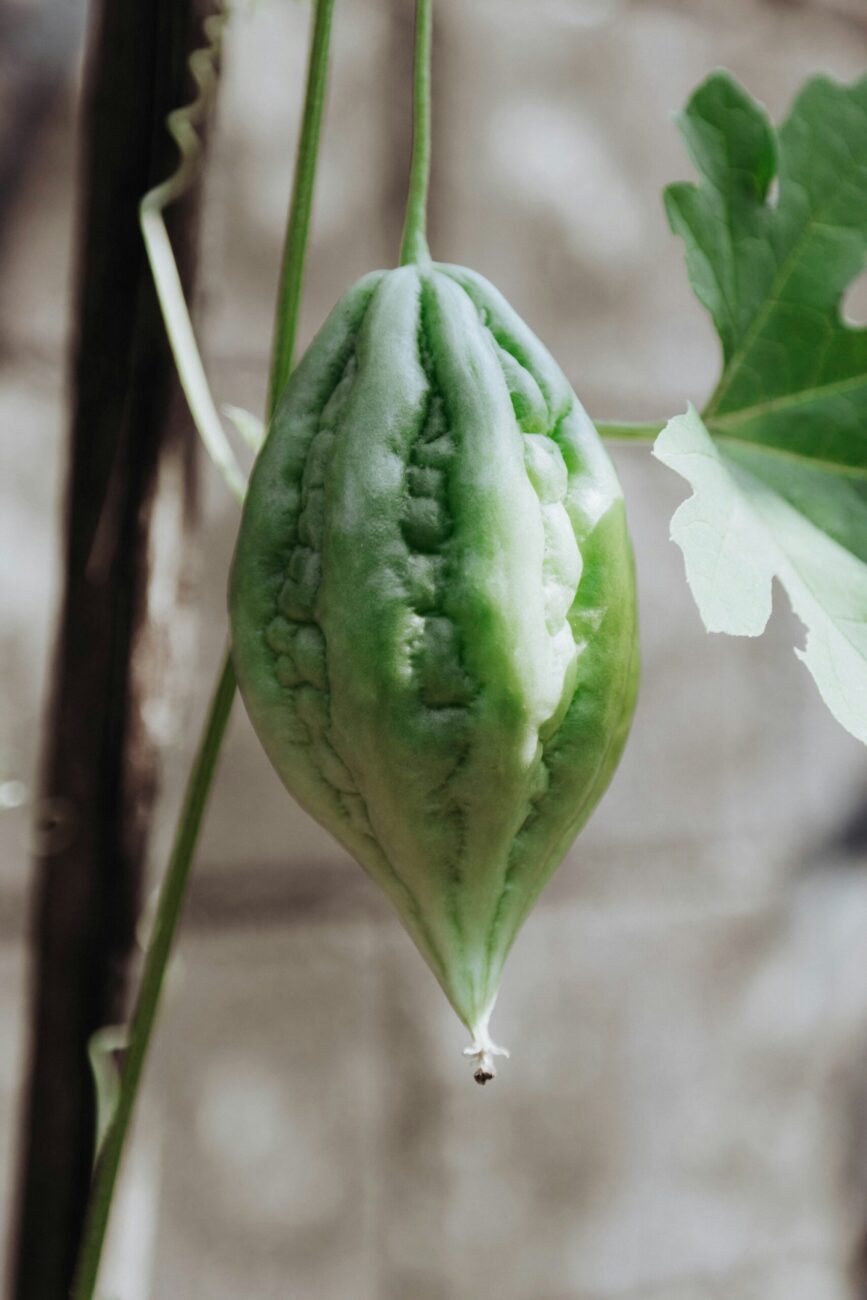
Food
Can Chickens Eat Bitter Melon? Yes, but Not the Seeds
Yes, chickens can eat bitter melon, but only some of it. The green fruit is fine as a small treat, and so are the leaves and…
Backyard flock keeping · 253 guides
Straight answers on feeding, breeds, coops and the strange things chickens do, with the dangerous ones said plainly.
Free tools
Free, no sign-up. Ranked by real visitors over the last 30 days.
Quick answers
Type what is in your hand. Every food we have looked into, with the honest answer — safe, fine in moderation, or keep it well away from them.
Nothing in the list matches that yet.
Search every page instead →The shelves
The whole site, in five shelves.
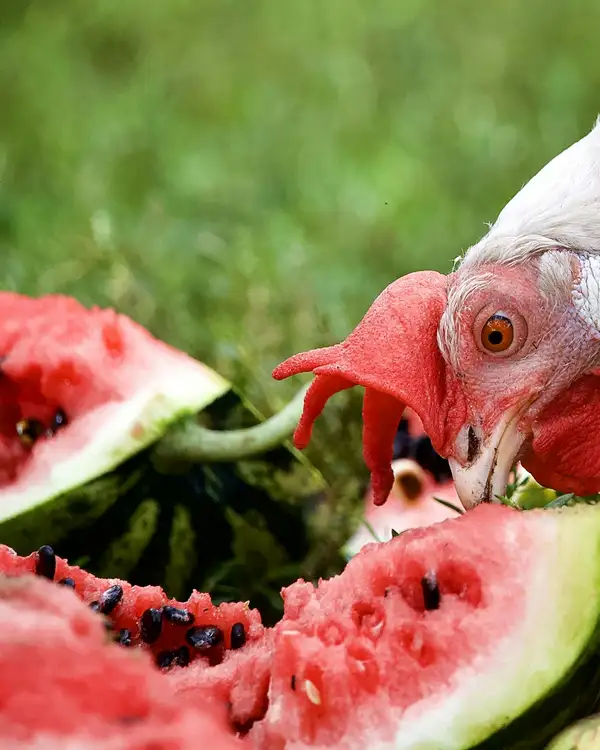 Can chickens eat…?180 feeding guides
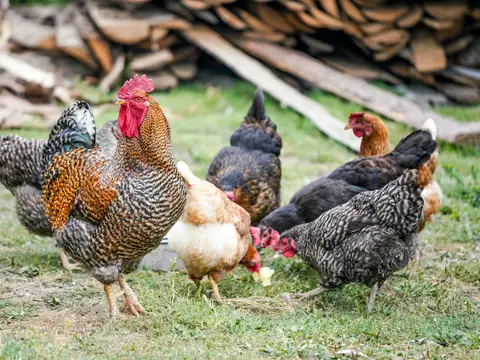 Breeds26 breed guides
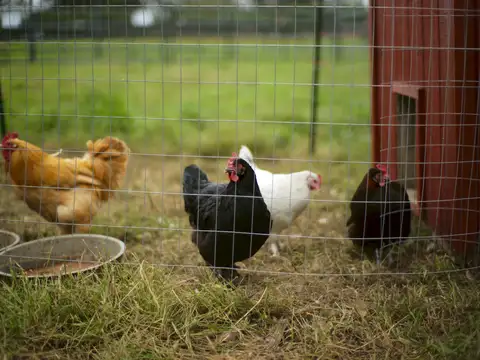 Coops & runs12 coop guides
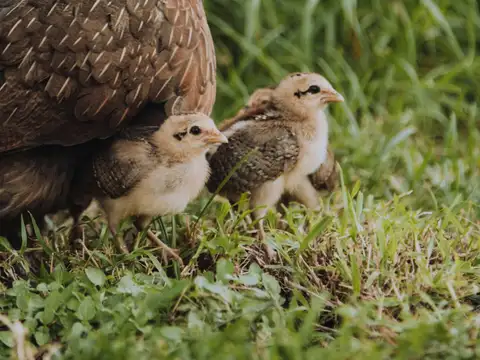 Raising chicks22 raising guides
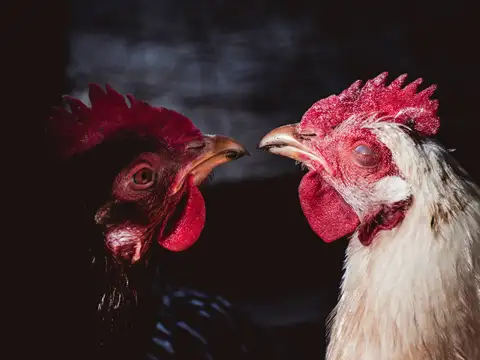 Odd behavior12 behavior guides
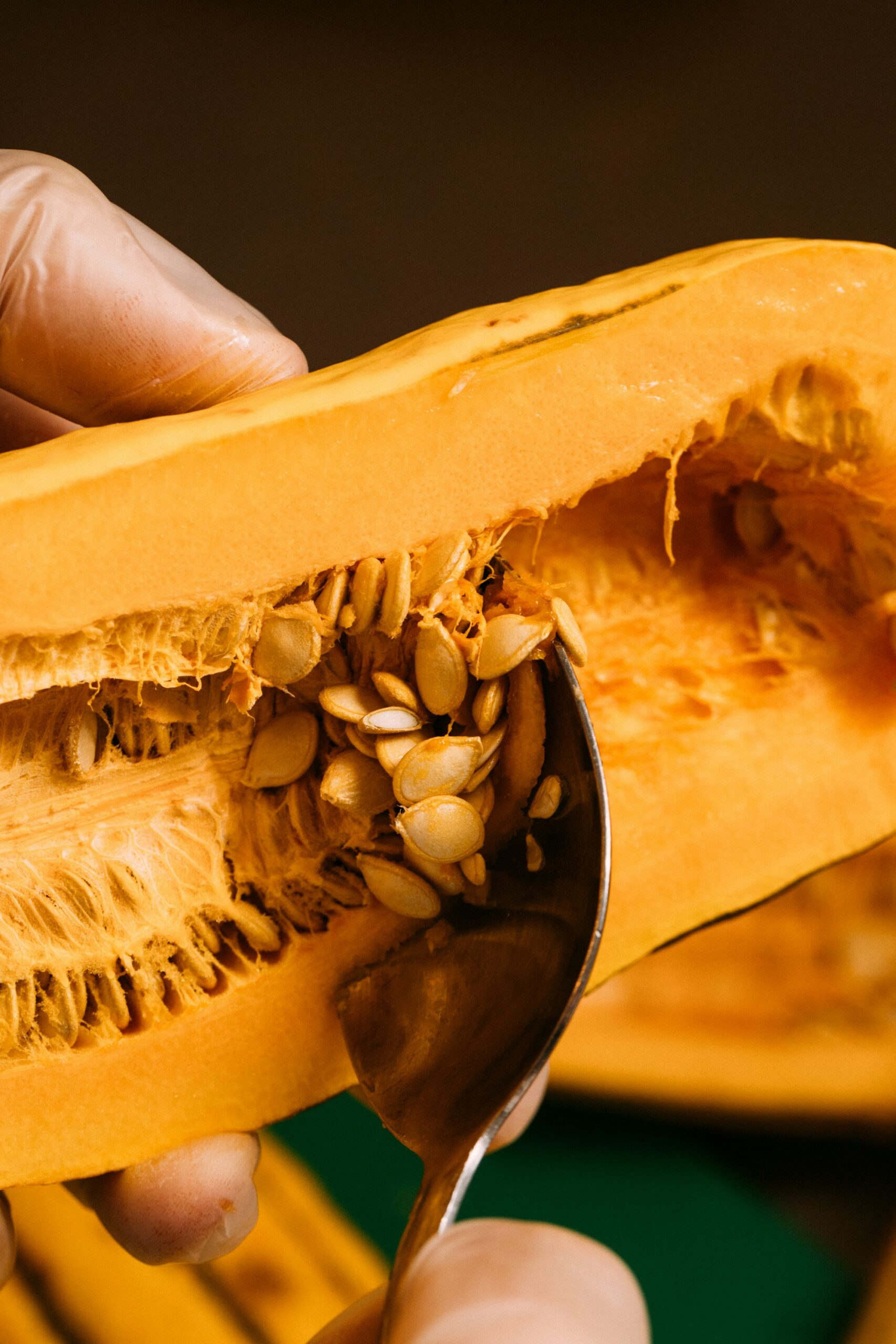
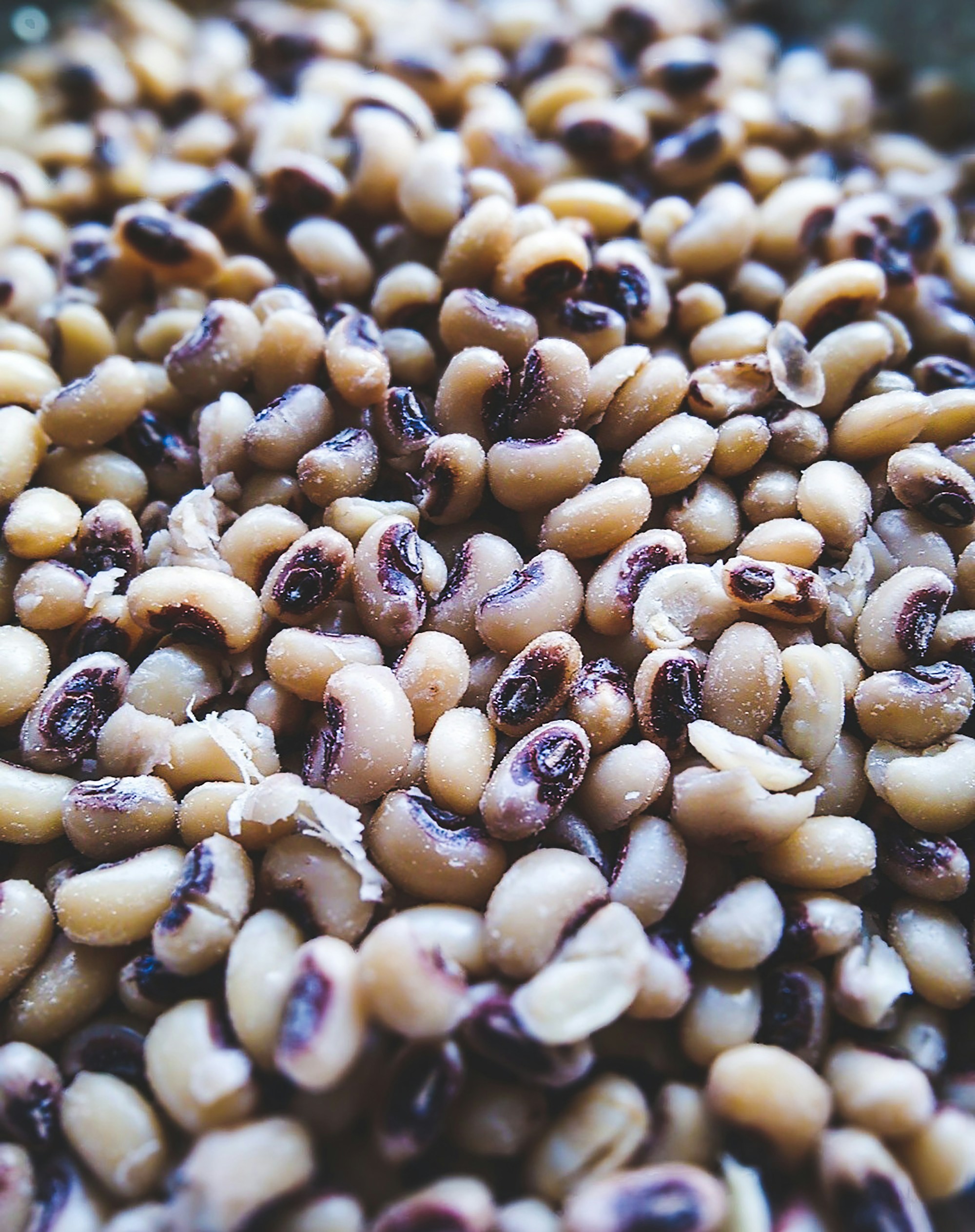
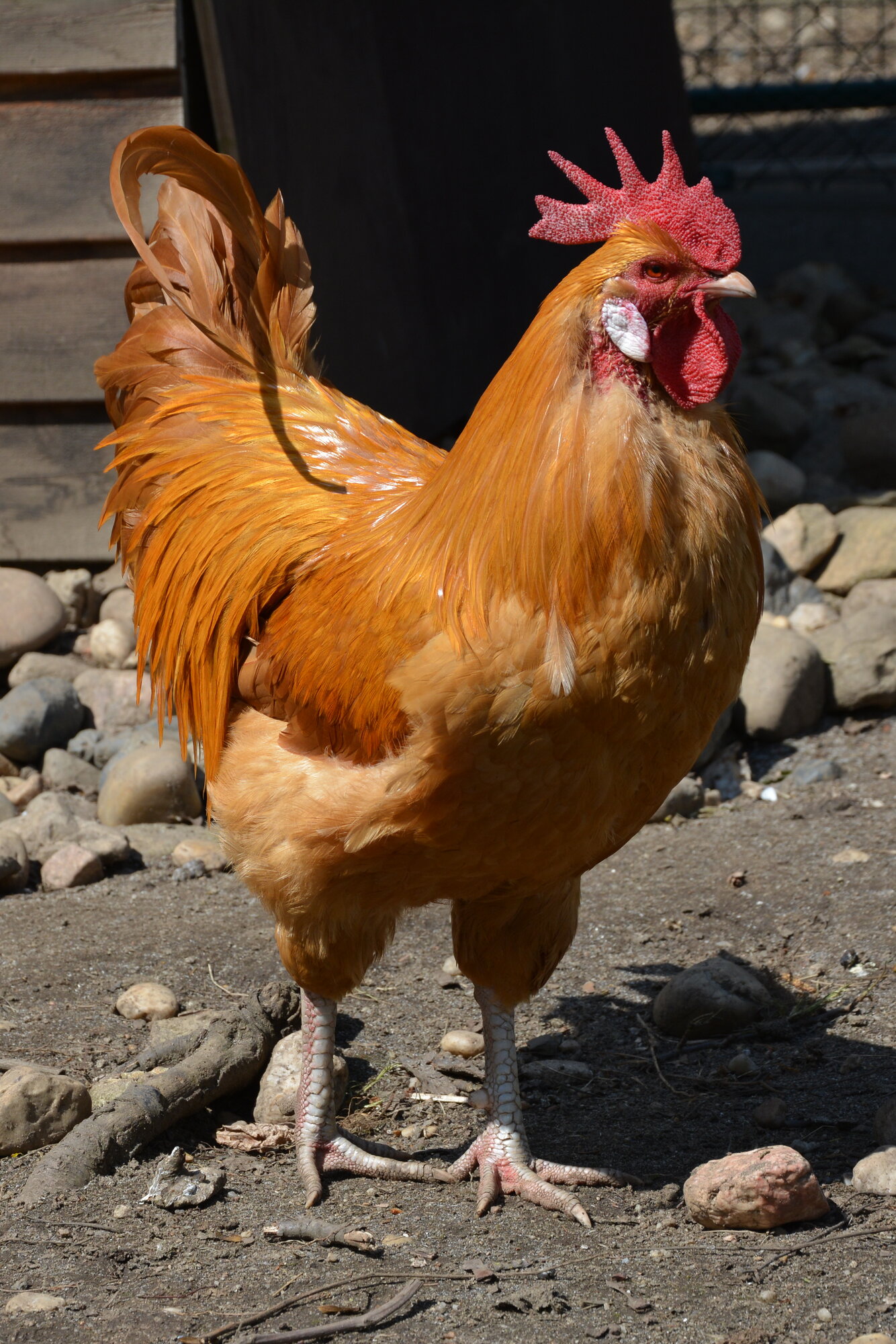
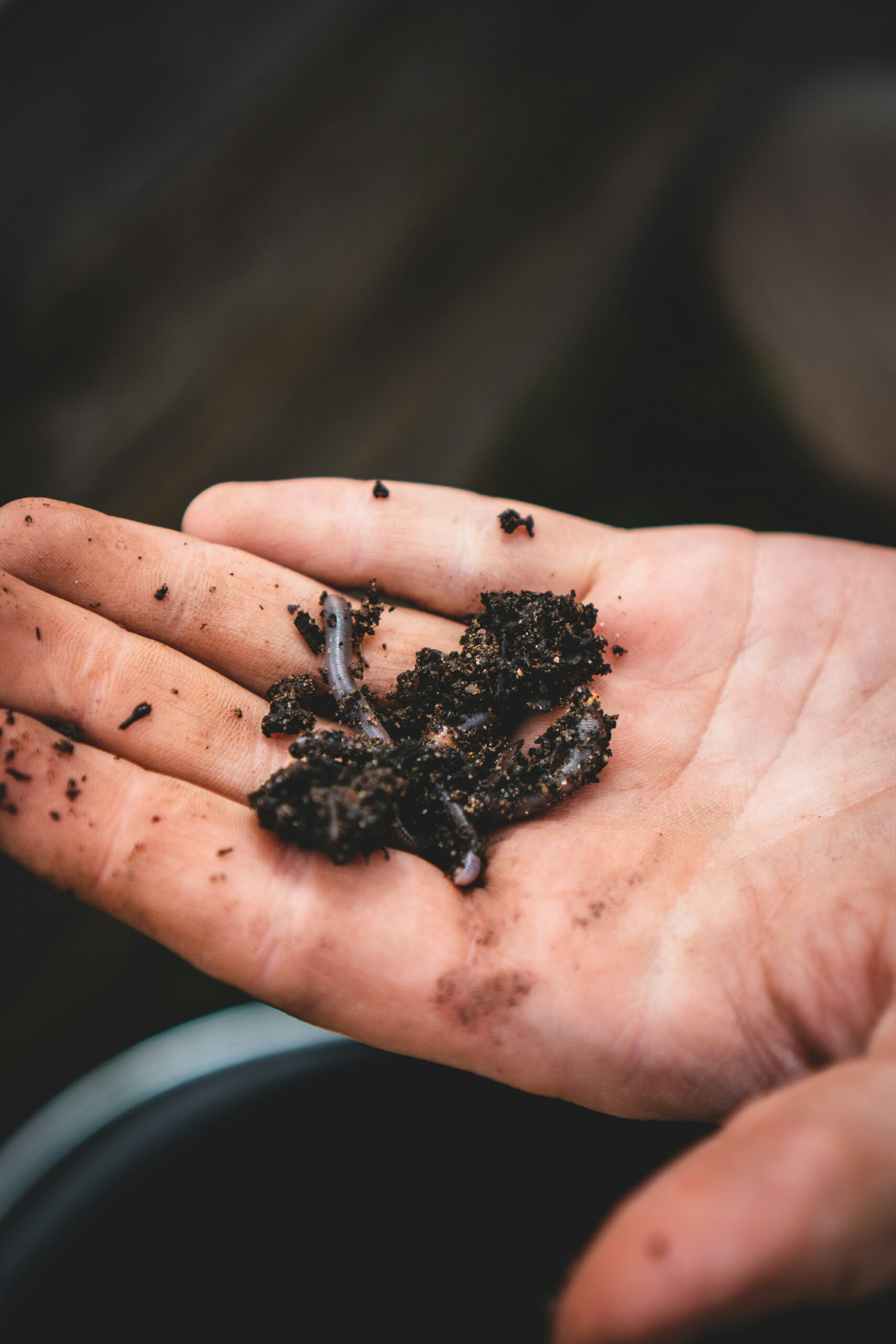
Photo by Andrey Tikhonovskiy on Unsplash · Photo by Zosia Szopka on Unsplash · Photo by Will H McMahan on Unsplash · Photo by Zane Persaud on Unsplash · Photo by Adam Nir on Unsplash
Fresh
Newest posts first.
Yes, chickens can eat bitter melon, but only some of it. The green fruit is fine as a small treat, and so are the leaves and…
How a guide is made
Feeding advice for chickens is full of confident nonsense copied from one blog to the next. This is the filter everything here goes through.
Toxic, or just untidy? Those get very different answers, and most lists online muddle them.
Almost nothing is poison in a peck and safe in a bucket. The dose is the whole answer.
Where a real source exists we follow it, and where one does not we say so instead of inventing confidence.
Veterinary sources, extension services or what keepers report. Each answer says which, because it matters.
The failure mode is usually the useful part — the mud, the rats, the hen who eats none of it.
Who writes it
Tanner Barnsley writes Chicken Rise's guides for people who keep a few hens in the back yard: what is safe to feed them and in what amount, which breed suits your climate and your patience, how to keep a coop dry and the rats out, and what the strange things chickens do actually mean.
When something is genuinely dangerous for chickens, the guide says so plainly and doesn't hedge it, because a hedge is what gets a bird killed. Where an answer comes from veterinary sources it says so, and where nobody has a good answer it says that too.
A note on our names: Chicken Rise is written by a small team under pen names, one name for each job, and Tanner Barnsley is the name on our chicken guides. We are not vets: if a bird is unwell, call an avian vet.