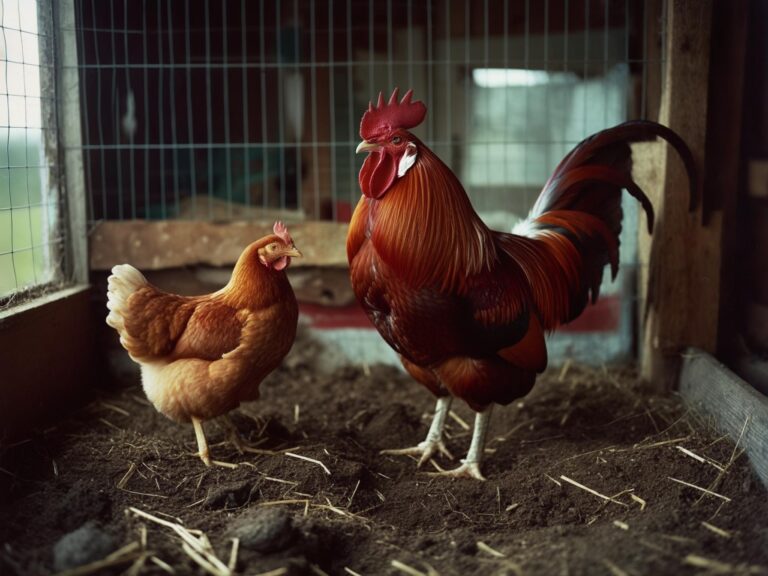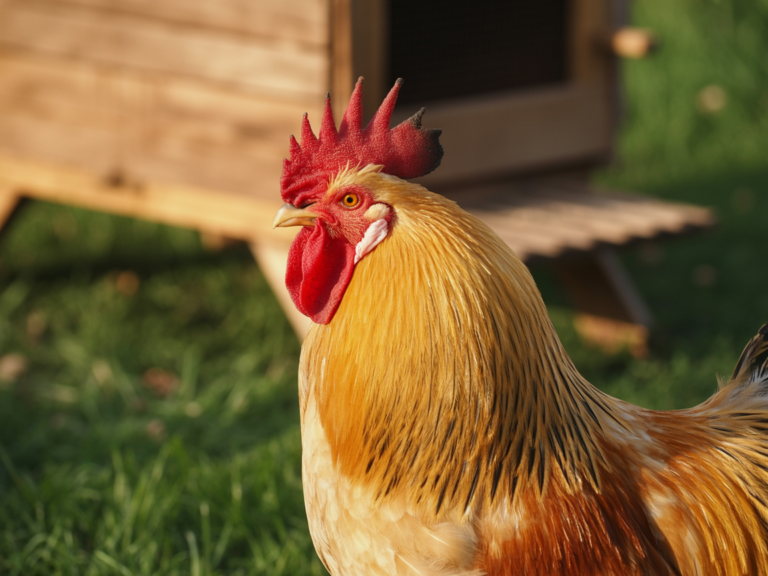
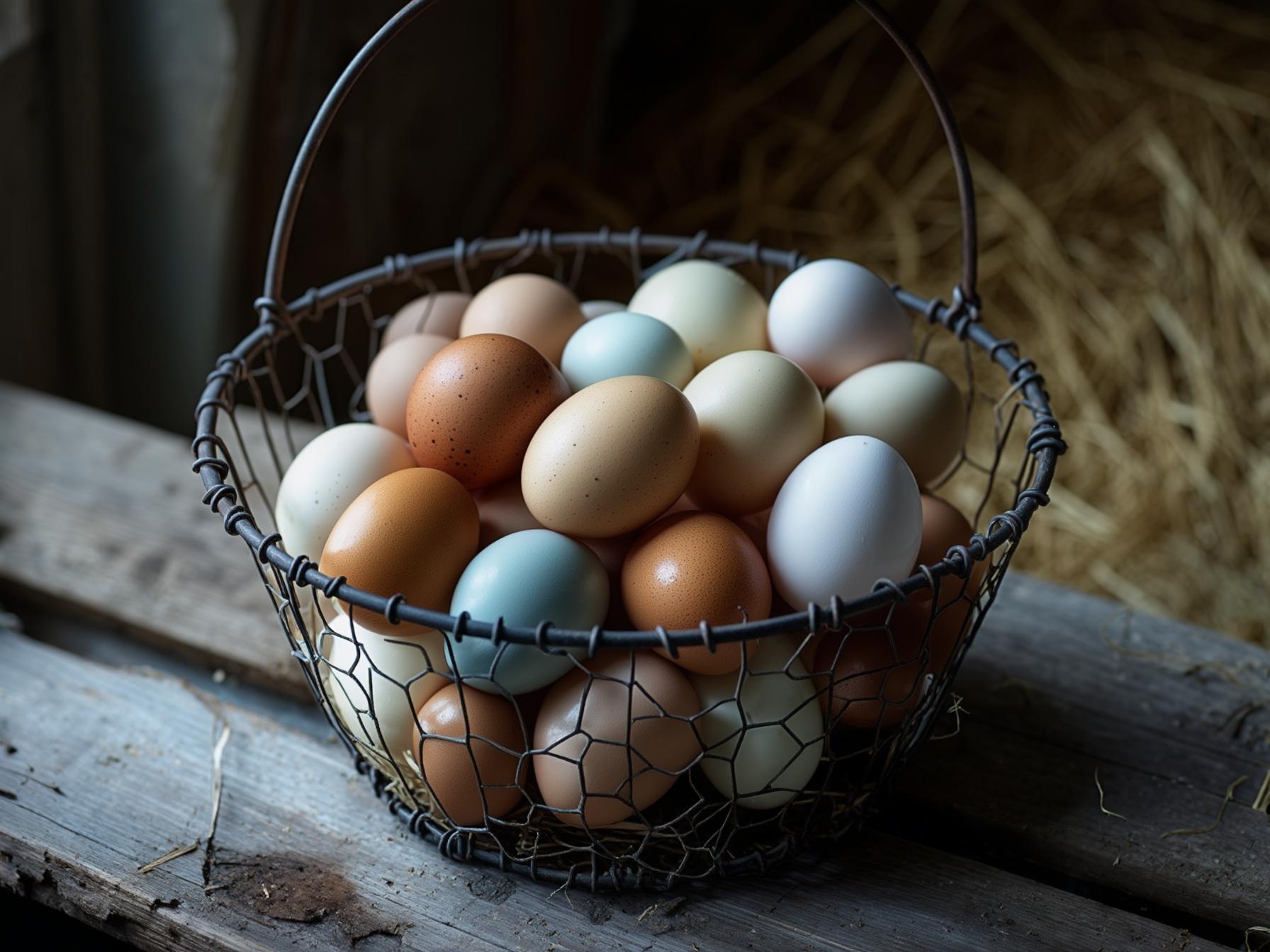
A mixed basket of eggs is why a lot of people get chickens. It’s a good reason. But shell colour is set by the breed, so you pick it when you buy chicks and not after. I keep 12 hens chosen for a mixed basket. Here’s what lays what, what it costs you in eggs, and the 1 thing I’d tell anyone chasing dark brown.
Shell colour is genetics, not feed
You can’t feed a hen into laying a different colour. It’s her breed. It doesn’t change.
Feed does change the yolk. Birds out on grass and bugs lay a deeper orange yolk than birds on pellets alone. That part is real, and you’ll see it in the pan.
The shell is fixed though. A brown-egg hen lays brown eggs on any diet you like.
So if you want colour, you choose it at the hatchery. Once.
Brown is where most people start
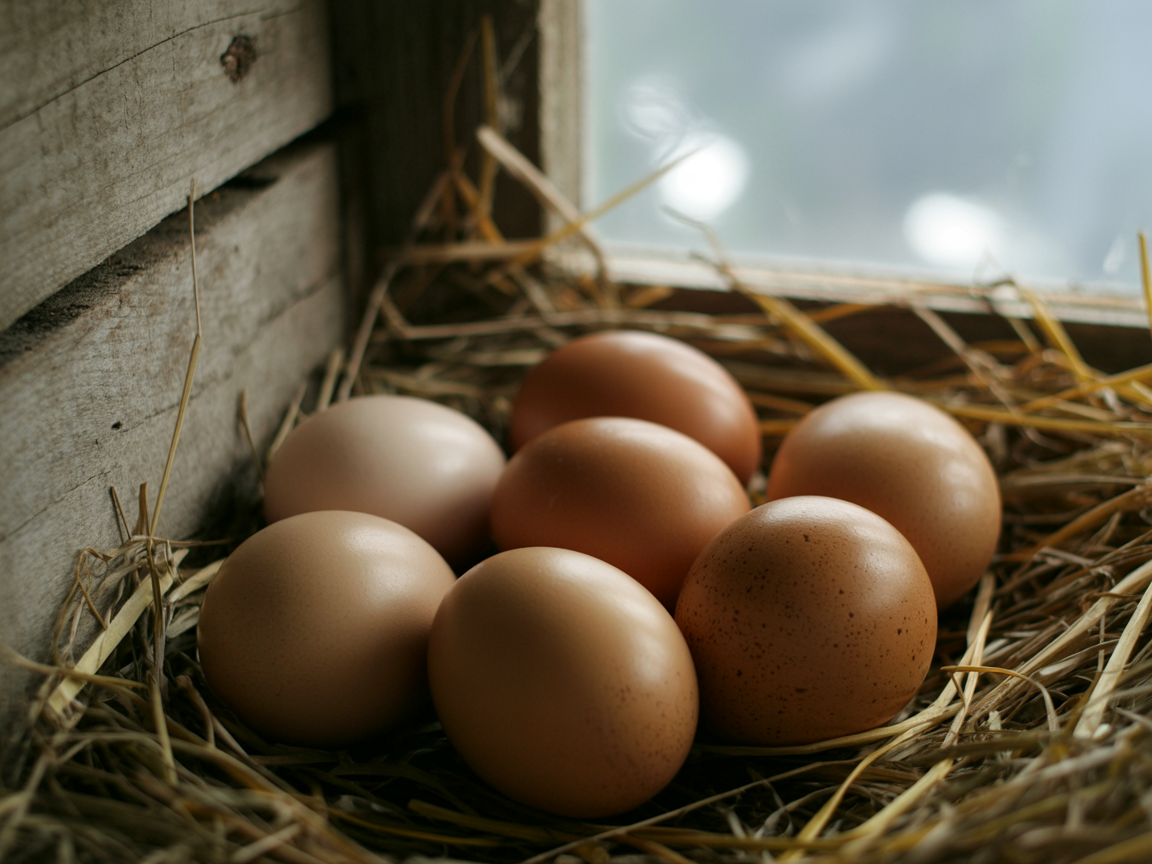
Rhode Island Reds. Australorps. Sussex, Orpingtons, sex links. These are the standard backyard birds and they all lay some shade of brown.
It’s where I’d point a beginner. They’re hardy, they’re calm enough to handle, and the good layers among them will give you 250 eggs a year or better.
The shade varies bird to bird. It also varies through the year for the same bird, deepest early in her cycle.
And no, a darker brown egg isn’t a better egg. It’s paint.
Blue goes all the way through
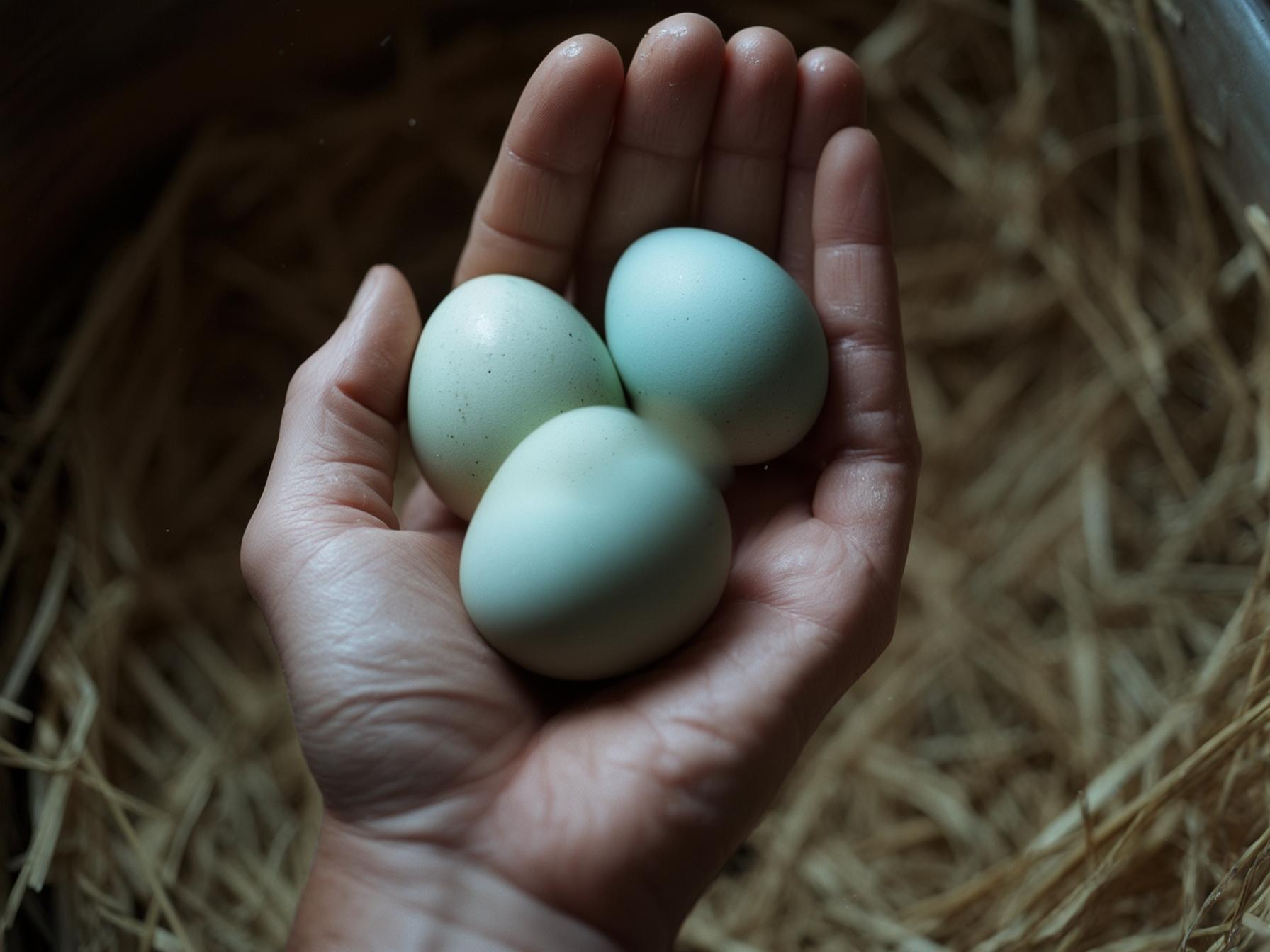
Blue is the interesting one. The pigment runs through the whole shell, so a blue egg is blue on the inside too.
Brown works the other way round. It goes on late and sits on the surface. That’s why you can scrub a brown egg lighter and you can’t touch a blue one.
Araucanas, Ameraucanas and Cream Legbars lay blue. Cream Legbars have a handy trick: you can tell the cockerels from the pullets at a day old by their markings.
You’ll get fewer eggs than from a production brown bird. That’s the trade you’re making.
Easter Eggers are a mix, and that’s fine
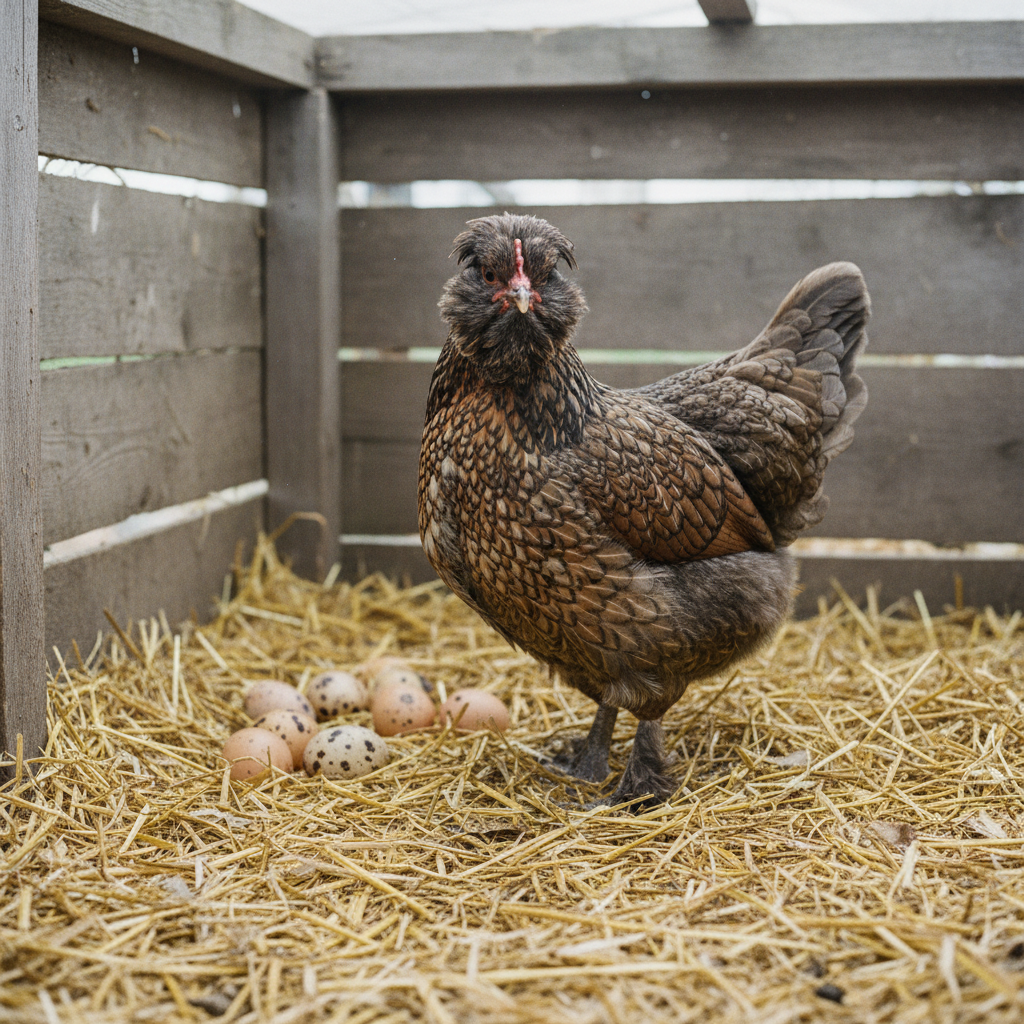
Most birds sold as blue-egg layers at a feed store are Easter Eggers. They carry the blue gene but they’re not a standard breed.
Which means you don’t know the colour until she lays. Could be blue. Could be green, pinkish, or plain brown.
I’ve got 2 and I like them. Hardy birds, good layers. One gives me a soft green. The other gives me a very ordinary brown, which was a mild disappointment for about a week.
Want a guaranteed blue? Buy a named breed from someone who breeds them. Don’t mind a surprise? An Easter Egger is cheaper and just as good a bird.
Olive comes from crossing blue with dark brown
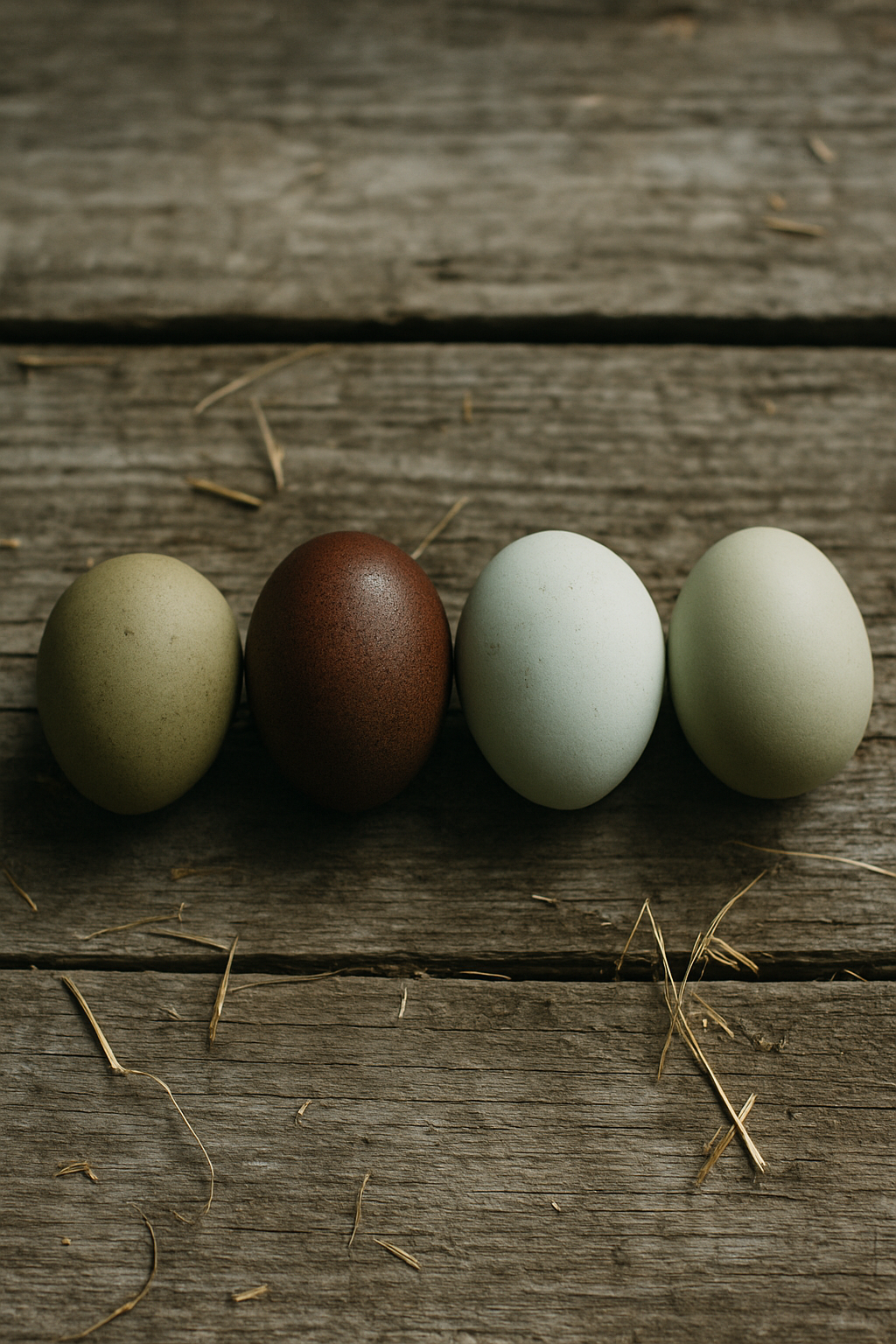
Olive Eggers aren’t a breed either. They’re a cross. A blue-egg bird over a very dark brown one, usually a Marans.
Blue shell underneath, brown pigment over the top. That’s the whole trick, and it’s why you land on olive.
The darker the brown parent, the deeper the olive you get.
You can make them yourself if you hatch. Which is half the fun of keeping a rooster, and most of the noise.
Dark chocolate brown is the hard one
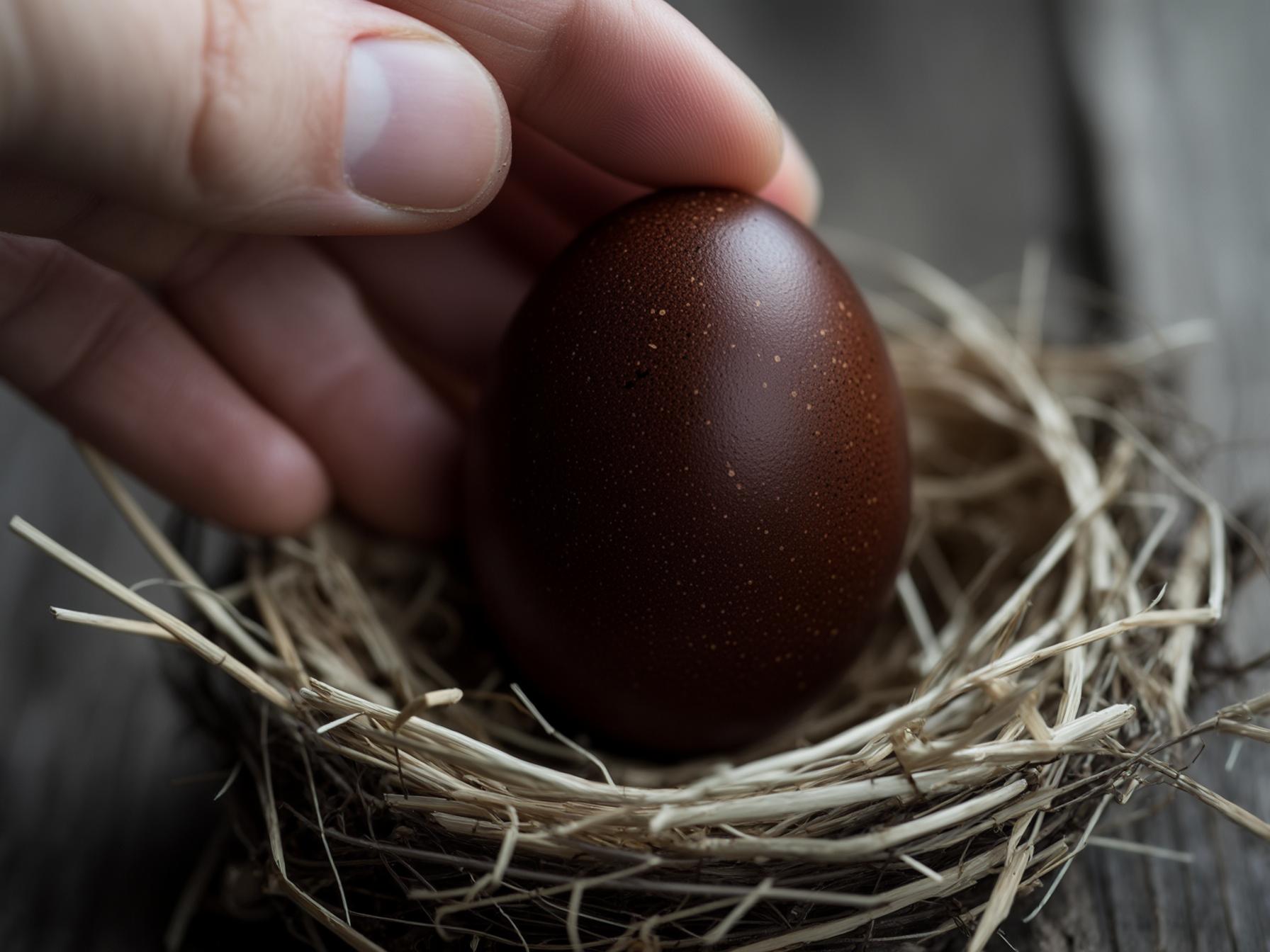
This is the colour everyone chases. It’s also the one I’d warn you about.
Marans and Welsummers lay it. But the photo that sold you the bird is her first eggs of the season.
The colour fades as she lays on through the year. By late summer hers will be a good deal lighter than the picture.
It comes back after a moult and a rest. It just isn’t permanent, and nobody mentions that up front.
They’re not big producers either. Lovely birds, fewer eggs, and a colour that comes and goes.
White eggs deserve better than their reputation
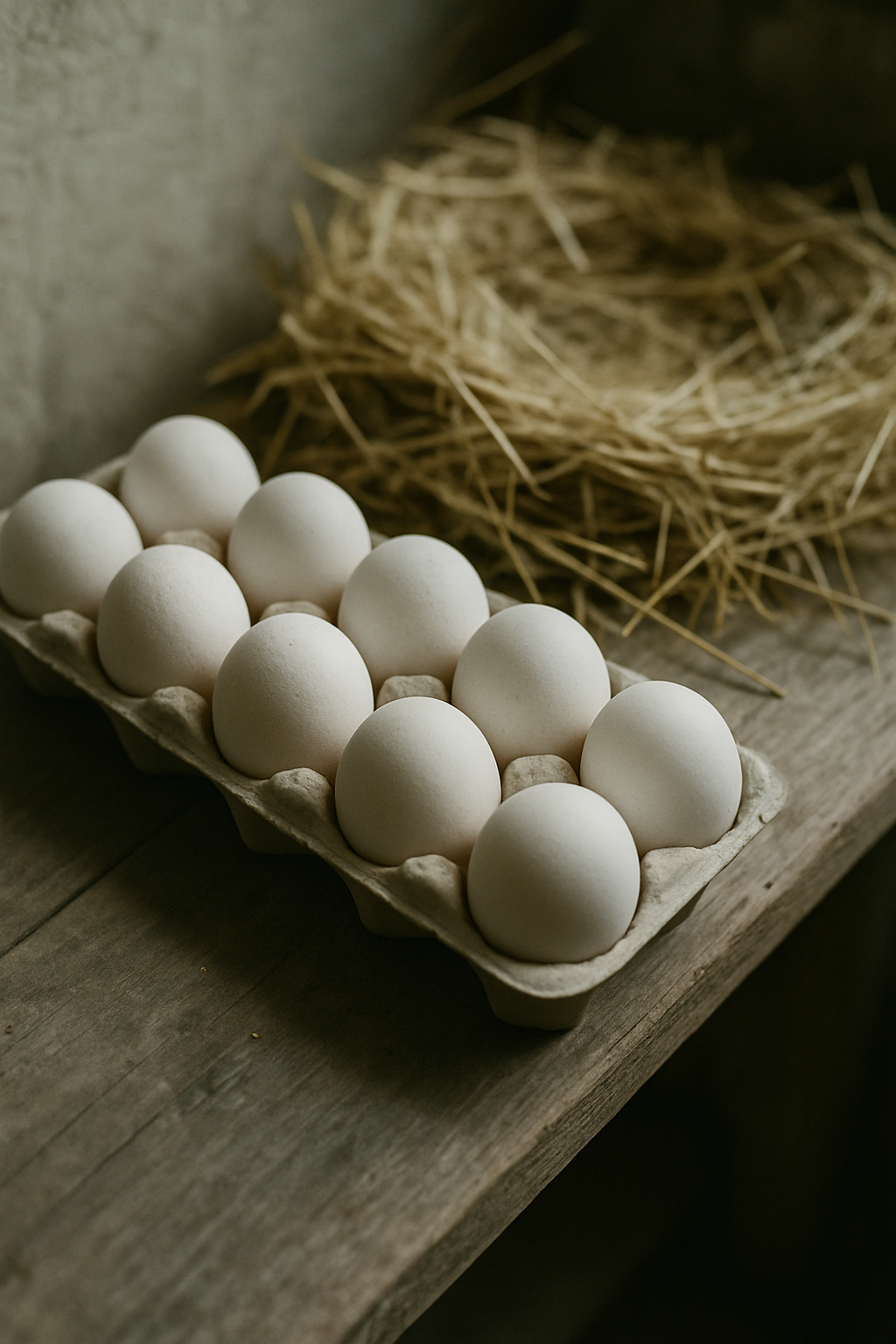
Leghorns lay white, and they lay a lot of them on very little feed.
White eggs picked up a supermarket reputation, so backyard keepers skip them. That’s a shame. A white egg in the basket is what makes the blue and the brown look like anything at all.
They’re flighty birds, mind. Mine is the only hen I can’t pick up.
But if you want eggs rather than a hobby, a Leghorn out-lays nearly everything else you could put in that coop.
Colour tells you nothing about taste
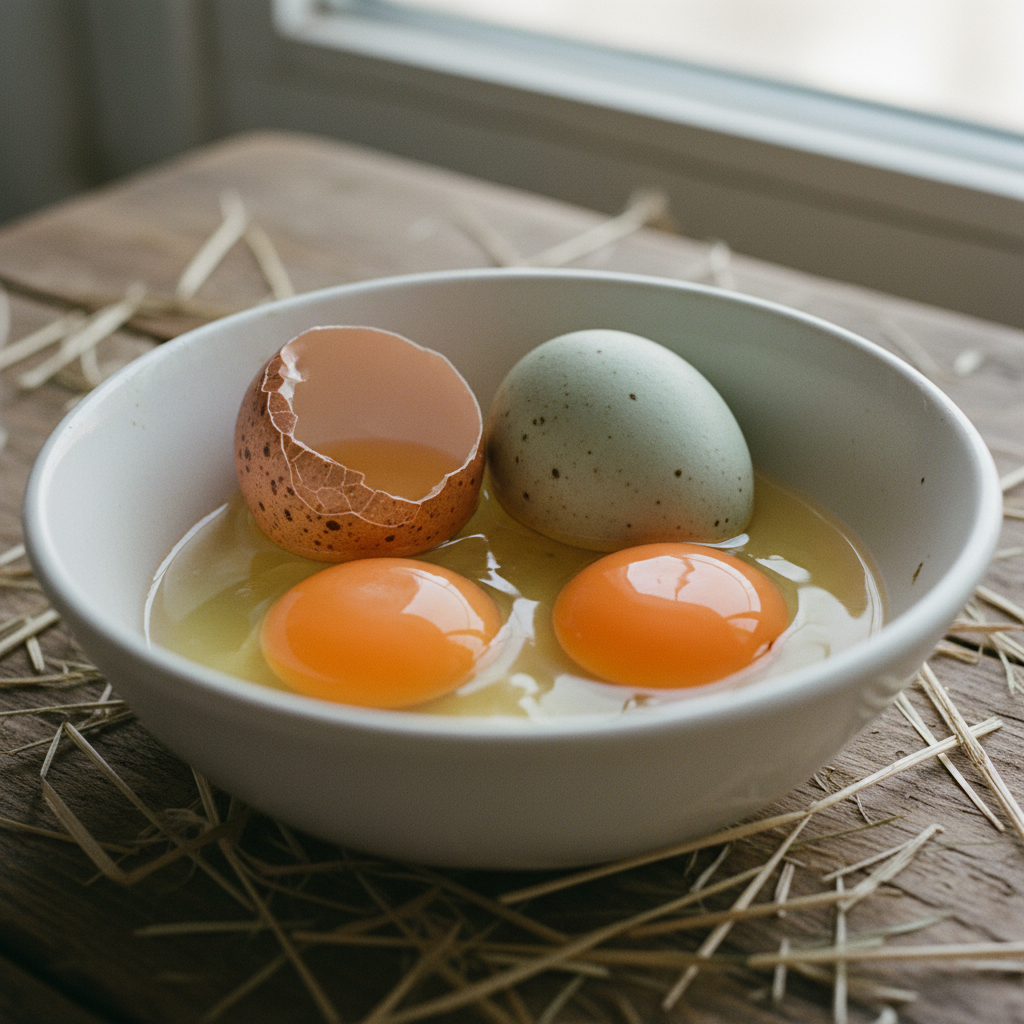
Crack a blue one and a brown one into the same pan. You cannot tell them apart.
Taste and yolk colour come from what the bird eats. A hen out on grass lays a better egg than a hen in a shed, whatever her shells look like.
I’ve had this argument at the feed store more than once.
Buy the colour because you like the basket. Don’t buy it expecting a better breakfast.
Don’t wash them and you won’t need the fridge
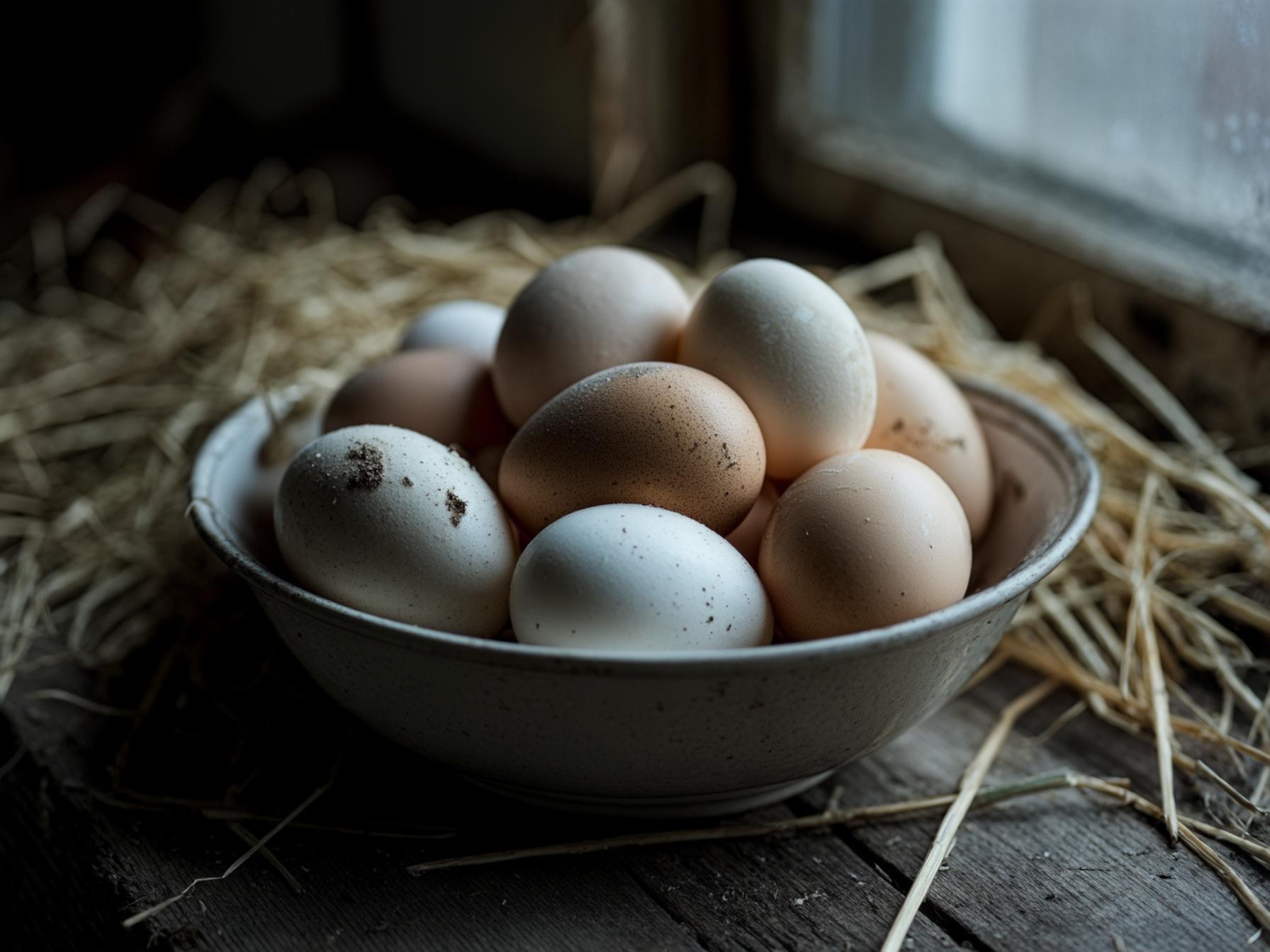
A fresh egg comes out with a coating on it. It’s called the bloom, and it seals the shell.
Wash that off and you’ve opened up thousands of tiny pores. Which is exactly why washed eggs go in the fridge and stay there.
Leave the bloom on and a clean egg keeps on the counter for a good while. I only wash the dirty ones, and those go straight in the fridge and get used first.
That’s also the real reason to keep your nest boxes clean and well bedded. Clean nest, clean egg, nothing to wash off.
Pick for your winter before your colour
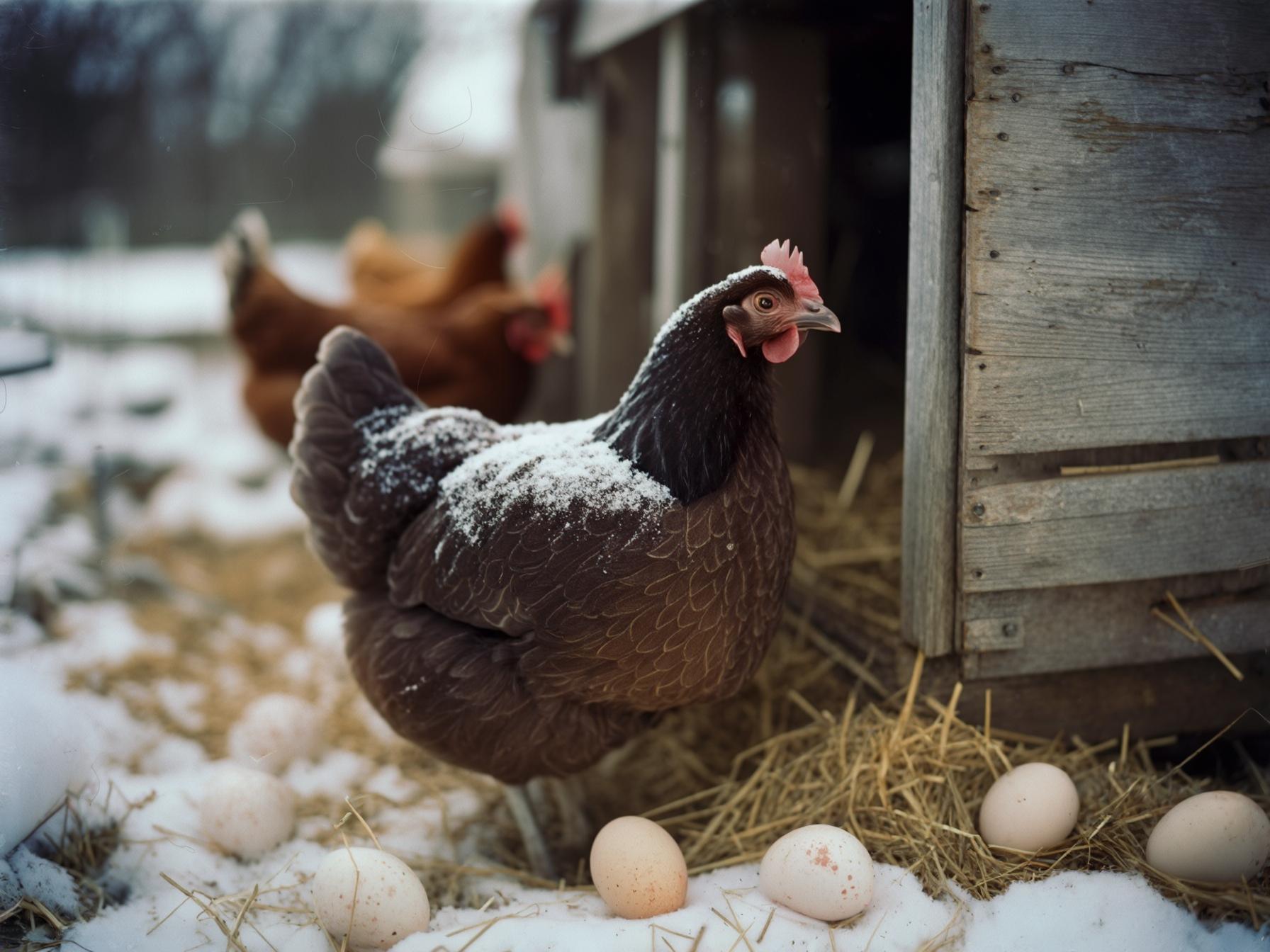
Here’s what the colour charts leave out.
A bird with a big single comb is the bird that gets frostbite. And a damp coop makes it much worse, because damp is what does the damage in winter, not cold on its own.
Breeds with small pea combs handle it far better. Over a January that matters more than whether her eggs are green.
My prettiest layer is the one I check on hardest. If I lived further north I’d think twice about her.
Work out what your winter does first. Then go and pick your colours.