Your Pinterest-perfect garden layout is a hobby-tier failure that won’t keep your family fed for more than a month of the year. I see it all the time. Someone buys a half-acre lot, puts in three raised beds with lavender and marigolds, and calls it homesteading. It’s not homesteading. It’s expensive landscaping. If you actually want to bridge the gap between “grocery store dependency” and “self-sufficiency,” you need to stop thinking about what looks pretty from your kitchen window and start looking at the math.
Caloric Yield vs. Ornamental Aesthetics
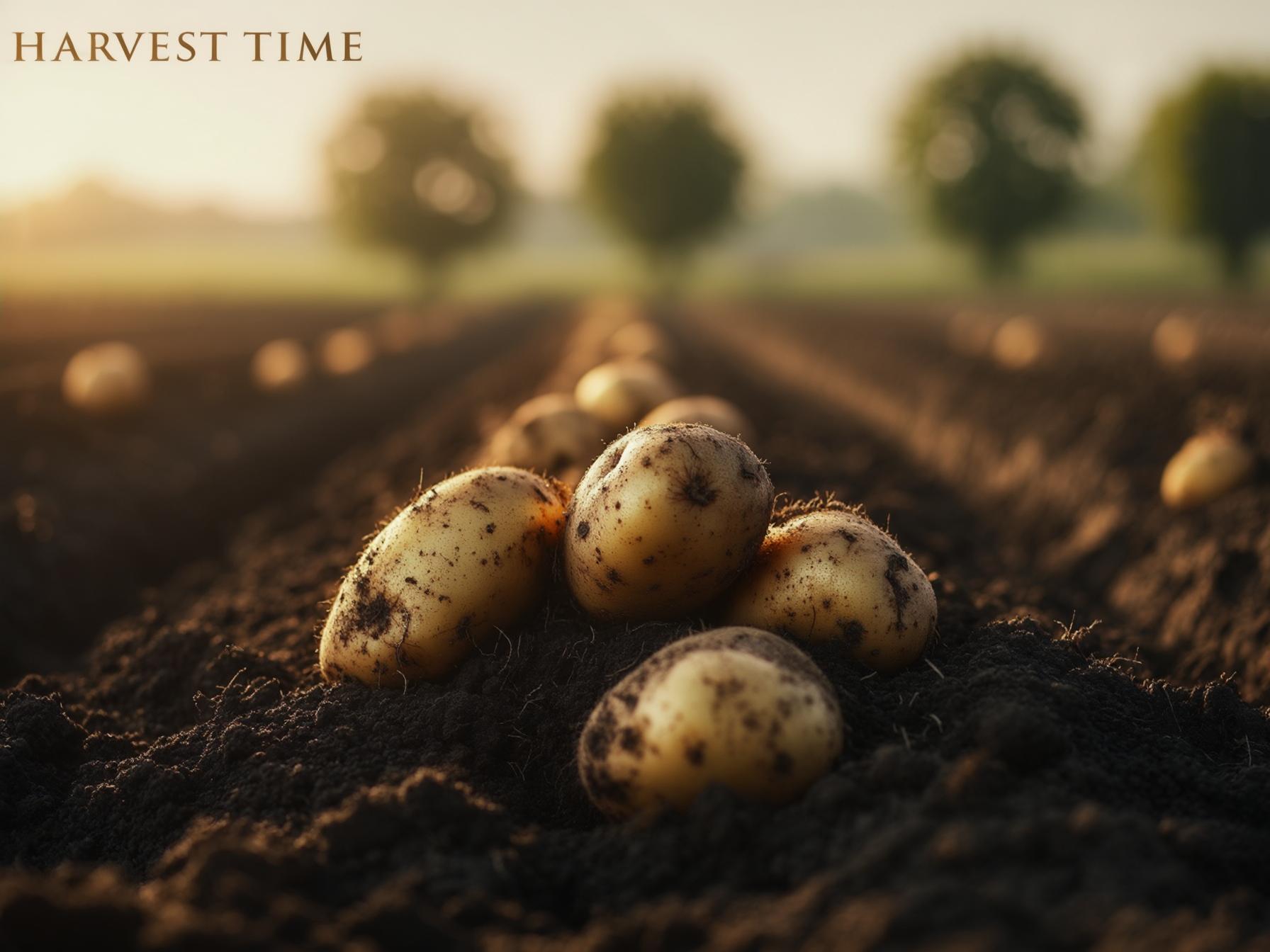
You need 2,000 calories a day to function. If you’re planning on growing even a fraction of that, you’re looking at a serious numbers game. Most folks waste prime, south-facing sun zones on flowers or herbs that offer zero caloric return. That’s financial illiteracy. You don’t need more variety. You need volume. If you aren’t working with at least 1/10th of an acre dedicated to high-density potato and squash rotations, you’re just playing gardener. I’ve wasted plenty of time in the past fussing over kale varieties that look nice but vanish in two meals. Now, I focus on the heavy lifters. If it doesn’t provide bulk energy, it doesn’t get the best dirt. Honestly, it’s not even close to worth the effort.
Zoning Your Plot for Integrated Poultry
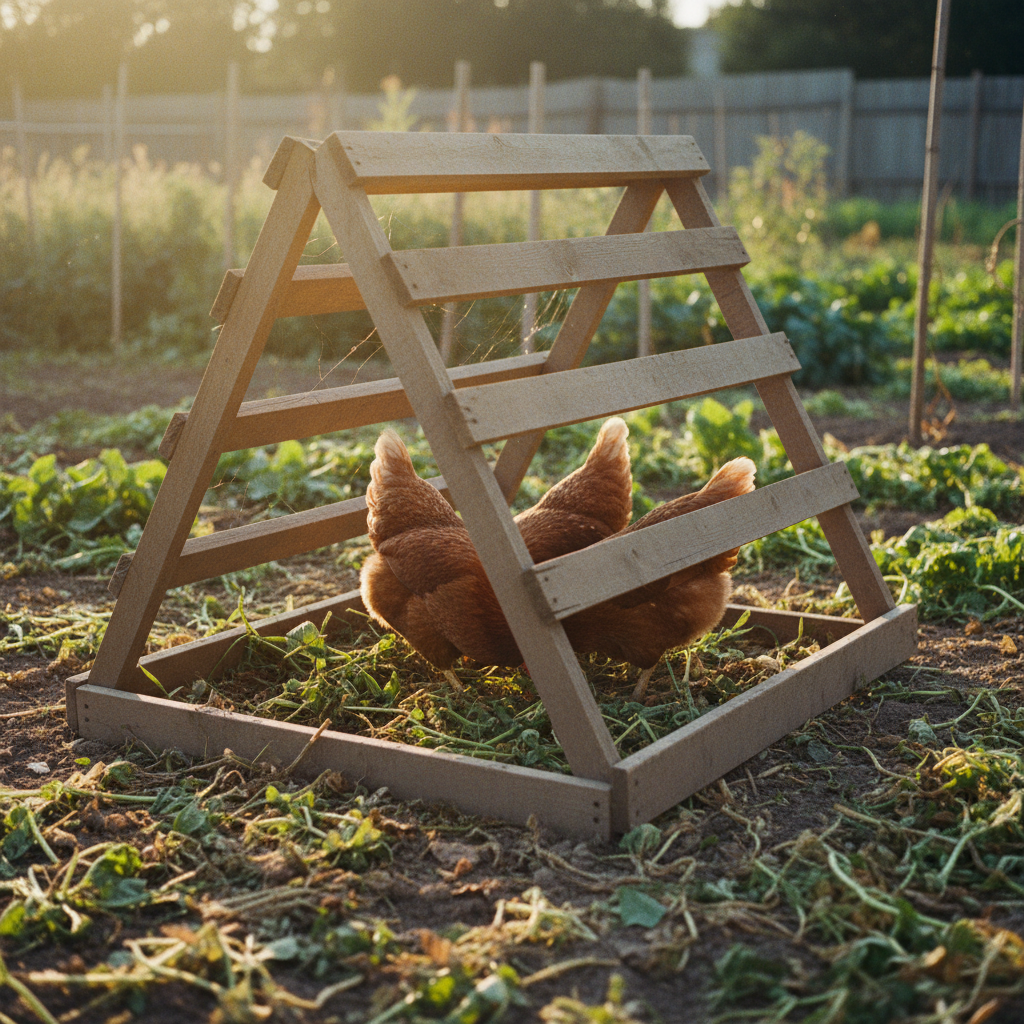
I’ve had twelve hens and one rooster for eight years, and the biggest mistake people make is a static, non-integrated run. Your birds are your labor force. If they aren’t eating your pests and turning their own manure into fertilizer, you’re doing it wrong. I use a mobile setup. A chicken tractor moved weekly, not monthly, prevents nitrogen burn and keeps the parasite load manageable. You need at least 15 square feet of coop space per bird if you want them to stay sane and productive. I also run a 3-stage compost system where the birds work the bedding before it hits the garden beds. It turns waste into black gold. Don’t leave them in one spot. They’ll just turn the ground into a dead, dusty pit. And watch out for that one neighborhood raccoon—he’s a persistent predator that’s cost me more than a few sleepless nights.
Vertical Stacking for Maximum Volume
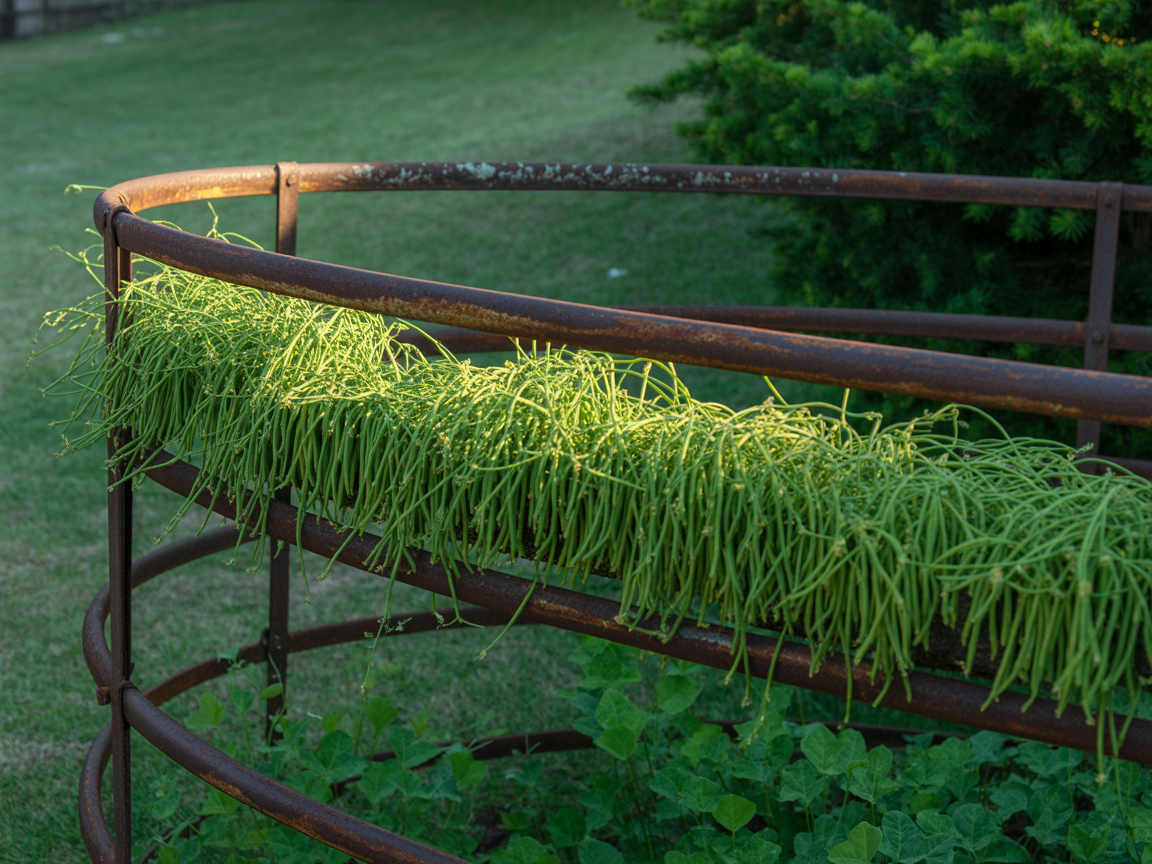
Horizontal gardening is a luxury in a small backyard. I don’t have space to sprawl, and neither do you. If you’re growing pole beans or squash and you aren’t using an 8-foot vertical cattle panel trellis system, you’re leaving half your potential harvest on the table. Vertical stacking doubles your yield per square foot. I’ve seen people complain about low harvests while they have six feet of empty air above their tomato plants. Use that space. A three-tier companion planting approach—tall stalks for beans to climb, leafy greens in the shade at the base, and tubers underneath—is how you actually maximize space. Kinda makes you wonder why everyone doesn’t do it.
Efficient Water Management Tactics
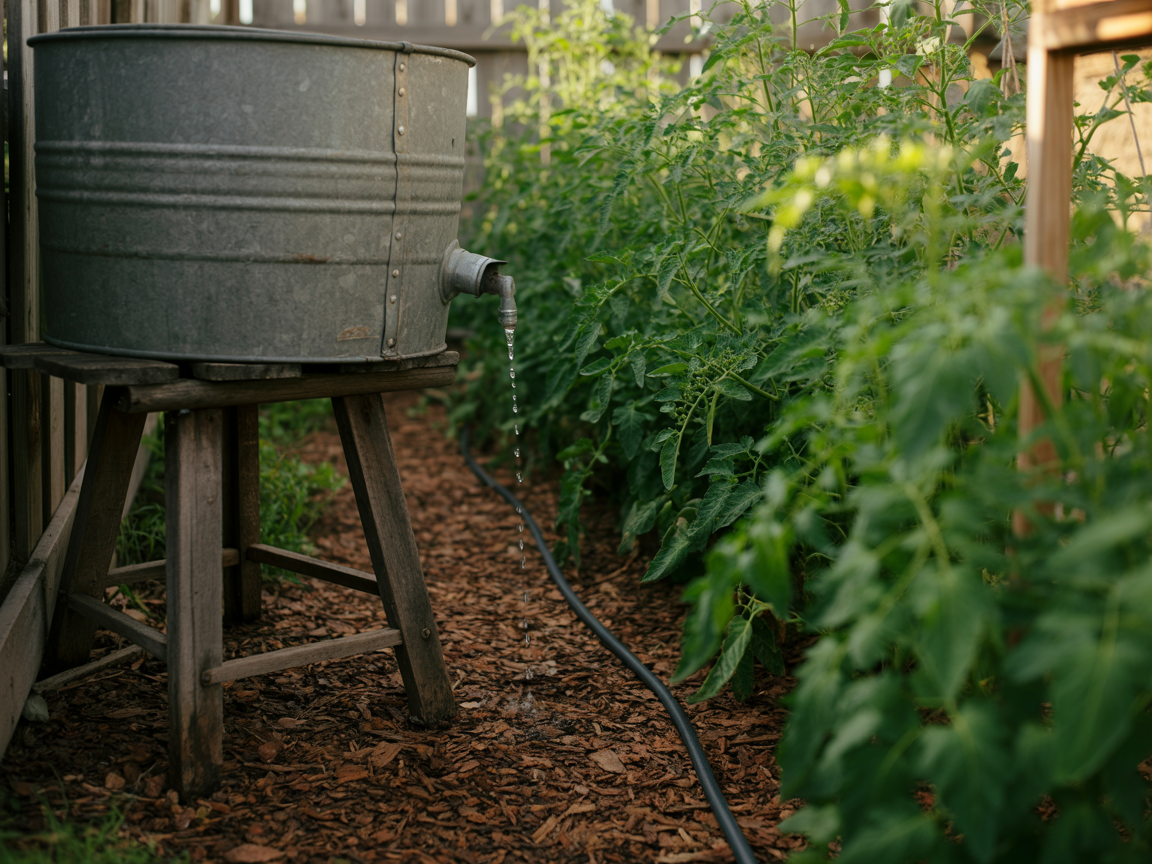
If you’re still walking around with a hose in your hand, you are failing the efficiency test. Hand-watering is a chore that gets old by mid-July. I switched to gravity-fed irrigation years ago. You need at least a 50-gallon barrel elevated enough to provide pressure, coupled with 1-inch drip tape. This puts water directly at the roots where it belongs. Overhead watering? That’s just a great way to invite fungal growth and waste water through evaporation. I learned this the hard way after a blight wiped out half my tomatoes one summer. Keep the leaves dry, keep the roots fed. It turns out, plants don’t actually like getting a shower every afternoon.
Sun-Mapping Your Microclimates
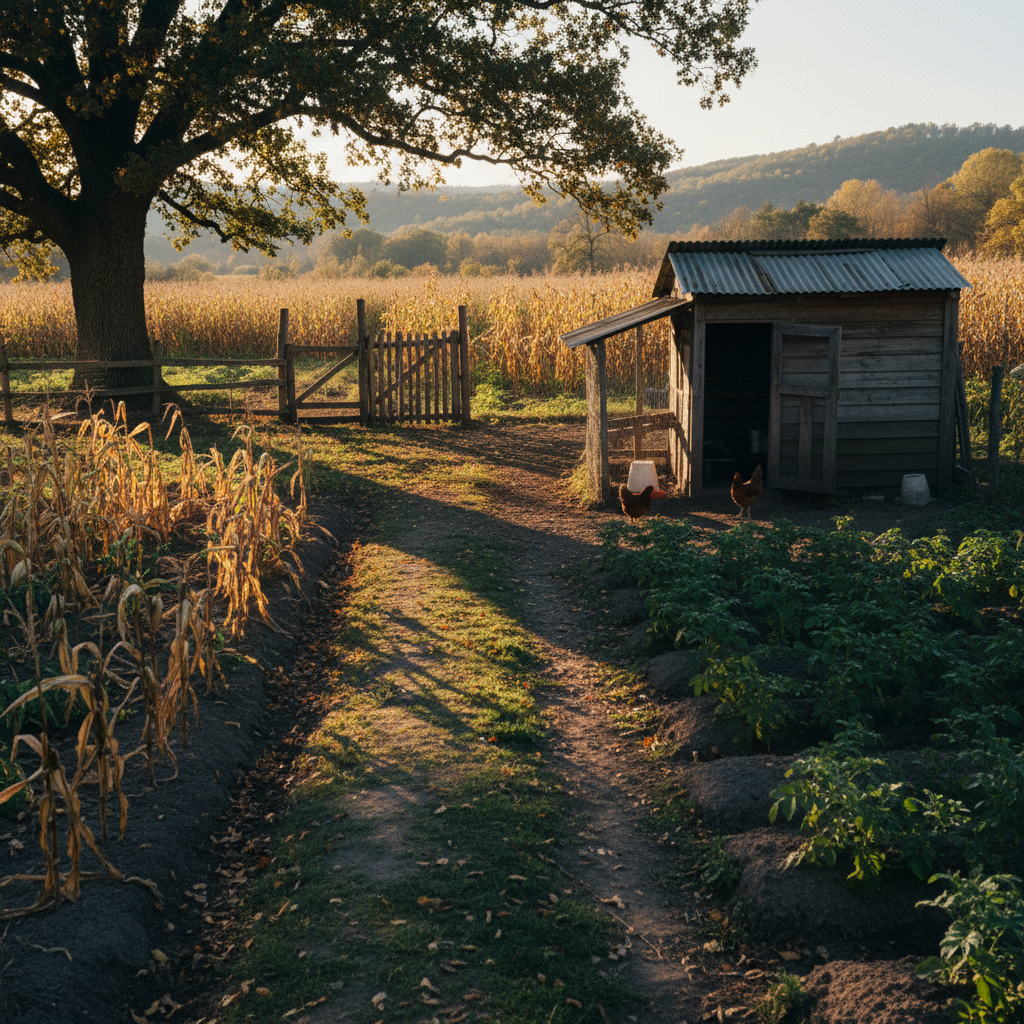
Don’t just slap a coop in the sunniest corner because it looks “farmy.” That’s where your high-calorie starches need to be. Spend a full year tracking where your shadows fall. The house, the trees, the garage—they all have long-term shadow patterns you’re probably ignoring. You need a 6-hour minimum sunlight threshold for your heavy crops. I’ve got a spot behind my shed that gets blocked by the neighbor’s pine trees by 2 p.m. Nothing grows there. Know your microclimates. Build your structures in the dead zones and leave the golden sun-drenched dirt for the food that actually matters.
Prioritizing Calorie-Dense Starch Staples
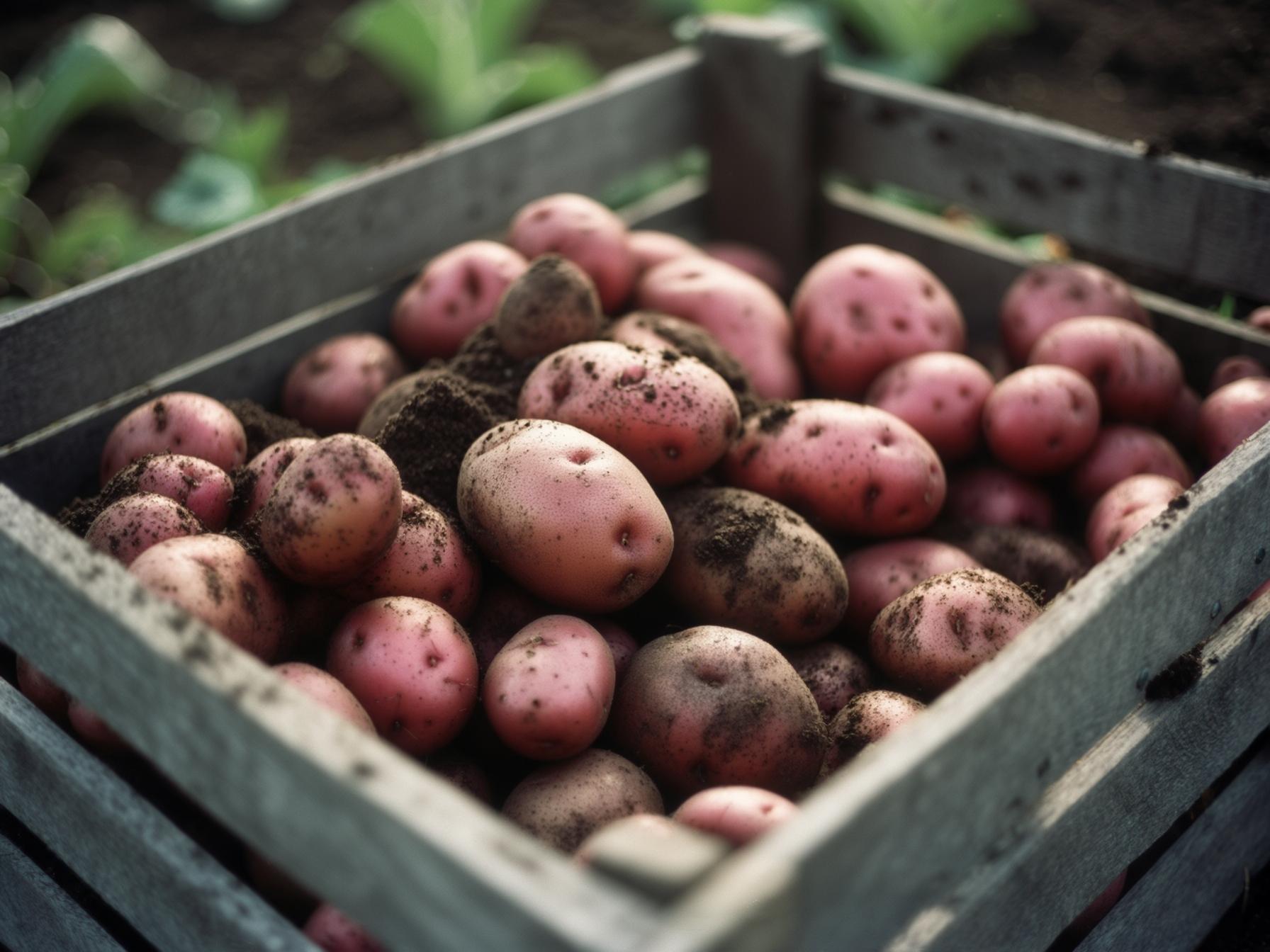
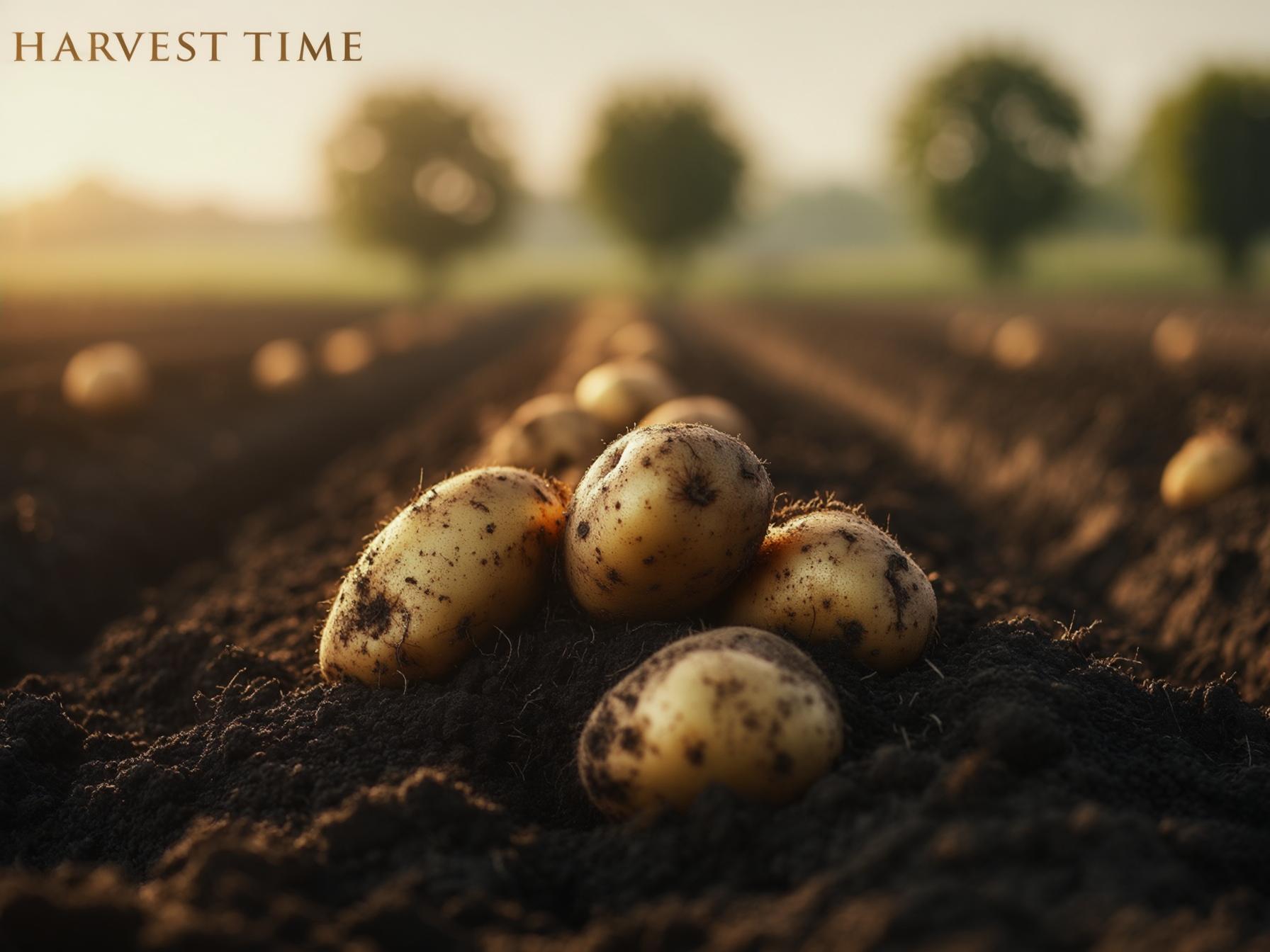
Everyone loves a salad, but you cannot survive on lettuce and tomatoes. You need energy. I’m talking about tubers and grains. You should be aiming for roughly 400 pounds of potatoes per year per person. That takes space. Figure on 10 square feet per potato plant if you want a real yield. I used to grow a little bit of everything, but that’s just a recipe for having a tiny amount of ten different things, none of which fill your belly. Grow for caloric ROI, not for the fancy heirloom colors. You can’t eat aesthetic tomatoes when the power goes out and the store is closed.
Pathways Designed for Wheelbarrow Access
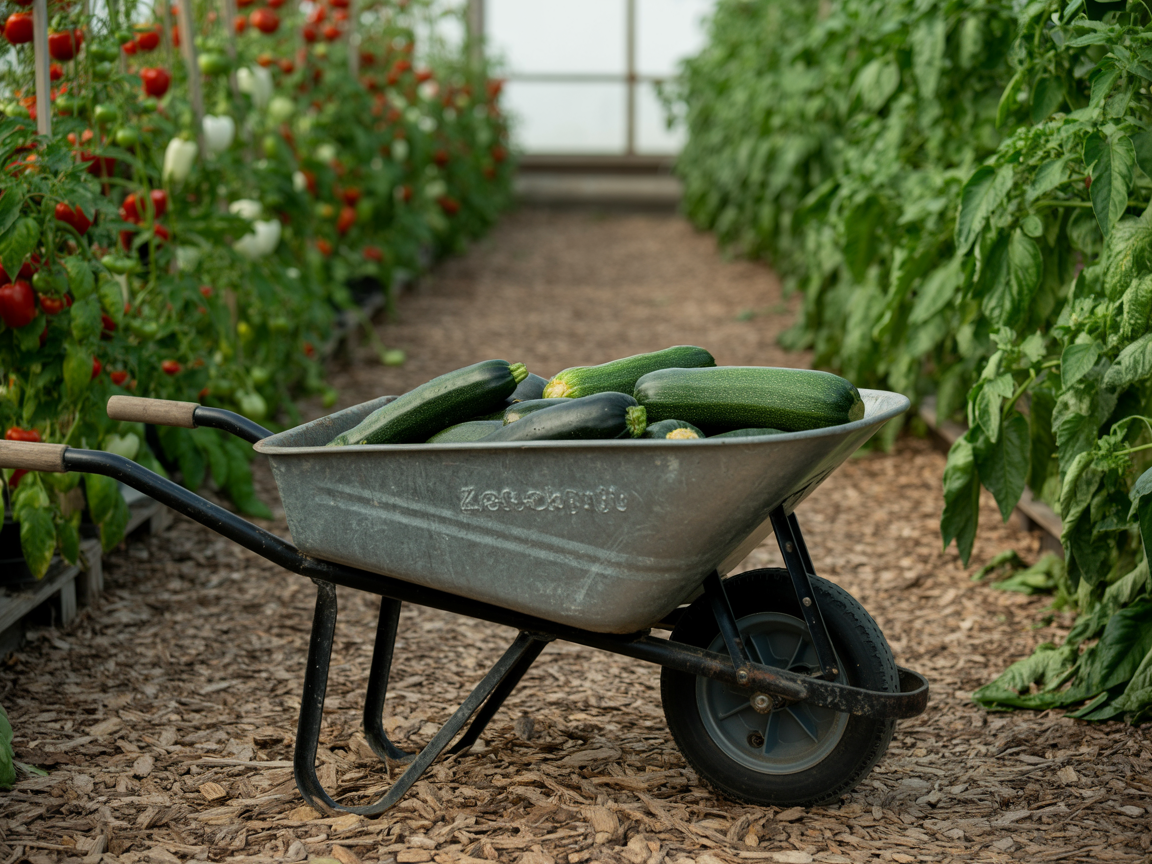
If your wheelbarrow doesn’t fit, your layout is a failure. I see these winding, decorative paths that look nice but make moving compost or harvesting a nightmare. You need a 36-inch minimum path width. Anything less and you’re just making work for yourself. I line mine with 4 inches of mulch. It keeps the mud down and the weeds suppressed. Aesthetic paths are just a trap for people who don’t actually plan on moving a hundred pounds of harvested spuds from one end of the yard to the other. Make it functional, or don’t build it.
Storing Your Harvest Year-Round
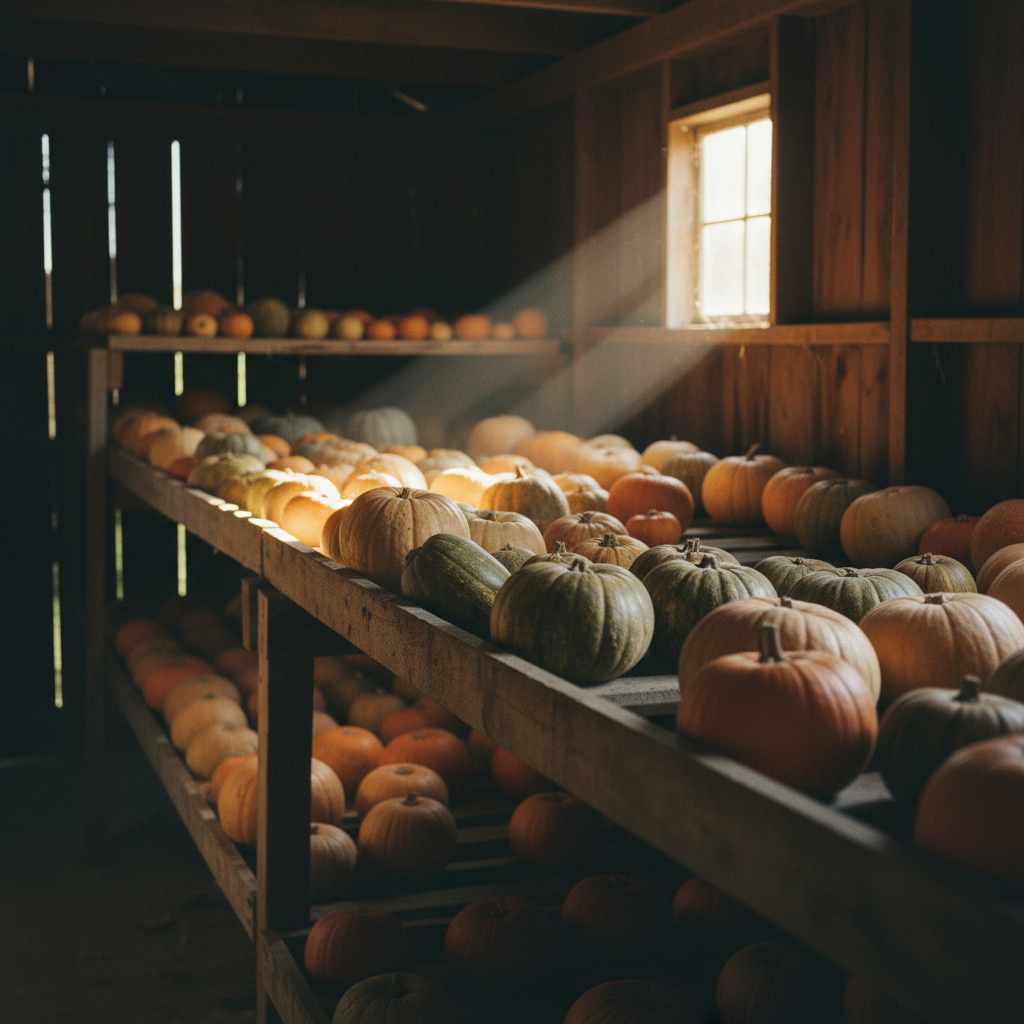
A harvest you can’t store is just garden waste. You can grow 500 pounds of squash, but if you don’t have a plan to cure and store it, it’ll rot before the first frost. I spent a long time learning that you need dedicated space for drying racks and a root cellar that holds at 45 degrees Fahrenheit with 20 percent humidity control. If you don’t have the footprint for storage in your layout, your garden is too big for your kitchen. I’ve lost enough produce to poor curing to know that if you don’t account for the “after the harvest” space, the work you did in the dirt is wasted. It’s a total pain to watch a winter’s worth of food turn to mush.
Rotation Cycles That Feed the Soil
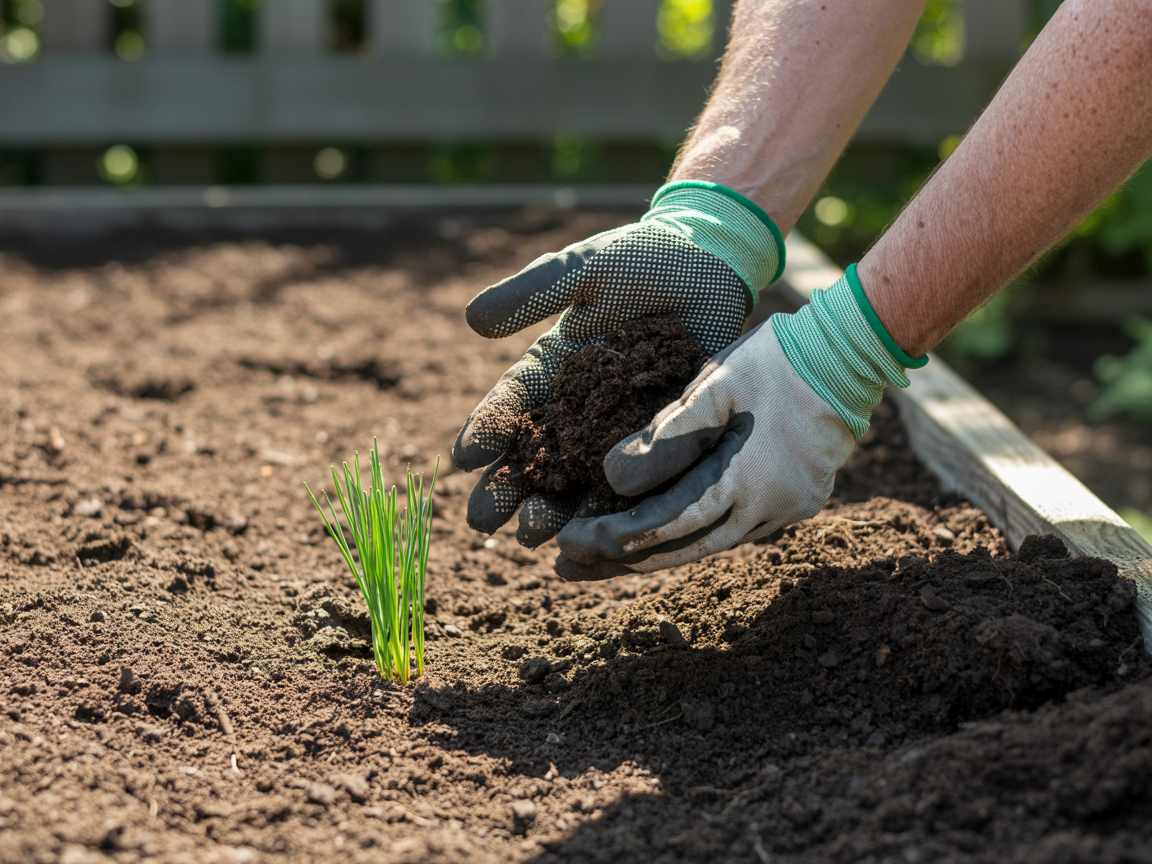
Synthetic fertilizers are just a crutch for bad planning. If you aren’t rotating your crops, your soil is going to give up on you. I stick to a strict 4-year cycle. No nightshades in the same spot for two consecutive seasons. It keeps the soil biology alive and prevents disease buildup. I add about 50 pounds of organic compost per 100 square feet every cycle. It’s basic biology. If you think you can just keep planting the same tomatoes in the same bed, you’re wrong. The bugs and the blight will find you eventually, and they’ll take everything.
Maintenance Time Budgeting
If your homestead layout requires more than 10 hours of work a week, you’ve built yourself a job, not a lifestyle. I aim for 15 minutes of daily maintenance (mostly checking for pests or water leaks) and about 2 hours of heavy “deep-work” on the weekends for things like turning compost or mending fences. If you find yourself spending 20 hours a week just trying to keep the weeds down, you’ve got too much area and not enough design. I made that mistake early on. I turned my whole backyard into tilled soil, and I spent my whole summer hating the garden. Optimize the layout, reduce the manual labor, and just grow the food.