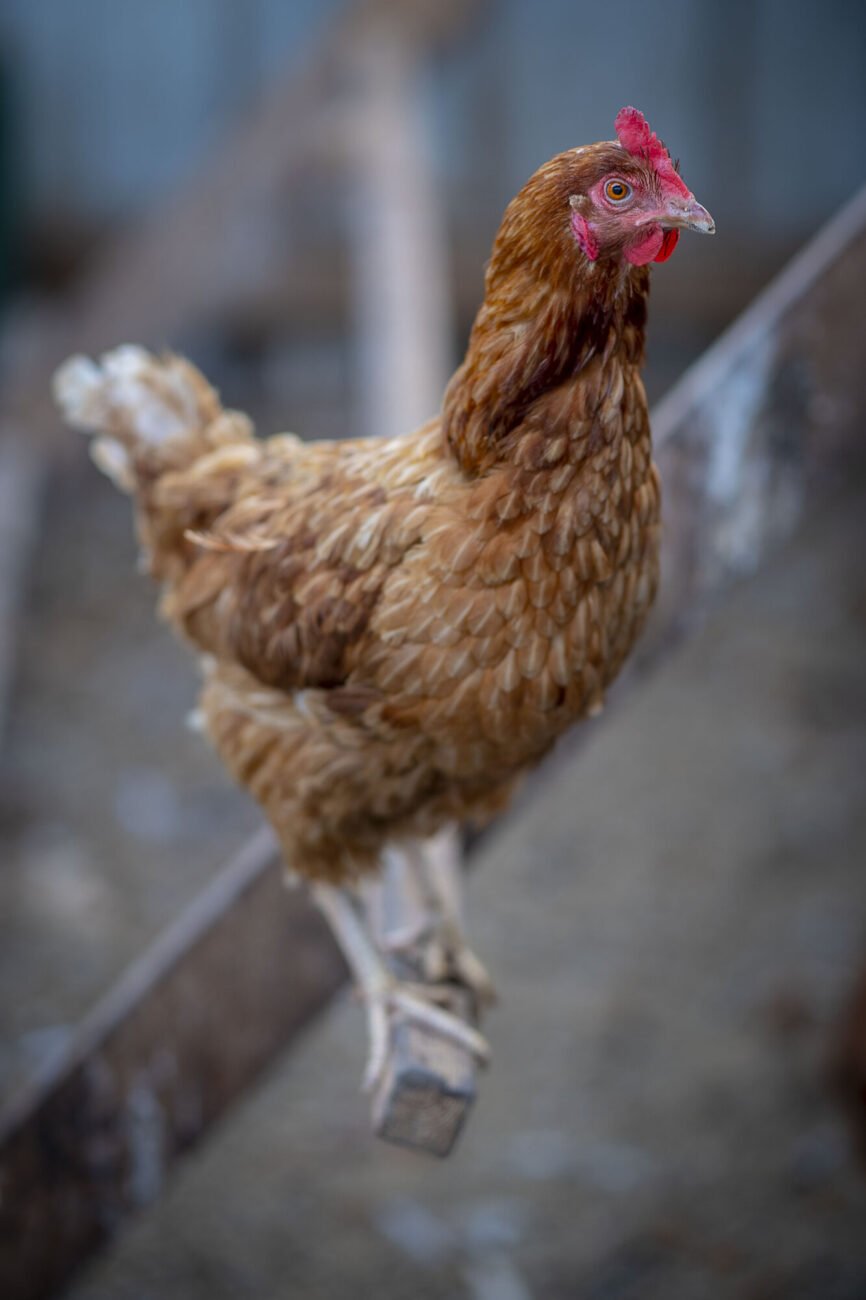
Sure, your hens can have Honey Nut Cheerios, as long as it’s a few at a time and you count them as a treat. The catch is what the cereal pushes aside. Nearly a third of it is sugar by weight, and every beakful a hen eats is a beakful of layer feed she skipped. A small handful scattered for the flock now and then? Fine. A bowl dumped in the run? I wouldn’t.
What’s in a Box of Honey Nut Cheerios

Flip the box over and read it the way you’d read a feed tag. The ingredient list is pretty short. Whole grain oats come first. After that it’s sugar and corn starch, then honey and brown sugar syrup. Salt and tripotassium phosphate come next, plus a little canola or sunflower oil and the natural almond flavor. Vitamin E goes in to keep it fresh. There’s a list of added vitamins and minerals too, with calcium carbonate and iron on it.
Now count the sweeteners. Sugar is second on the list, and honey and brown sugar syrup sit fourth and fifth. That’s three of the first five ingredients. It’s where the 12 grams of sugar in a 1-cup serving come from, and all 12 of those grams are added sugar. A serving also has 3 grams of protein and 2 grams of fat.
And the “nut” in the name? The only nut on the ingredient list is the natural almond flavor, and the box says it contains almond ingredients. You won’t find chopped nuts in there for a hen to pick out.
Honey Nut Against the Plain Yellow Box

Got both boxes in the pantry? The plain yellow one is the better pick for your birds. Gram for gram, Honey Nut Cheerios carry about six times the sugar of original Cheerios.
The labels hide that a little, because the serving sizes don’t match. A 1-cup serving of Honey Nut weighs 37 grams and has 12 grams of sugar. The original’s serving is bigger, 1½ cups at 39 grams, and it has just 2 grams of sugar. Put them on the same scale and Honey Nut runs about 32 grams of sugar in every 100 grams of cereal. The original runs about 5.
The plain box has one sweetener, plain sugar, and it’s third in line after the oats and the corn starch. Salt and tripotassium phosphate round it out, with vitamin E and its own added vitamins and minerals. It’s got a bit more protein too, 5 grams in its serving against 3.
Neither one is chicken feed. But if a few O’s are going out to the run, I’d make them the plain ones. A few Honey Nut from your own box are fine now and then, but I wouldn’t buy a box for the flock.
Gram for Gram Against Layer Feed

If you keep laying hens, this is the part that matters. The bag of layer feed in your coop is built to be nearly everything your hens eat. Take a common one, Purina’s Layena pellets. It guarantees at least 16% protein and 3.25 to 4.25% calcium, and it’s meant to make up at least 90 percent of her diet. Layer feeds in general run about 15 to 18% protein, with 3 to 4% calcium. That calcium goes into her eggshells, so she isn’t drawing it out of her own body. Gram for gram, Honey Nut Cheerios fall well short of that bag.
- Protein: about 8%, half of what the layer feed guarantees.
- Calcium: about 0.35%, counting the calcium carbonate the box adds. The layer feed carries roughly 9 to 12 times as much.
- Sugar: about 32%, nearly a third of the cereal’s weight.
Hens that get the choice will likely eat more treats than layer feed, and that feed is where most of their calcium comes from, so keep the treats small. When a laying hen runs short on calcium, she pulls it from her own bones to make shells. Over time that can leave her with a weak skeleton.
How Many Honey Nut Cheerios a Hen Can Have

Most laying hens eat about a quarter pound of feed a day. It goes up and down with her breed and size. Laying and the weather change it too. A big 6-pound hen can eat roughly 3 pounds a week.
Every treat you give her, added together, should stay at about a tenth of that or less, and never past 15 percent. Kitchen scraps count toward it. So do scratch grains and mealworms, and so does the cereal.
For a hen eating a quarter pound a day, a tenth is about 11 grams, or about 0.4 ounce. In Honey Nut Cheerios that’s just under a third of a cup, with nearly 4 grams of sugar in it. A big hen eating 3 pounds a week has room for about half a cup. Either way, that’s her whole treat allowance for the day. Cereal and everything else, together.
You can stay well under it. A small handful scattered for the whole flock, a few times a week, is plenty. It leaves room in her tenth for whatever else you hand out, and it keeps layer feed as nearly all of what your hens eat.
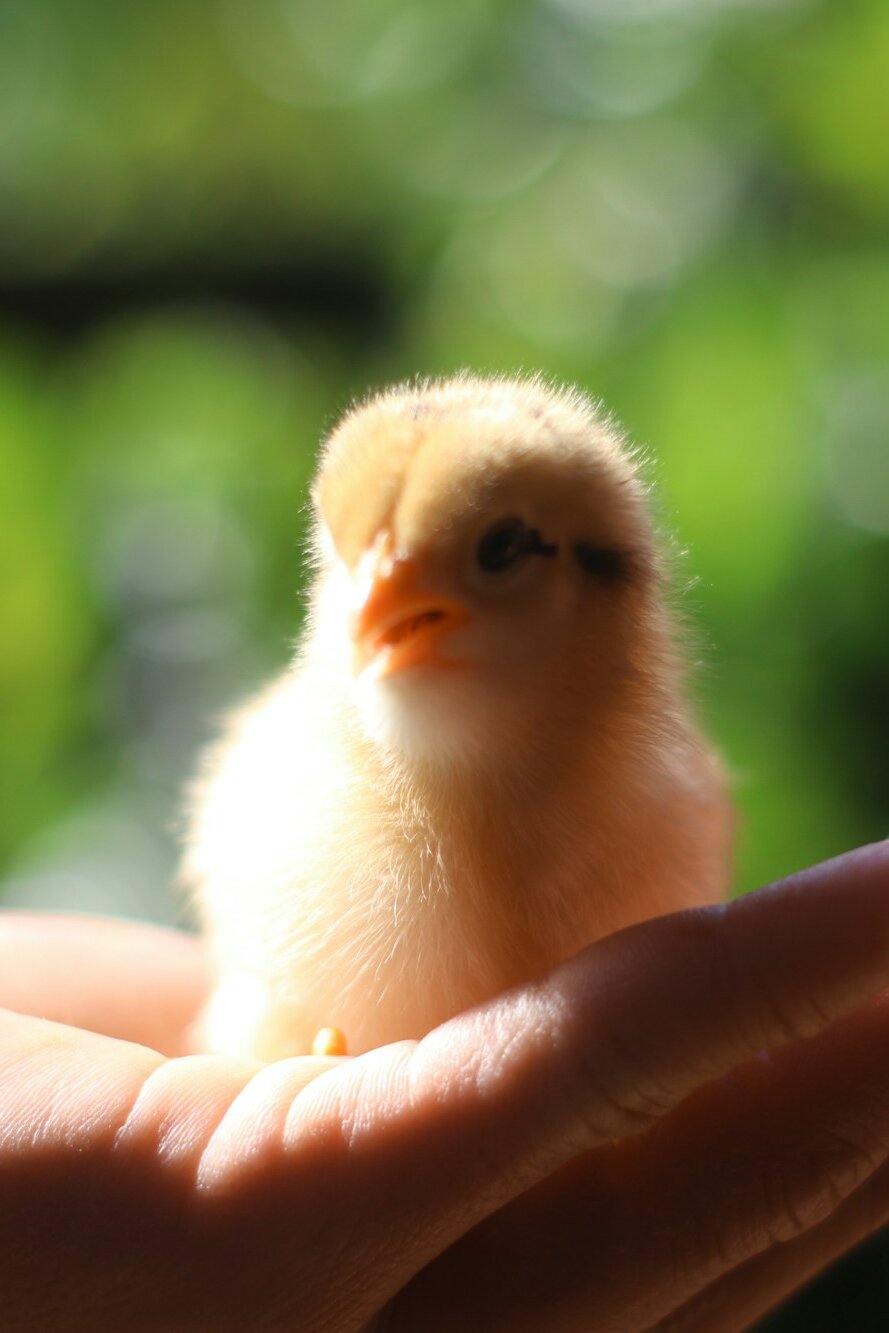
Got chicks? Keep the Honey Nut Cheerios away from them. For at least their first two weeks they should eat nothing but chick starter, because that’s when they need its nutrients for fast growth. After that, small treats are fine, as long as they stay under a tenth of what the chicks eat by volume and never take the place of their starter, and as long as nothing is flavored with sugar, salt or other seasoning, butter or oil. Honey Nut Cheerios carry sugar and salt, so save the O’s for your grown hens.
How to Hand Them Out

Chickens love to scratch. That’s why folks toss scratch grains across the ground: it can get them scratching, which gives the birds exercise and keeps them busy. I’d hand out a few O’s the same way, scattered on the ground instead of piled in a dish.
Give no more than the flock cleans up in about 20 minutes, and that counts the O’s and every other treat together. Still seeing O’s lying around after that? Cut back next time.
Hand them out dry, straight from the box, and keep the milk for your own bowl. Chickens make little or none of the gut enzyme that breaks down milk sugar.
Keep grit where your hens can get to it, too. Chickens don’t have teeth, and grit in the gizzard helps them grind up what they eat. If you toss scratch grains, your hens need it to grind them. Birds out foraging on pasture or chasing bugs may benefit from it too. Birds with access to the ground can usually find enough small stones on their own. If yours can’t, set out a dish of insoluble grit from the feed store. Oyster shell won’t stand in for it. It’s too soft to grind anything.
The Cheerios That Stay Out of the Run

Chocolate Cheerios never go to the flock, not even the crumbs at the bottom of the bag. They’re made with cocoa, and cocoa carries the same theobromine and caffeine that make chocolate dangerous. Both are toxic to poultry. Even small amounts can cause hyperactivity, seizures, heart trouble or death. So check any other box you’re tempted to share. If you see cocoa or chocolate anywhere on the ingredient list, it stays in the house.
If your box has gone damp, I’d toss it. Molds grow in damp feed, and some of them are dangerous for chickens. If it’s too moldy for you to eat, it’s too moldy for your birds.
I’d keep the salt in mind, too. Honey Nut Cheerios are a salted food, with 210 milligrams of sodium in a cup. Too much salt can lead to dehydration and kidney damage in chickens. That’s why salty leftovers like chips and fast food stay out of the treat bucket.
Sources
- Cheerios (General Mills): Honey Nut Cheerios, ingredients and nutrition facts.
- Cheerios (General Mills): Original Cheerios, ingredients and nutrition facts.
- Cheerios (General Mills): Chocolate Cheerios, ingredients.
- USDA FoodData Central: Honey Nut Cheerios Breakfast Cereal (Branded Foods, 2776977).
- USDA FoodData Central: Cheerios Breakfast Cereal (Branded Foods, 2777441).
- Purina Animal Nutrition: Purina Layena 16% Layer Pellets, guaranteed analysis and feeding directions.
- Purina Animal Nutrition: Chicken Treats: Are They Good for My Laying Hens?
- Oregon State University Extension: How to Feed Your Laying Hens (PNW 477).
- University of Minnesota Extension: Raising Chickens for Eggs.
- Kalmbach Feeds: The Complete Guide to Feeding Backyard Laying Hens.
- Cackle Hatchery: What to Feed Baby Chicks.
- Mozdziak and colleagues, The Journal of Nutrition (2003): Transgenic chickens expressing beta-galactosidase hydrolyze lactose in the intestine.
- Szylit and colleagues, Reproduction Nutrition Développement (1988): Production of volatile fatty acids as a result of bacterial interactions in the cecum of gnotobiotic rats and chickens fed a lactose-containing diet.
- UF/IFAS Extension Holmes County: 10 Foods You Should Never Feed Chickens.
- Merck Veterinary Manual: Chocolate Toxicosis in Animals.
Sources checked November 14, 2026.
Related read: How to Raise Chickens for Eggs — Instant PDF download. Secure checkout by Stripe