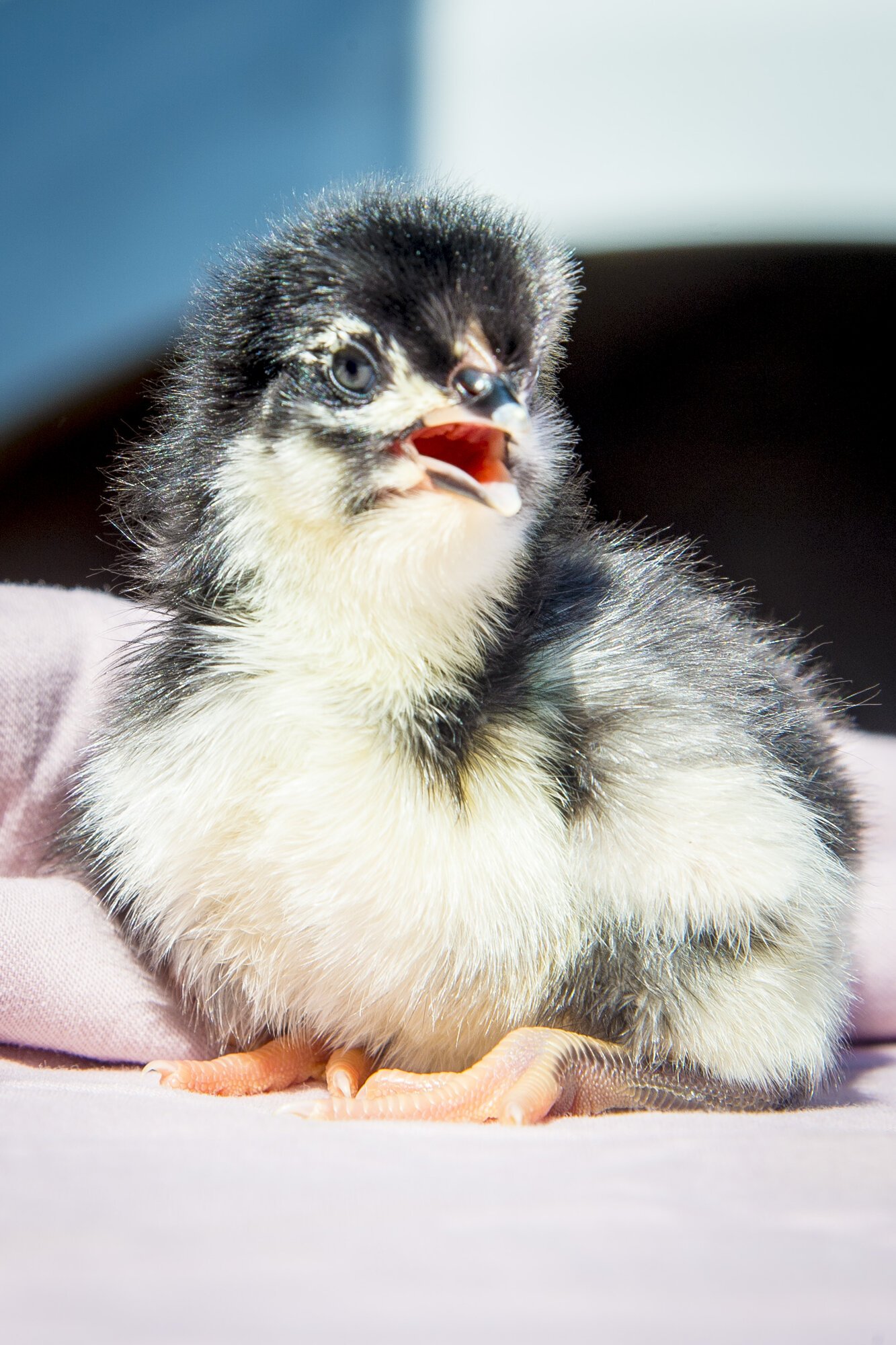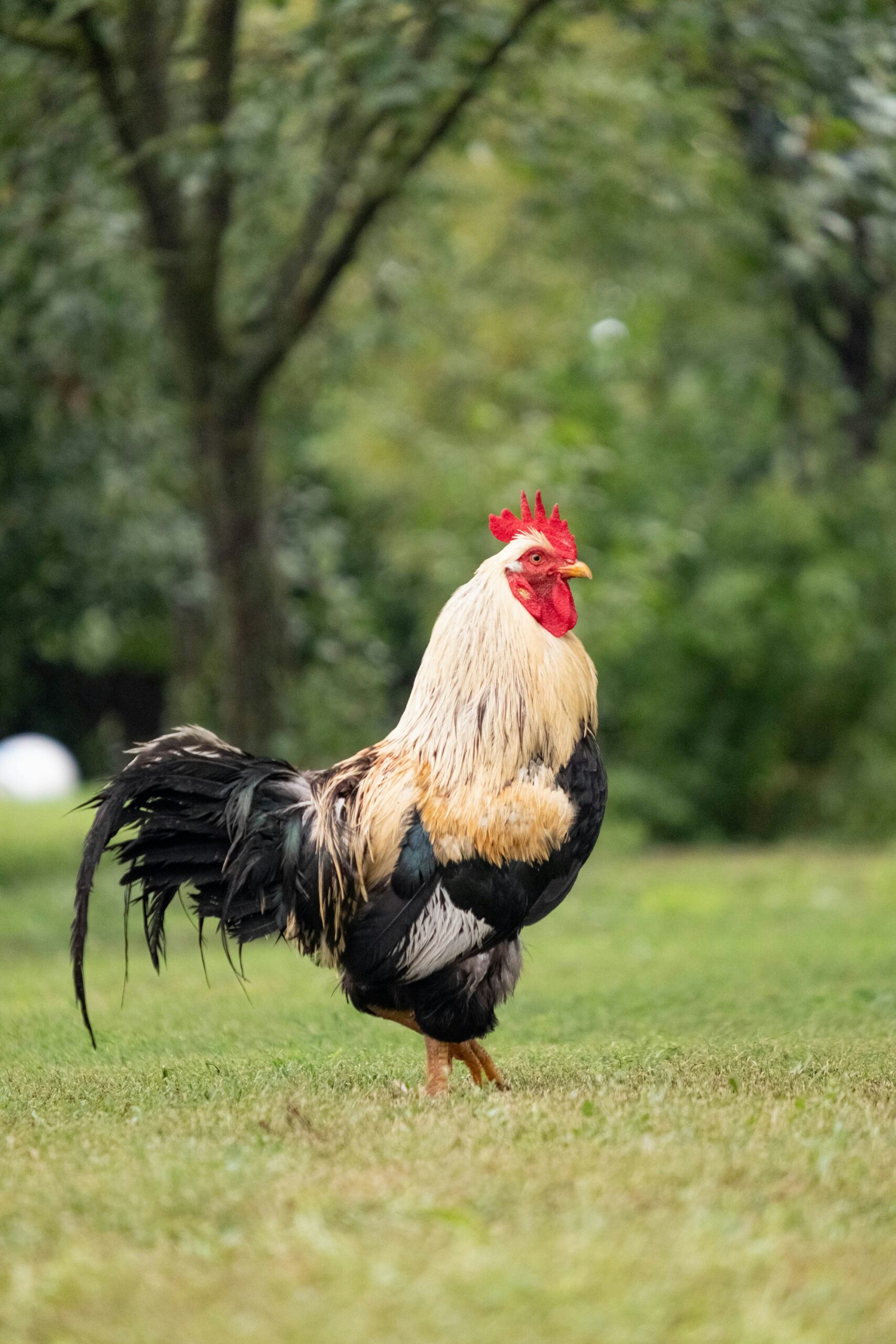

Yes, chickens and turkeys can live on the same place, and plenty of small farms keep both. Sharing one coop and one run is a different question, and the straight answer there is usually no.
The reason has a name: blackhead. Your chickens can carry it for years and never look sick, and when it reaches a turkey it tends to kill. That one fact drives almost every other choice below.
Feed and size get in the way too. A turkey poult needs far more protein than anything in your hens’ feeder, and a grown tom is a very different animal to share a run with.
Blackhead Is Why Most Keepers Keep Them Apart

Blackhead is the common name for histomoniasis, a disease caused by a single-celled parasite called Histomonas meleagridis. It sets up in the ceca, the two blind pouches off a bird’s gut, and from there it goes after the liver.
Turkeys are about as susceptible to it as a bird gets, right alongside peafowl. Chickens are somewhat resistant.
That gap is the whole problem.
The parasite doesn’t drift around in the air. It travels inside the eggs of the cecal worm, a small roundworm that’s common in backyard chickens, and earthworms that eat those eggs carry it as well. A turkey scratching up worms in a run your hens have used is eating the parasite right along with them.
And those worm eggs are tough. They can stay alive in soil for years, so ground your flock gave up a few seasons ago can still be holding it.
Your Chickens Can Carry It and Look Perfectly Fine

This is the part that catches people out. A chicken with blackhead often shows nothing at all. She keeps laying, she eats, she fights for the best dust-bathing spot, and the cecal worms in her gut keep shedding eggs into the run the whole time.
So “my hens are healthy” doesn’t tell you much here (it’s the first thing everybody says). Healthy-looking chickens are exactly how most turkeys end up with it.
Blackhead isn’t the only thing that moves from chickens to turkeys, either. Chronic respiratory disease passes between the two as well, which is one more reason to start poults well away from your chickens and keep them there while they’re young.
Turns out the parasite rides on boots, too. Mud from the chicken run stuck to your soles goes straight into a turkey pen if you walk from one to the other. A simple habit fixes most of that: do the turkey chores first each day, then the chickens, and never the other way around.
What Blackhead Does Once It Reaches a Turkey

In a turkey flock the losses are ugly. Mortality commonly runs 80–100% once blackhead gets going. Not a sick bird or two. Most of the flock, often all of it.
And there’s no easy fix. The drugs that used to prevent and treat it are off the market, and there’s no approved medication for blackhead in the US now. Prevention is all you’ve got.
If one of your turkeys goes quiet, hunches up and stops eating, don’t wait to see what it does next. Call an avian vet that day. A vet can confirm what it is, and that answer decides what happens to the rest of your birds.
Put those together and the math is simple. The disease is common in chickens, close to always fatal in turkeys, has no approved treatment, and hides in the dirt for years. Every other rule about mixed flocks comes back to those four facts.
Poults Need Far More Protein Than Your Hens Get

Say you set the disease question aside entirely. Feed still gets in the way.
A turkey poult needs a starter with about 28% protein for its first 8 weeks. After that the protein steps down as the bird grows, to about 22%, then 19%, and finally 16% for a grown bird.
Layer feed, the bag your hens live on, runs about 16% protein with 3 to 4% calcium added for eggshells. That’s right for a laying hen and wrong for a young bird. Calcium at that level can do real harm to young birds that are still growing fast.
Chick starter isn’t a stand-in. A medicated chick starter is aimed at the kinds of coccidia that hit chickens, which aren’t the ones that hit turkeys. Ask at the feed store for turkey or game-bird starter by name (not “whatever’s for chicks”), and check the protein number on the tag before you pay.
In one shared run you can’t feed both right. The poults fill up on layer feed, the hens raid the turkey starter, and nobody gets what they need.
But once the turkeys are grown, the gap pretty much closes. A mature turkey at 16% and a laying hen at 16% are eating close to the same protein. The calcium is still the hens’ business, though, so a turkey that isn’t laying has no reason to live on layer feed.
A Grown Tom Is a Lot of Bird

Turkeys get big. And the meat breeds get big fast. Broad Breasted Bronze and Large White toms can reach 25 pounds by 24 weeks. Even the Small White, the compact meat breed, gets to about 14 pounds in 16 weeks. Most turkeys are close to grown at around six months.
That much bird eats. Over its growing months a tom goes through around 100 pounds of feed and a hen around 60. Price that out at your feed store before the poults come home, not after. Turkeys are cheap to buy and anything but cheap to grow.
Size changes how a shared run works, too. A tom heading for 25 pounds doesn’t have to be mean to push a laying hen off the feeder.
He just has to walk over to it.
Hens that get shoved around eat less and lay less, and a crowded run makes it worse.
Whatever breed you pick, plan the space around the bird it will be in six months, not the poult in the box.
Room to Roam: Space and Roosts

A turkey takes about 6 square feet of floor inside its shelter. Once it’s two months old, it wants about 20 square feet of outdoor yard on top of that. That’s well beyond what a laying hen asks for. So a run sized for hens gets tight in a hurry.
Roosts are optional for turkeys. Plenty of them sleep on the floor or on a low perch, and a heavy bird hopping down from a high roost can hurt its legs. I’d go low and sturdy over high and pretty every time. The roost bar set for your hens is the wrong height and the wrong strength for a 25-pound tom.
Give them dry ground and dry bedding. Damp, packed litter is bad news for any poultry, and turkeys spend a lot of their day with their beaks down in it. A pen that drains well after rain is worth more than a fancy shed.
If those numbers already sound like more room than you have, that’s a useful answer in itself (and a cheap one to get now, before any poults arrive). Two crowded species in one small run is the setup most likely to go wrong.
If You Keep Them Together Anyway

Plenty of folks do, and some get away with it for years. I wouldn’t, but if that’s your plan, stack the odds where you can.
Keep turkeys off any ground your chickens have used in the past three years. That’s the long one, and it matters most, because the worm eggs carrying the parasite sit in the soil that long.
Raise poults on their own until they’re well feathered and on grower feed. They’re at their most fragile early, and that’s exactly when they’d be picking at the dirt in a chicken run.
Work on the worm side of it. Fewer cecal worms in the chickens means fewer worm eggs in the run. Ask an avian vet for a deworming plan that fits your flock instead of guessing at a product off the shelf.
Keep the feeders apart: a turkey feeder the hens can’t get into, and a layer feeder at hen height. Hens will find a way into anything left low, so think like a hen when you hang it. Separate waterers help for the same reason.
And know what you’re betting. If blackhead does show up, the turkeys are the ones who pay for it, and there’s no drug to bail them out.
Separate Pens on the Same Property
This is how most small places run both, and it’s the setup I’d point a first-time turkey keeper toward.
Honestly, it’s simple: two pens, two feeders, two waterers. Put the turkey pen on ground that hasn’t seen chickens in recent years, and give it its own gate so you aren’t cutting through the chicken run to get there. Turkeys first, chickens second, every day, rain or shine. Some keepers go further and keep a pair of boots that only ever touch the turkey side.
Build both pens for predators, not only the chicken side. A raccoon doesn’t care which bird it gets, and a turkey sleeping on the floor of a flimsy shed is an easy night for one. The hardware cloth and latch advice in our guide to predator-proof chicken coop ideas applies to a turkey pen just as well.
If you’re starting from nothing, ask whether this is the year for both. Getting a laying flock settled first is a calmer way in, and our guide on raising egg-laying chickens for beginners walks through that part. Turkeys in their own pen can come the spring after.
When winter comes, keep each side on its own ration. Your hens’ cold-weather feeding is covered in what to feed chickens in winter, and the turkeys stay on their turkey feed on their side of the fence.
So, can chickens and turkeys live together? On the same property, yes, with a fence, a gate and a chore order between them. In the same coop and run, the odds run against your turkeys, and that’s a bet most keepers are right to skip.
Related read: How to Raise Chickens for Eggs — Instant PDF download. Secure checkout by Stripe