As an Amazon Associate I earn from qualifying purchases. This post contains affiliate links. If you buy through them we may earn a commission at no extra cost to you.
Product prices and availability are accurate as of the date and time indicated and are subject to change. Any price and availability information displayed on Amazon at the time of purchase will apply to the purchase of this product. Certain content that appears on this site comes from Amazon. This content is provided "as is" and is subject to change or removal at any time.
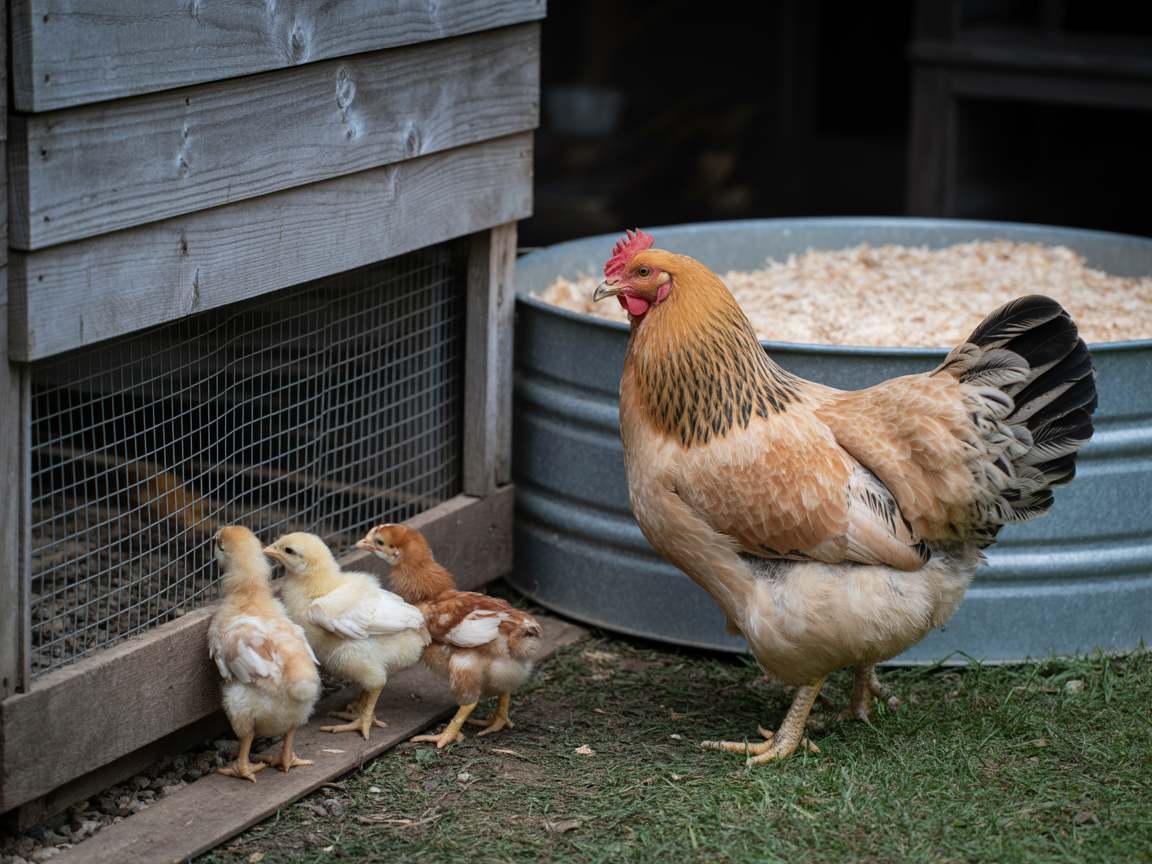
The hen that almost killed my first pullet wasn’t being vicious. She was just three times the pullet’s size, and I put them together because someone online said eight weeks was the magic number. That pullet lasted about four minutes before I was pulling her out with a torn comb and a lesson I should’ve learned from reading instead of from a bleeding bird. I’ve done this right since then. Here’s what that actually looks like.
Age Is the Wrong Metric. Size Is What Actually Matters
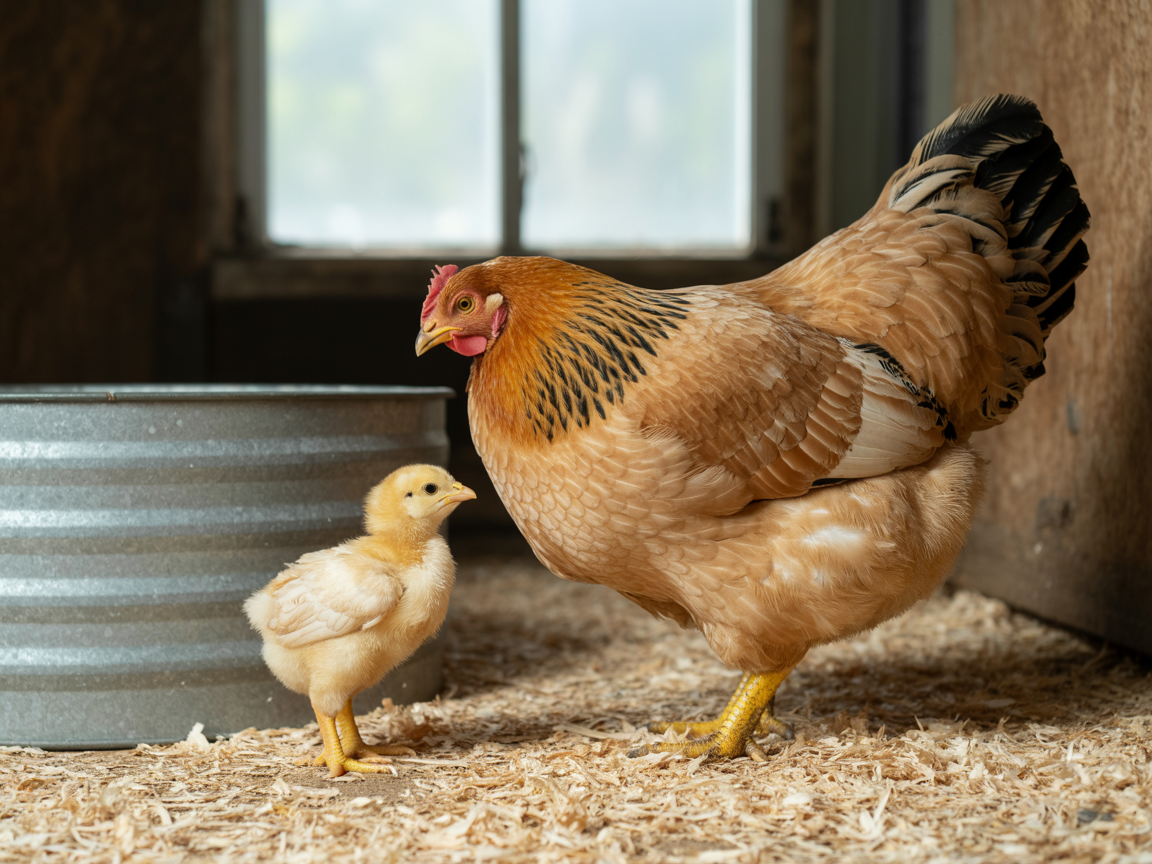
The “wait until six to eight weeks” advice is everywhere, and it is genuinely lazy. It treats age as a proxy for readiness when the thing that actually matters is how badly a four-pound hen can hurt a half-pound chick. And the answer is: very badly, very fast.
Setting eggs? The free egg incubation calculator gives the hatch date, candling days and the day to stop turning.
What I use instead is a rough body weight threshold. Your chicks should be within about one-third the weight of your smallest adult hen before they share any space without a barrier. A standard laying hen runs five to seven pounds depending on breed. That means you want chicks somewhere in the two-pound range before you start thinking about face-to-face contact. Not eight weeks. Two pounds.
A six-week-old Cornish Cross and a six-week-old Silkie are not the same bird. One of them might be close to integration weight. The other might not make it to ten weeks before it’s technically “old enough” by forum logic. The age rule falls apart the second you have a mixed-breed flock, which is most of us.
Weigh your chicks. Weigh your smallest hen. Do the math. That’s the rule now.
Build the See-No-Touch Pen Before You Do Anything Else
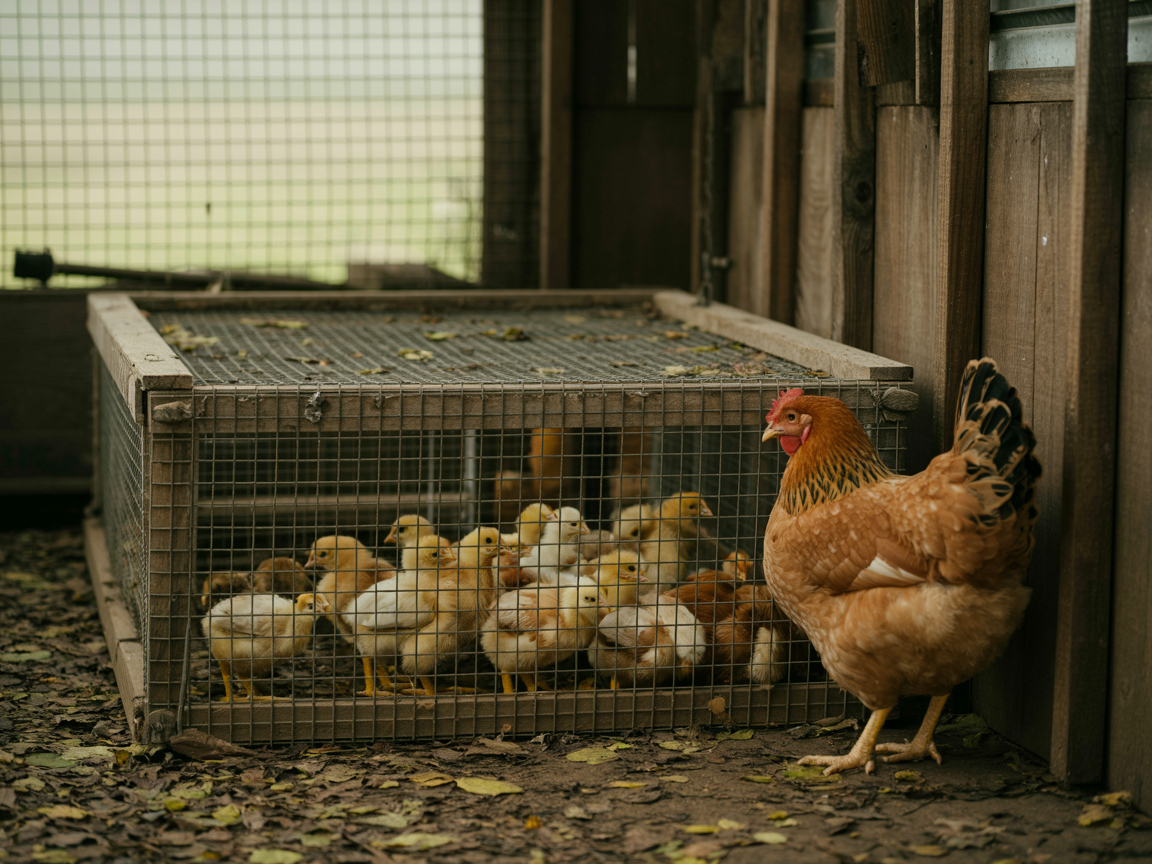
I built mine out of hardware cloth and scrap lumber the second time around. Not pretty. Functional. The point is that your chicks and your existing flock need to see each other, hear each other, and smell each other for a solid seven to ten days before anyone shares the same ground.

$23.74 In Stock
Paid link · price checked October 6, 2026 09:15
Use wire or hardware cloth with gaps no larger than one inch. Older hens will reach through wider gaps and grab whatever they can. I watched one of my hens pull a chick’s toe through a two-inch gap in a dog kennel panel I’d used as a temporary divider.
Size the pen so the chicks can actually move away from the wire. Minimum four square feet for up to six chicks. If they’re plastered against the back wall for ten days, they’re not getting comfortable, they’re just surviving. That’s not the same thing.
This stage feels pointless. You’re standing there watching chickens look at each other and wondering what it’s accomplishing. It is the most important thing you’ll do in this whole process. Anyone who tells you to skip it because you’re in a hurry is giving you bad advice, full stop.
Read next: My week-by-week guide to raising baby chicks
Sneaking Chicks in at Night. What It Actually Does and Doesn’t Do
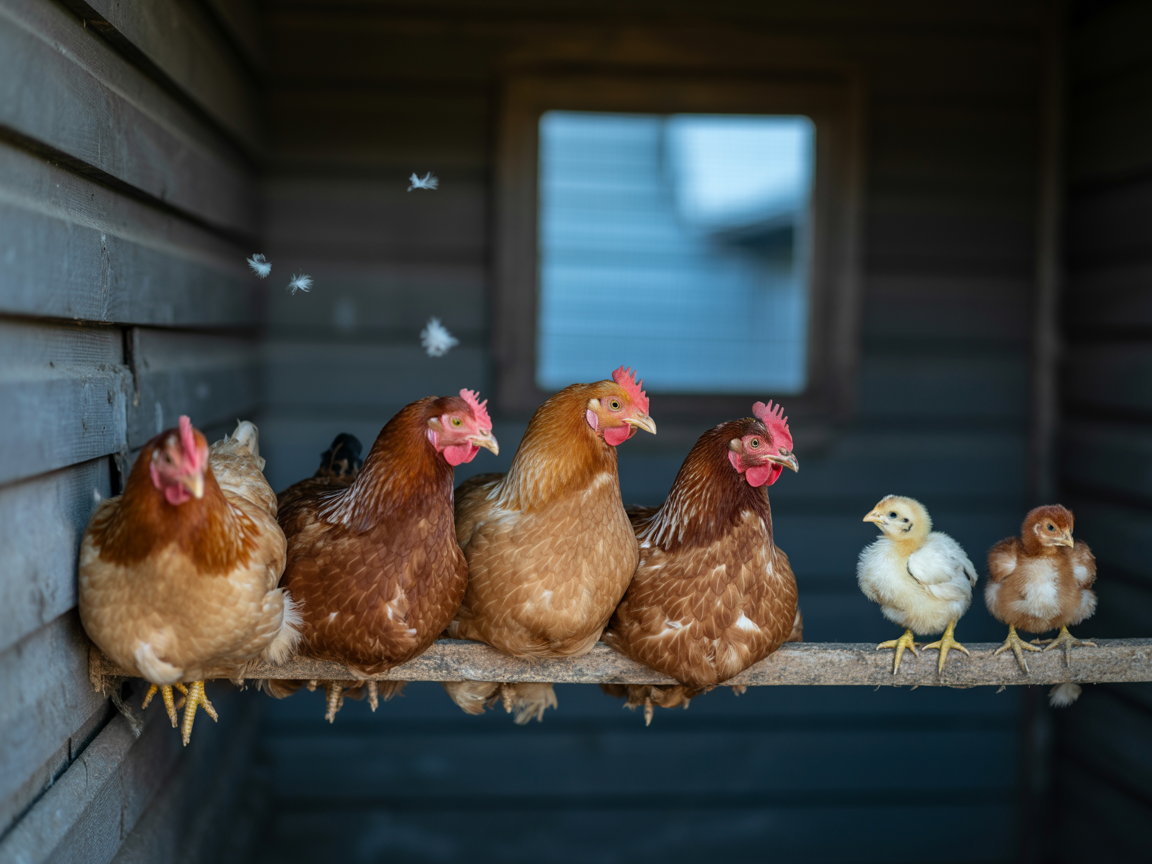
The nighttime introduction works on the idea that hens wake up calm, find the new birds already present, and just… accept them. And it does reduce some of the initial shock. I won’t say it does nothing.
But here’s what it doesn’t do: it doesn’t replace the see-no-touch stage, it doesn’t prevent the pecking order from being re-established, and it doesn’t protect an undersized bird from a dominant hen with a point to make. Your flock will sort the hierarchy out again as soon as they’re up and moving, however the introduction happened. The hens don’t wake up with amnesia. They wake up with the same social structure they had the night before, plus some strangers in the coop.
Nighttime introduction works best when the chicks are already close to adult size and have already done the full visual contact period. As a finishing move, fine. As a standalone strategy that skips everything else? That’s how people come out to a coop at sunrise and find a chick that didn’t make it through the morning.
Treat it like what it is: a small thing that might help at the end of a proper process. Not a shortcut.
Extra Feeders and Waterers Aren’t Optional
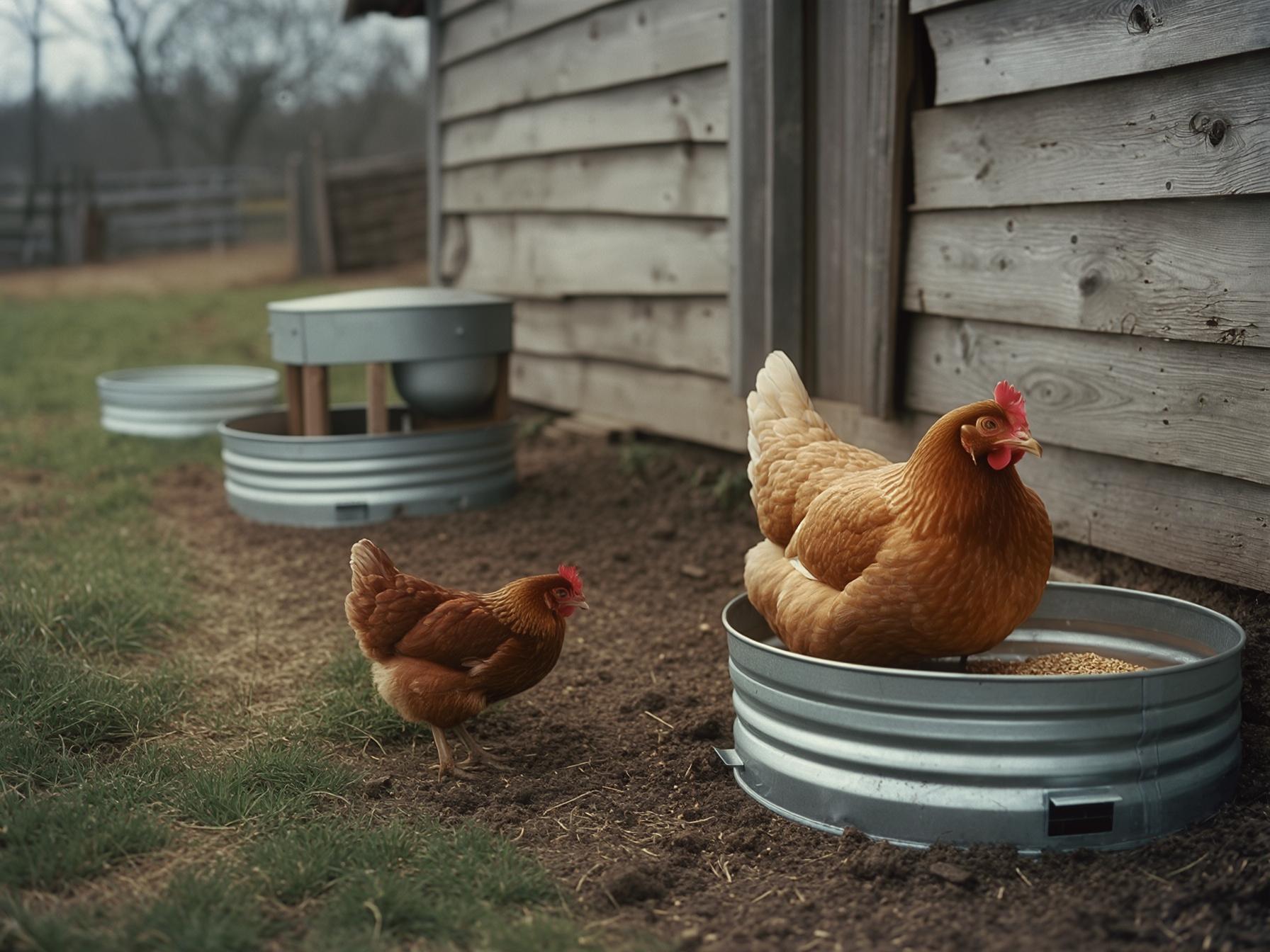
Resource competition is one of the biggest drivers of serious aggression during integration. A dominant hen doesn’t just want to establish rank, she wants to control the food. And if there’s one feeder and a smaller bird has to wait, that smaller bird is going to lose weight, lose energy, and lose the ability to handle whatever stress is coming next.
Add at least one extra feeder and one extra waterer for every three to four birds you’re introducing. Space them at least six feet apart so a bird that’s being kept away from one station can reach another. Put at least one at a height the chicks can access but that the big hens have to stoop for, or just put one low and one higher.
A bird that can’t reach food or water for several hours weakens fast. Faster than you’d think. And a weak bird gets picked on harder.
I ran one feeder for a mixed flock in transition once, early days, figured it’d worked fine before the new birds arrived. Three chicks lost enough condition in four days that I set integration back two full weeks getting them healthy again. More feeders is always better during the first two to three weeks. Pull the extras once things stabilize, but not before.
Read next: When chicks can actually go outside
| Age rule (common advice) | Weight rule (what actually matters) | |
|---|---|---|
| Readiness trigger | 6–8 weeks old | Chick reaches ~2 lbs (within one-third the weight of smallest hen) |
| Works for mixed-breed flocks | No — a 6-week Cornish Cross and a 6-week Silkie are not the same bird | Yes — weigh each chick individually |
| Accounts for hen size | No — ignores that a 5–7 lb hen can badly injure a half-pound chick | Yes — compares chick weight to smallest adult hen |
| What you need to do | Count weeks on a calendar | Weigh your chicks; weigh your smallest hen; do the math |
Bottom line: Age is a lazy proxy; body weight is the only metric that reflects how badly a larger hen can hurt a smaller bird.
Read next: When pullets start laying (and why yours might be late)
Clutter and Cover Save Lives. Bare Runs Make Integration Harder
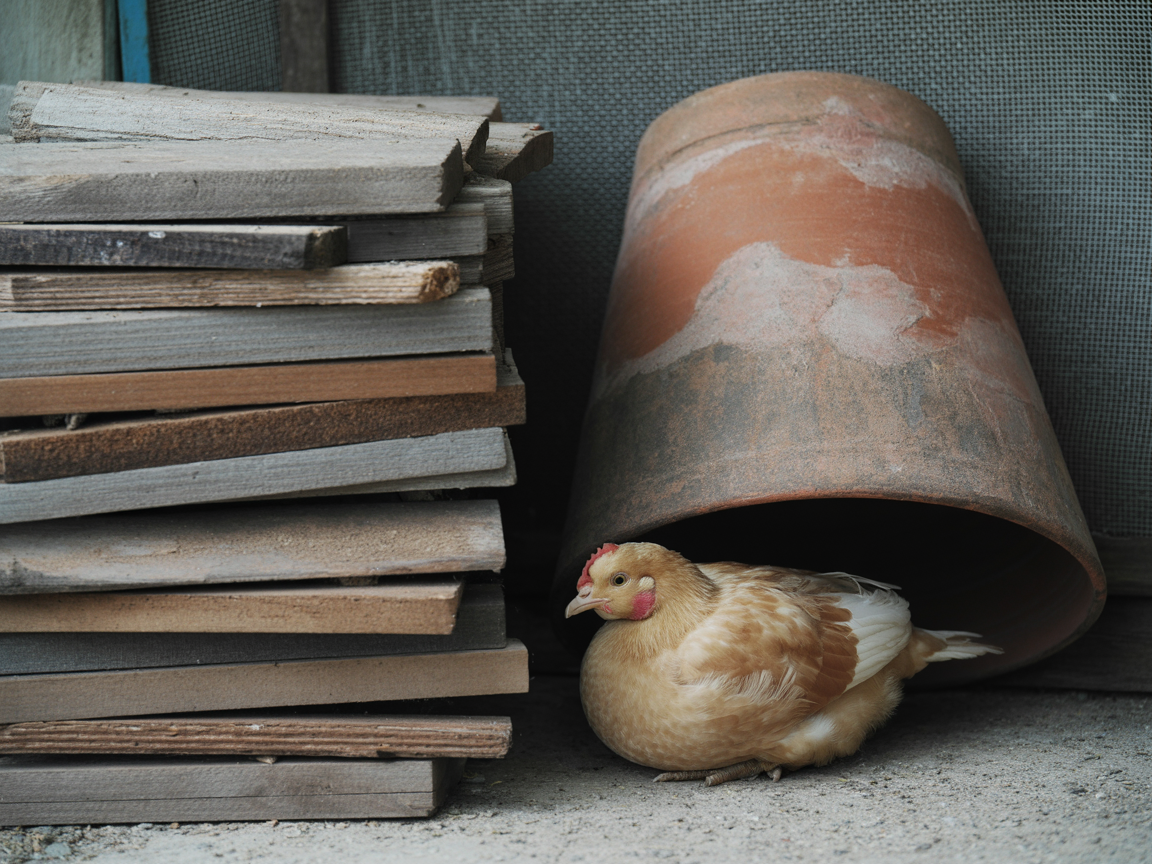
A clean run looks nice. It is a trap.
When you’ve got a dominant hen chasing a pullet, that pullet needs to disappear. Completely. Out of sight. Because a hen that can see her target will keep going. Line-of-sight interruption isn’t a fancy concept, it’s just physics: if the chick rounds a corner and the hen can’t see her anymore, the chase usually stops.
Before you open that barrier, put in two or three solid visual blocks. Pallets work. Plywood propped at an angle against the fence works. A large plastic crate on its side works. The shape doesn’t matter much. The point is that a small bird can fully disappear behind it.
You can pull all of it out after three to four weeks once the hierarchy has settled. It’s temporary. But skipping it because you want the run to look tidy is prioritizing aesthetics over your birds, and that’s a trade-off I don’t recommend.
Normal Pecking Order Behavior vs. an Actual Attack
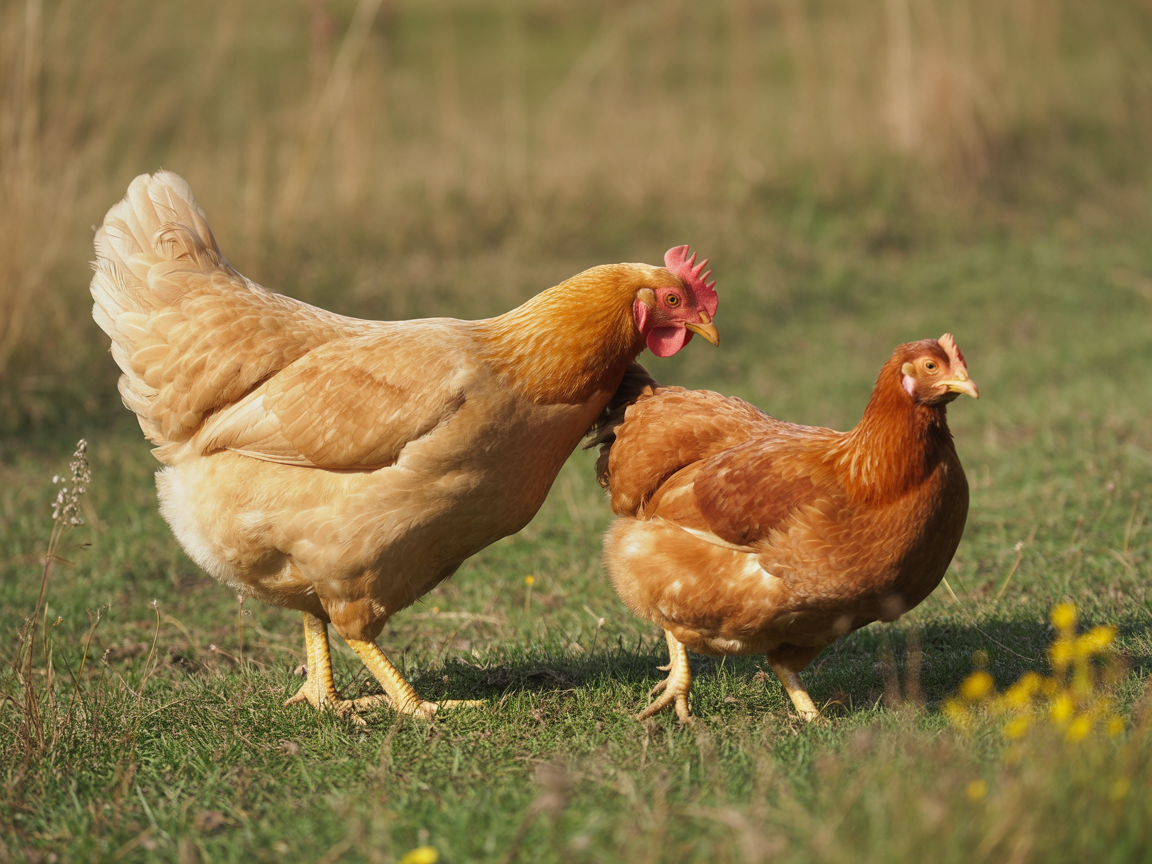
Some pecking is not a problem. I want to say that clearly because the reflex to intervene every time a hen looks sideways at a pullet will make you miserable and keep your flock unsettled for twice as long as necessary.
Normal dominance behavior looks like this: a hen pecks a smaller bird, the smaller bird moves away, the hen moves on. It’s over in under five seconds. Nobody is bleeding. The smaller bird isn’t being cornered. This is the pecking order doing exactly what it’s supposed to do, and if you break it up, you’ve just delayed it. It will happen again tomorrow.
An actual attack looks different. Sustained chasing. Pinning a bird to the ground or against a wall. Repeated pecking to the same spot, usually the head or back of the neck. Multiple hens on one bird. That’s not hierarchy, that’s injury happening in real time.
Watch for ten minutes at first morning light. That is when the social structure gets tested hardest, every single day during integration. If you only check at noon when everyone’s calm and scratching, you’re missing the window that matters most.
If what you’re seeing is a peck and a retreat, leave it alone. If what you’re seeing is a bird that can’t get away and is taking hits from multiple directions, step in.
Read next: Run enrichment that actually stops boredom pecking
Blood Changes Everything. Here’s What to Do Immediately
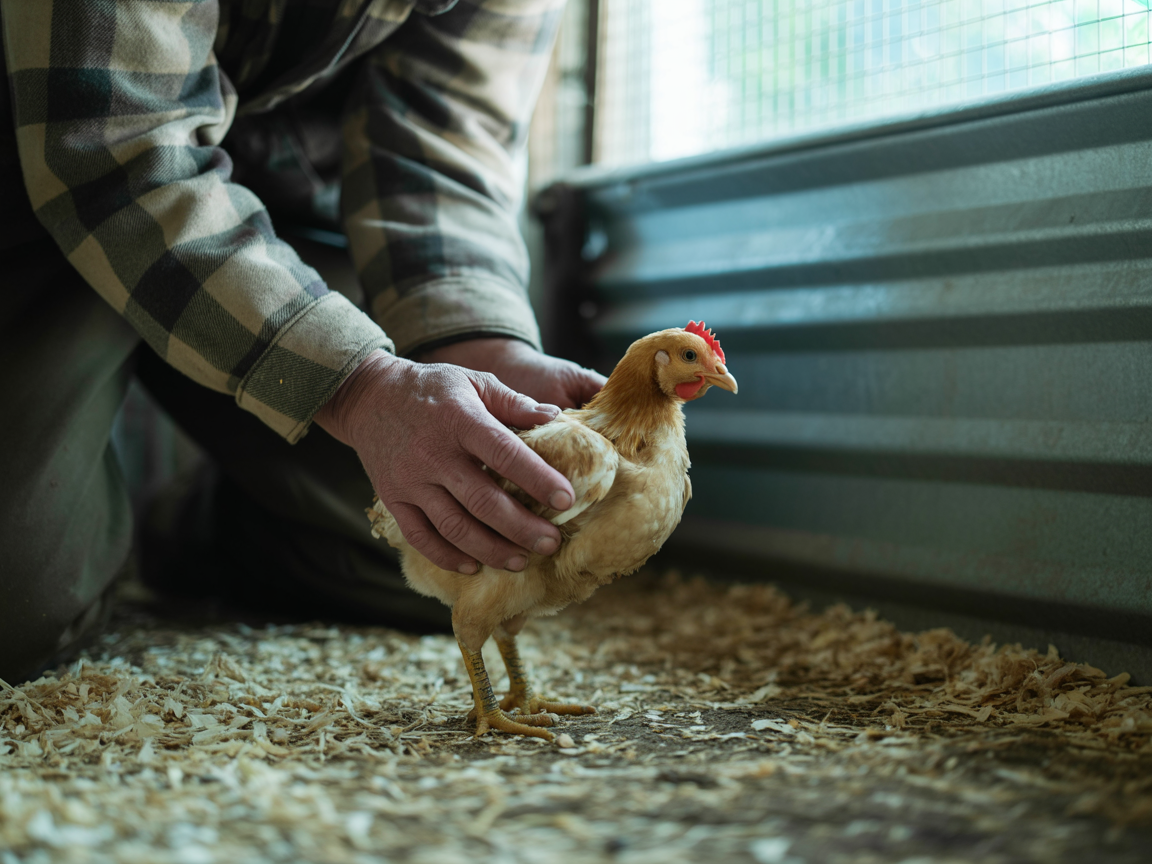
If you see blood, the situation has changed. This is not the time to watch and wait.
Chickens are attracted to the color red and they will pursue and peck a bleeding bird. This isn’t aggression in any meaningful sense, it’s instinct, and it escalates fast. What starts as a small wound from a single hen becomes something much worse within minutes once the flock zeros in on it.
Remove the bleeding bird immediately. Don’t tell yourself the others will settle down. They won’t. Get the bird out.
Apply pressure first to stop the bleeding. Then cover the wound with a dark-colored wound spray before any future reintroduction, something that visually masks the red. Blu-Kote is what I keep on hand, runs about $8 at most feed stores. Clear antiseptic alone won’t do it because the problem is the color, not just the open wound. Do not return that bird to the flock until the wound is fully healed and no longer visible. Not scabbed over. Healed. A scab reads as red too.
Keep the recovered bird in visual contact with the flock during healing if you can so you don’t lose all the progress from the see-no-touch stage. But don’t rush the return. A bird that gets reintroduced too early with a visible wound will get hit again, and by that point the other hens have learned to target her.
A bleeding bird in a flock is not a pecking order problem anymore. Treat it like the emergency it is.
Patience Is the Actual Strategy. What a Realistic Timeline Looks Like
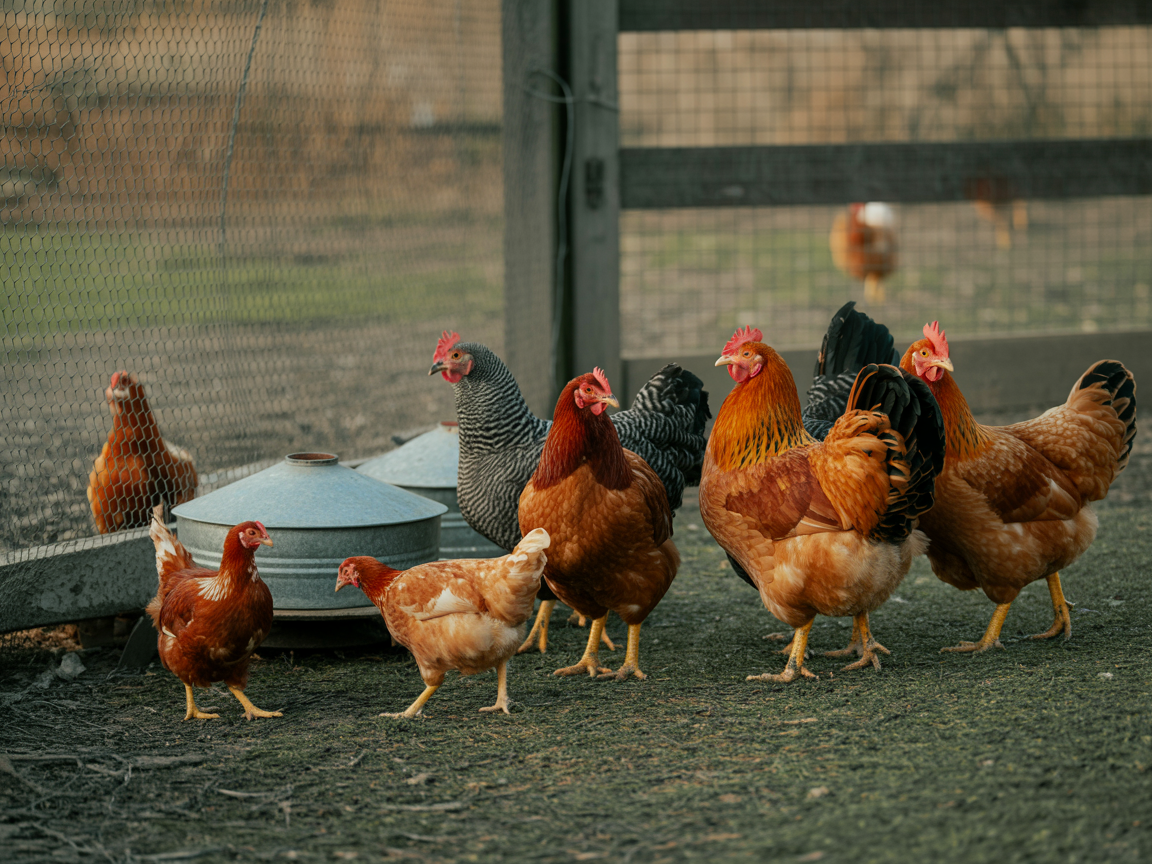
Full integration, from first visual contact to stable coexistence, typically takes three to six weeks. That’s the realistic window. Not three days because you got lucky and your hens are laid-back, not ten weeks because you’re nervous about everything. Three to six weeks with size-matched birds and a proper setup.
The see-no-touch stage alone should run at least seven to ten days. When you open that barrier for the first time, expect the most intense activity in the first four days of shared space. It usually looks bad. Lots of chasing, lots of posturing. If you’ve done the size-matching and the visual contact period, it almost always settles significantly by week two.
Don’t declare it done after a few calm days and start pulling feeders and cover too soon. Calm days happen and then a bird has a bad morning and the hierarchy gets retested. Leave the extra feeders in, leave the visual blocks in, keep watching at morning light. When you’ve had two full weeks of stable, boring coexistence, then you can start scaling back.
Every day you rush is a day you’re gambling with a bird that can’t defend itself. That math has never worked out in my favor, and I’ve tried it more than once.
Related read: How to Raise Chickens for Eggs — Instant PDF download. Secure checkout by Stripe