Most backyard keepers are turning their coops into fly-breeding pits by tossing half-eaten rinds directly onto the dirt floor. I’ve seen it a dozen times. You think you’re being kind, giving them a “treat,” but you’re really just inviting every rat and blowfly in the county to set up permanent residence under your coop. If you’re going to feed your birds watermelon, you have to do it with a plan, or you’re just making your own life harder.
Rind versus Flesh: Nutritional Reality Check
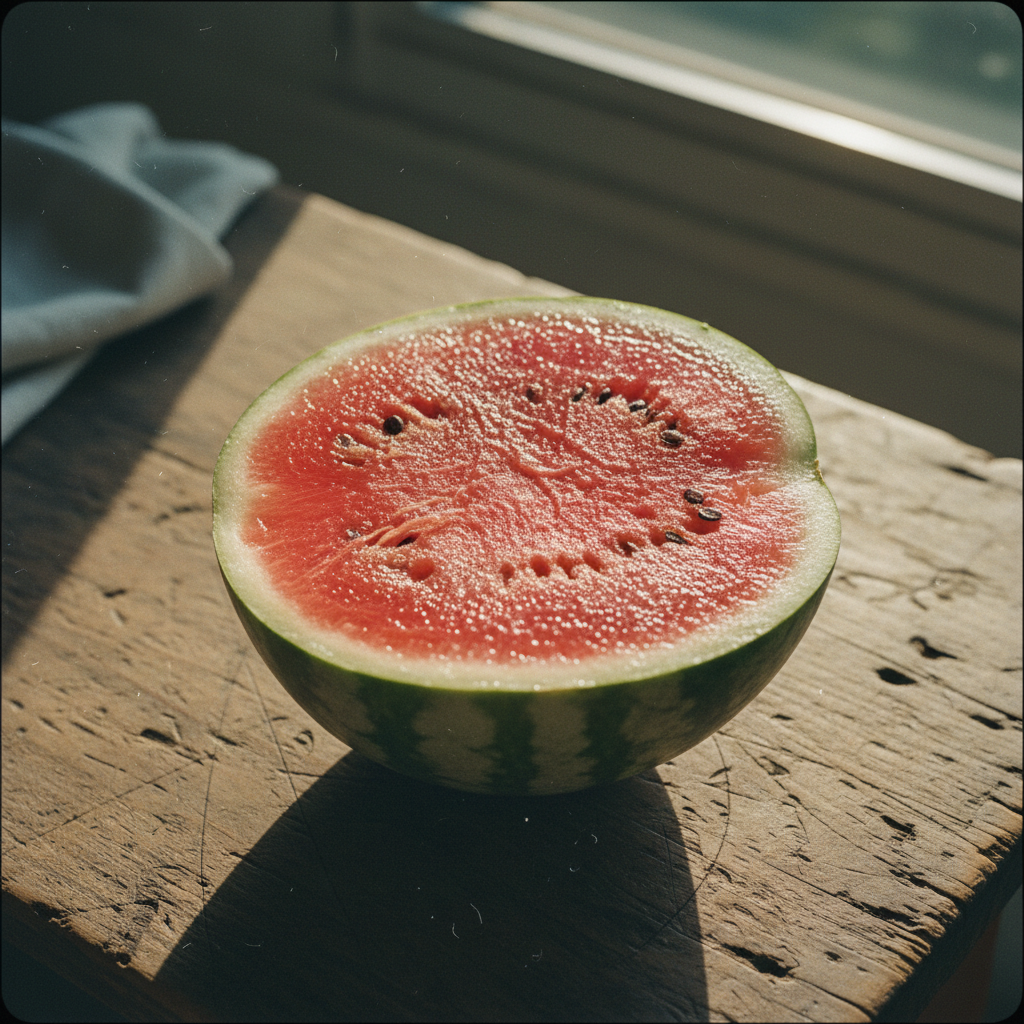
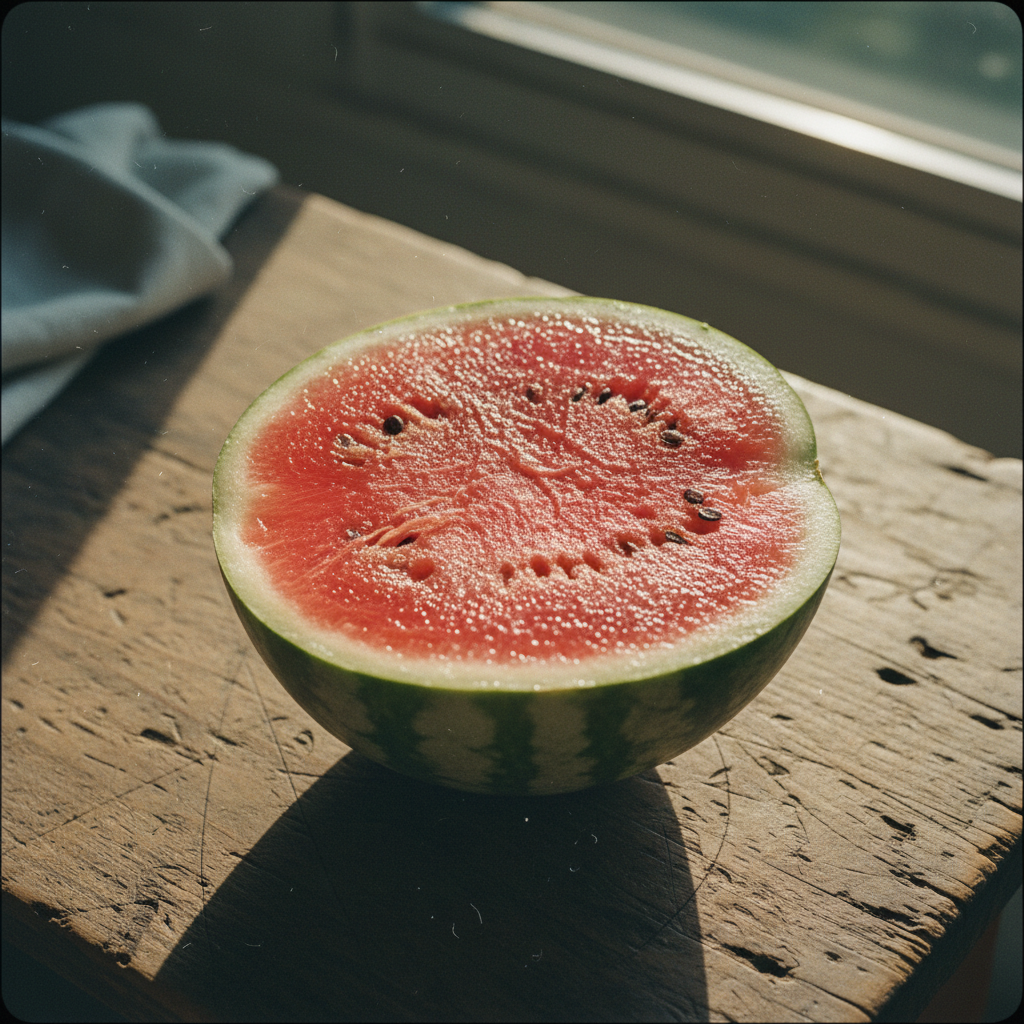
People get it backward. Everyone thinks the bright red flesh is the prize, but that’s basically just sugary junk food for a chicken. It’s about 6% sugar, which doesn’t do a thing for a bird’s long-term health. The real value is in the rind. That tough, green-and-white stuff holds about 0.5 grams of fiber per ounce. That’s what actually helps their digestion. If you’re only giving them the flesh, you’re filling them up on empty calories and skipping the part that actually acts as a bit of a nutritional supplement. I’ve stopped bothering to scoop the red parts out. Just cut the whole wedge and let them work for the fiber.
Freezing Strategies for Heat Stress Relief
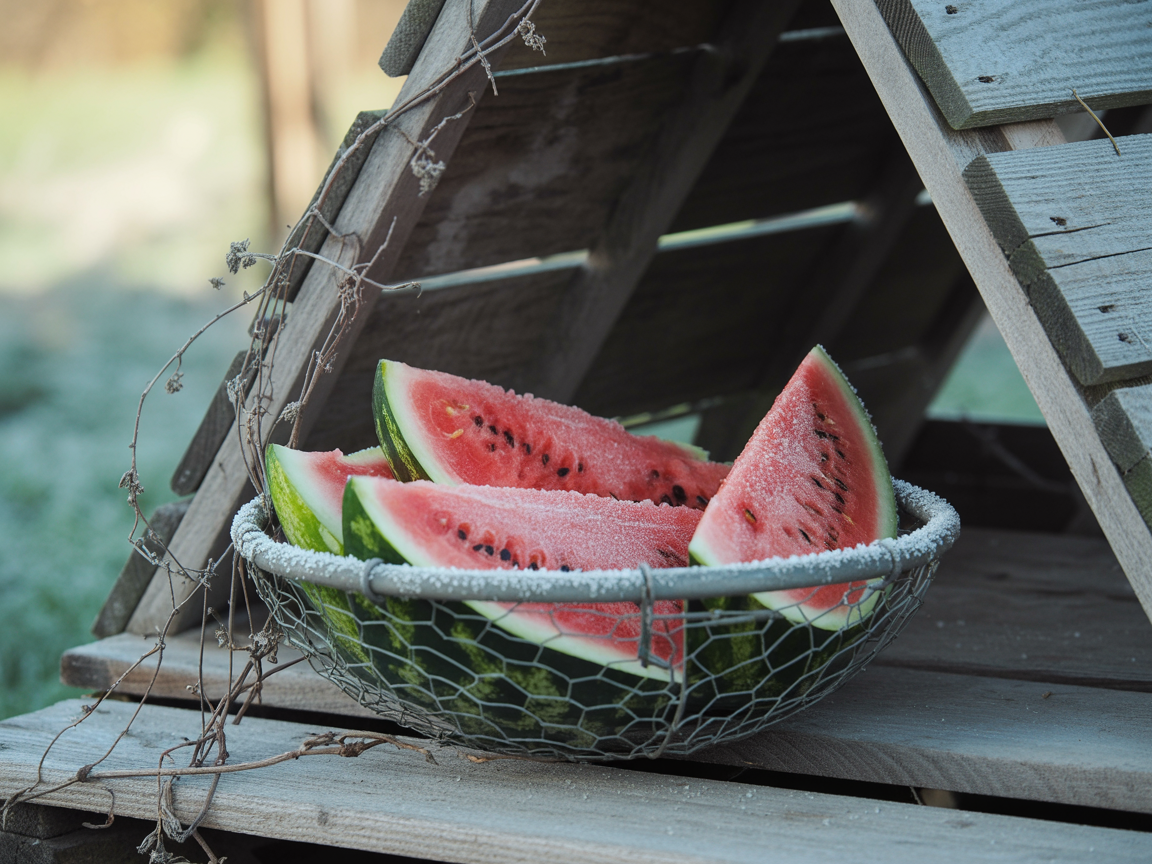
Never, ever toss a room-temperature melon chunk into the run. It’ll be covered in flies within forty-five minutes, and honestly, that’s just asking for an infestation. My method is to prep it and then shove the wedges into the chest freezer at -18 degrees Celsius. When it’s partially frozen, it’s a legitimate tool for cooling them down. But here’s the catch: you can’t leave it out there forever. Two hours of outdoor exposure is the absolute maximum. If it’s still sitting there after that, it’s turned into a lukewarm, mushy breeding ground for pathogens. Pull it out. Toss it. Don’t be lazy.
Portioning Limits for Adult Flocks
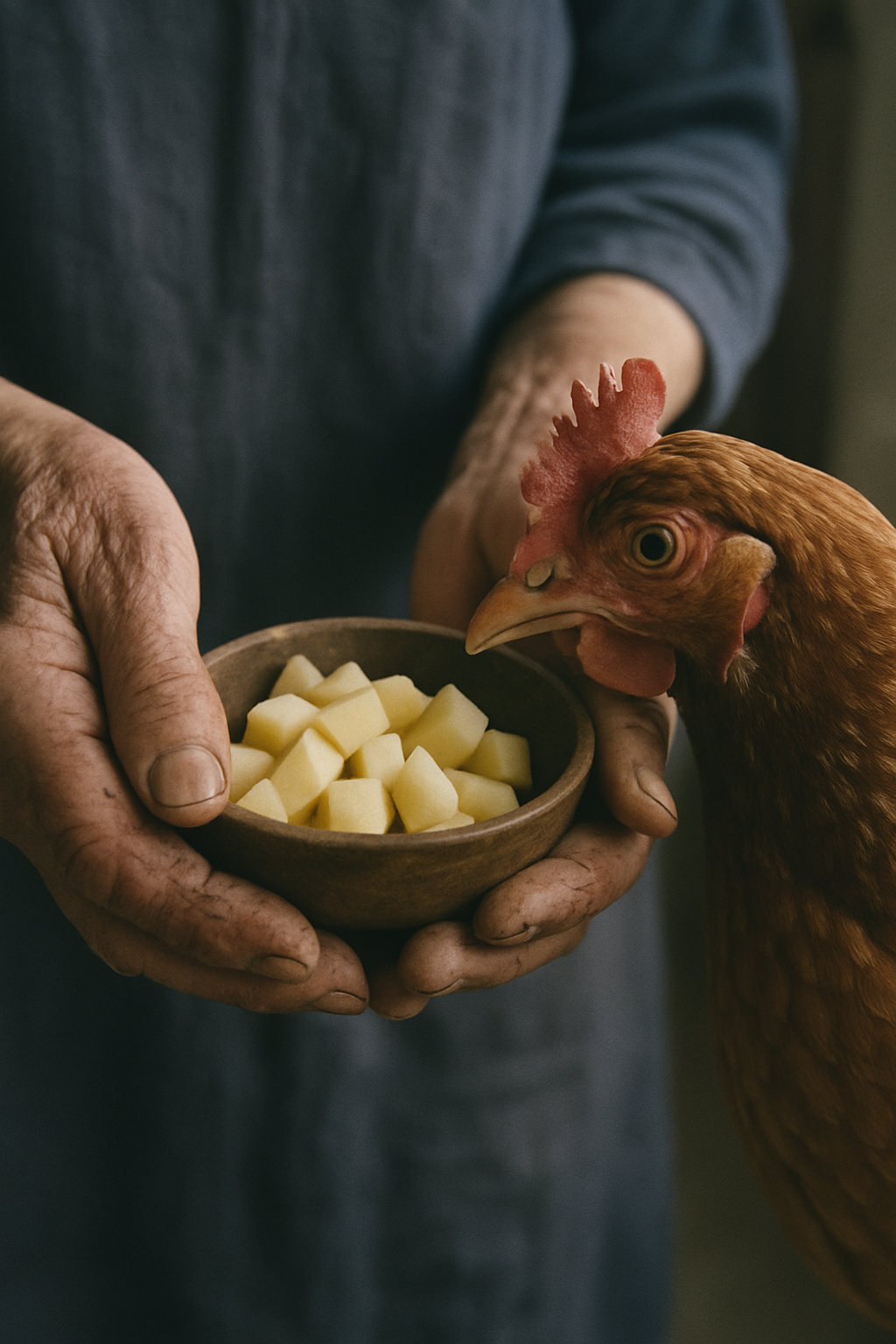
You don’t need to dump half a melon in the coop. That’s a mistake I made back in my second year, and I paid for it with a week of scrubbing the run floor. Aim for about 1/4 cup of fruit per hen. That’s it. And don’t do it every day, either. Twice a week is the limit. Think of this as a medicinal thing—a way to get some extra liquid in them during a nasty July heatwave—not as a primary food source. They don’t need more than that to stay hydrated, and anything beyond that is just a gamble with their gut health.
Scrubbing Rinds to Prevent Pesticide Ingestion
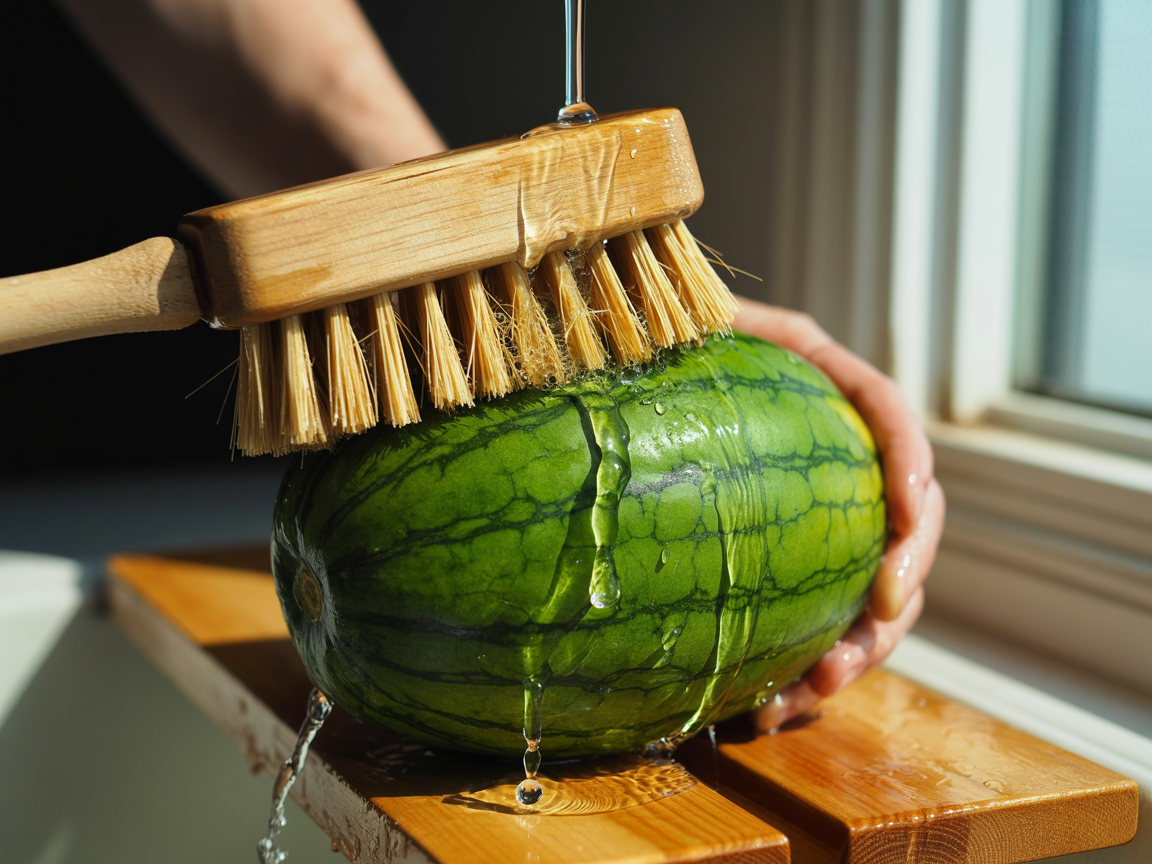
We tend to forget that rinds are the part of the fruit that spent its whole life sitting in the field absorbing whatever spray the farmer put on it. I don’t trust the grocery store wash. I use a simple 1:3 vinegar-to-water cleaning ratio and a stiff scrub brush. It takes two minutes, and it keeps me from wondering if I’m feeding my girls a dose of chemicals that’ll show up in my breakfast eggs. It’s a small step, but I’ve learned that the “clean enough” approach usually ends up biting you in the rear end later.
Ditching the Messy ‘Toss-in’ Method
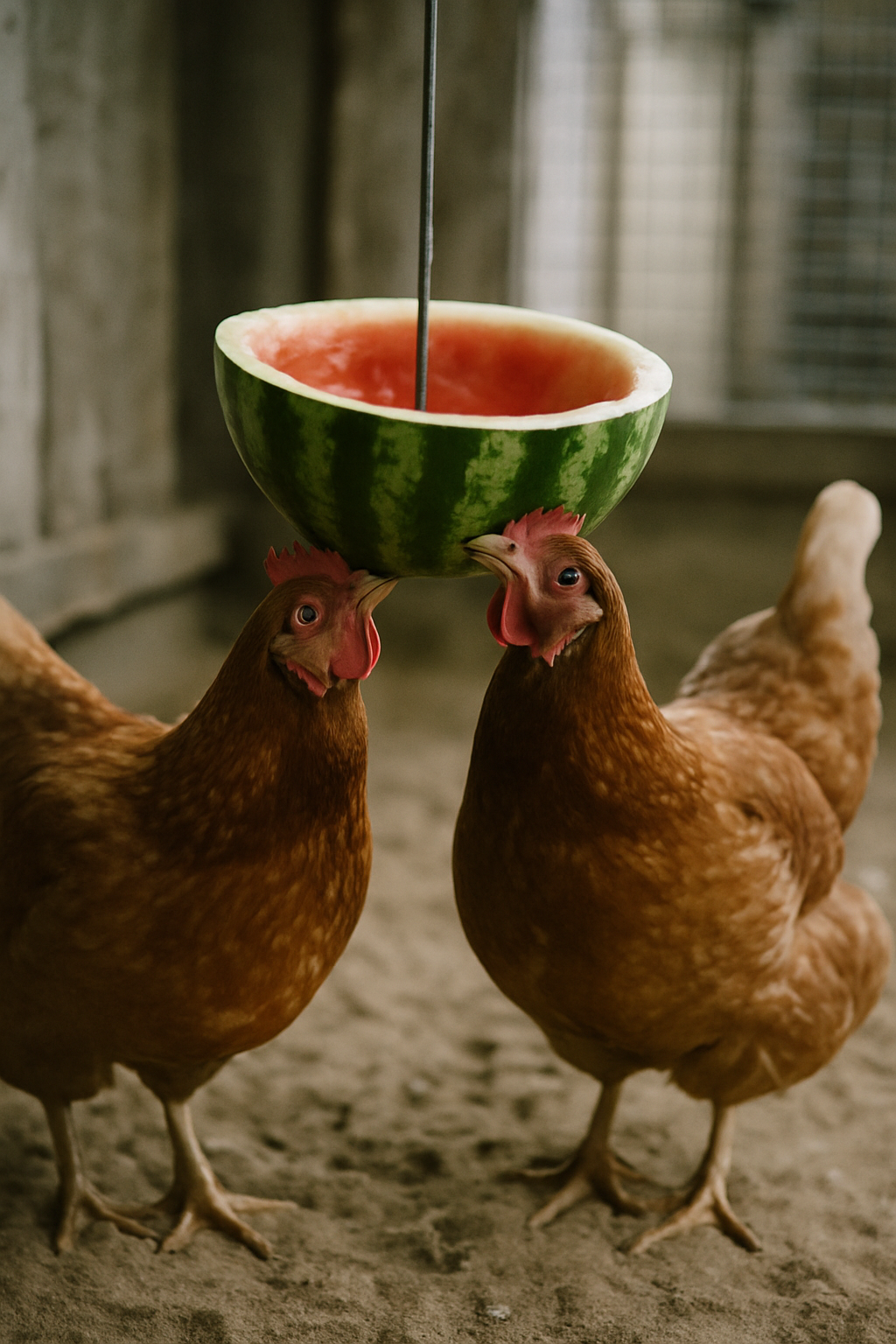
Stop throwing fruit directly into the bedding. Seriously. It just gets trampled into the dirt, mud, and poop. Within ten minutes, your “treat” is a contaminated sponge. I built a simple rack using a 12-inch metal skewer. I hang it about 3 inches off the ground. That way, the birds have to peck at it like they would a hanging cabbage, and it stays off the floor. Moisture control in poultry bedding is managed by ventilation, substrate depth, and drainage, not by the physical presentation of high-moisture fruit.
Seeds: Toxic or Beneficial?
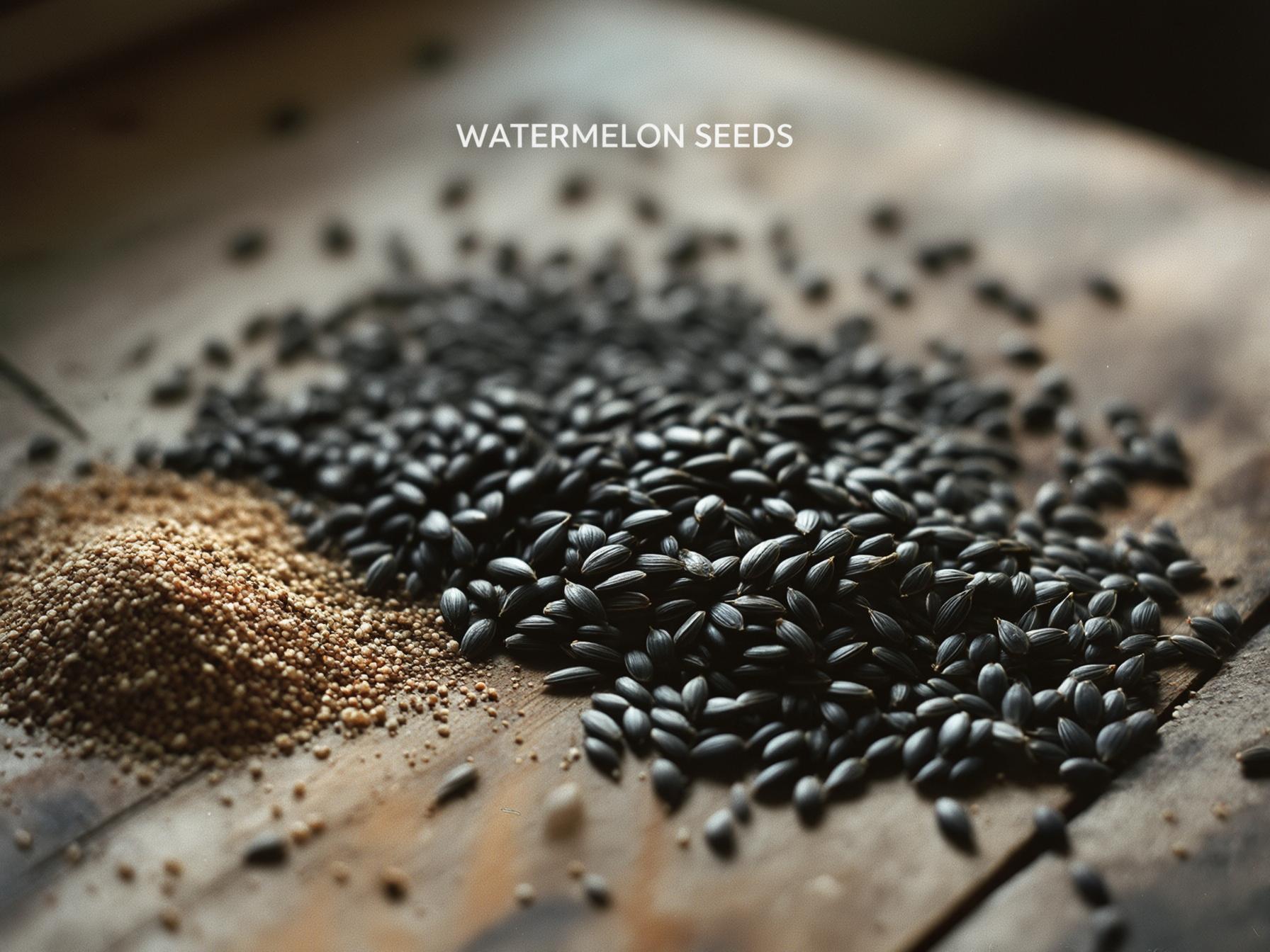
I see people online spending hours picking seeds out of watermelon like they’re preparing a five-star meal for a toddler. It’s a total waste of your time. There’s been zero instances of recorded watermelon seed toxicity in poultry. Not one. My hens have been eating seeds for eight years, and they pass them through just fine. They act like extra roughage. Stop worrying about the seeds; your birds have a gizzard for a reason. Let them handle the work.
Managing Pests After Feeding
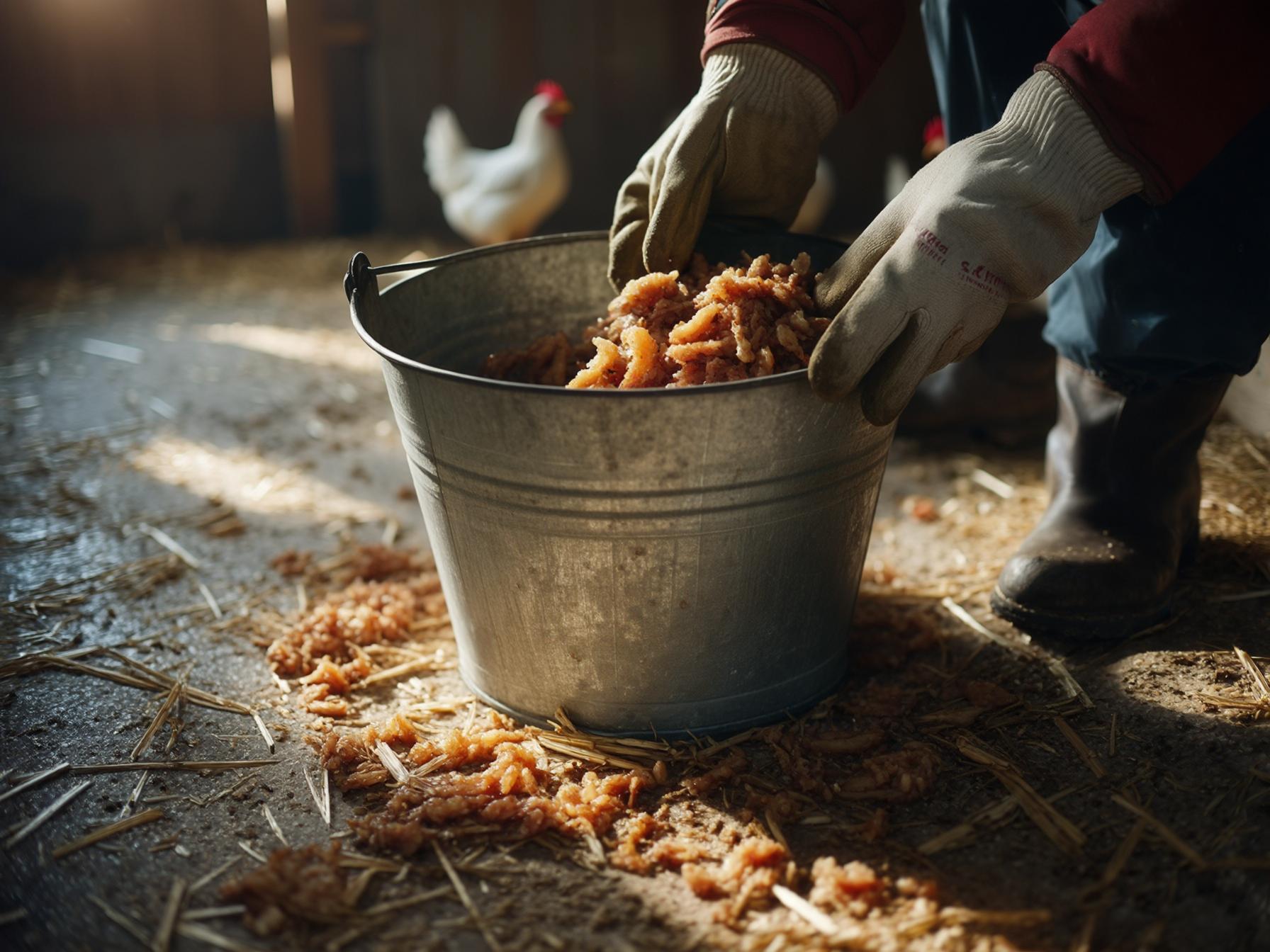
This is the non-negotiable part. If you feed them watermelon, you have to be ready to clean it up. I give my flock exactly 15 minutes to pick at the rind once they’ve finished the flesh. After that, I’m out there with a bucket, taking the remnants to the compost heap. If you leave those rinds sitting in the coop overnight, you’re just feeding the raccoons and the mice. If you’re not willing to commit to the 15-minute cleanup window, don’t bother feeding it at all. It’s not worth the rodent problem.
Signs Your Flock Overindulged
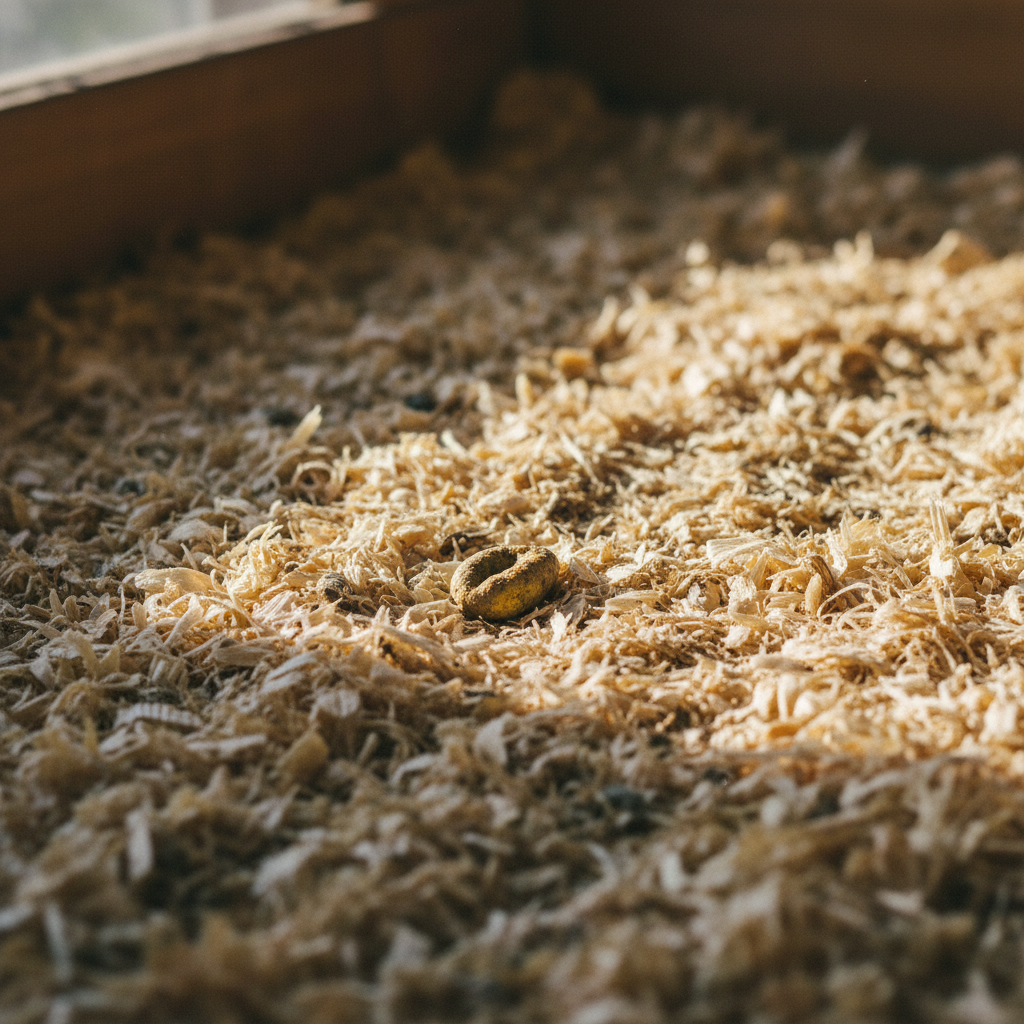
Watch the manure. That’s the only way to know if you went too far. If you notice a 30% increase in water content in their droppings—basically, if things are looking soupy or pale—you’ve given them too much fruit. You’re actively degrading their gut flora when you push it that far. It’s easy to think “more is better” when they’re gobbling it up, but a bird’s digestive tract isn’t built for a high-water, high-sugar diet. Adjust your portions immediately if the poop starts changing texture.
Alternative Hydration Sources to Compare
I’ve looked at the cost of those commercial electrolyte packets. They run about $4.50 a gallon if you’re buying the name-brand stuff. Using watermelon scraps is basically free, which is nice, but don’t kid yourself—it’s not a perfect replacement for a balanced electrolyte additive. The fruit gives them quick water, but it doesn’t give them the precise mineral profile they need during a real crisis. Use the watermelon for a boost, but keep a proper electrolyte mix on hand for when it’s truly needed. Relying on fruit as your only hydration strategy is a recipe for a mineral deficiency.
Preserving Rind for Winter Use
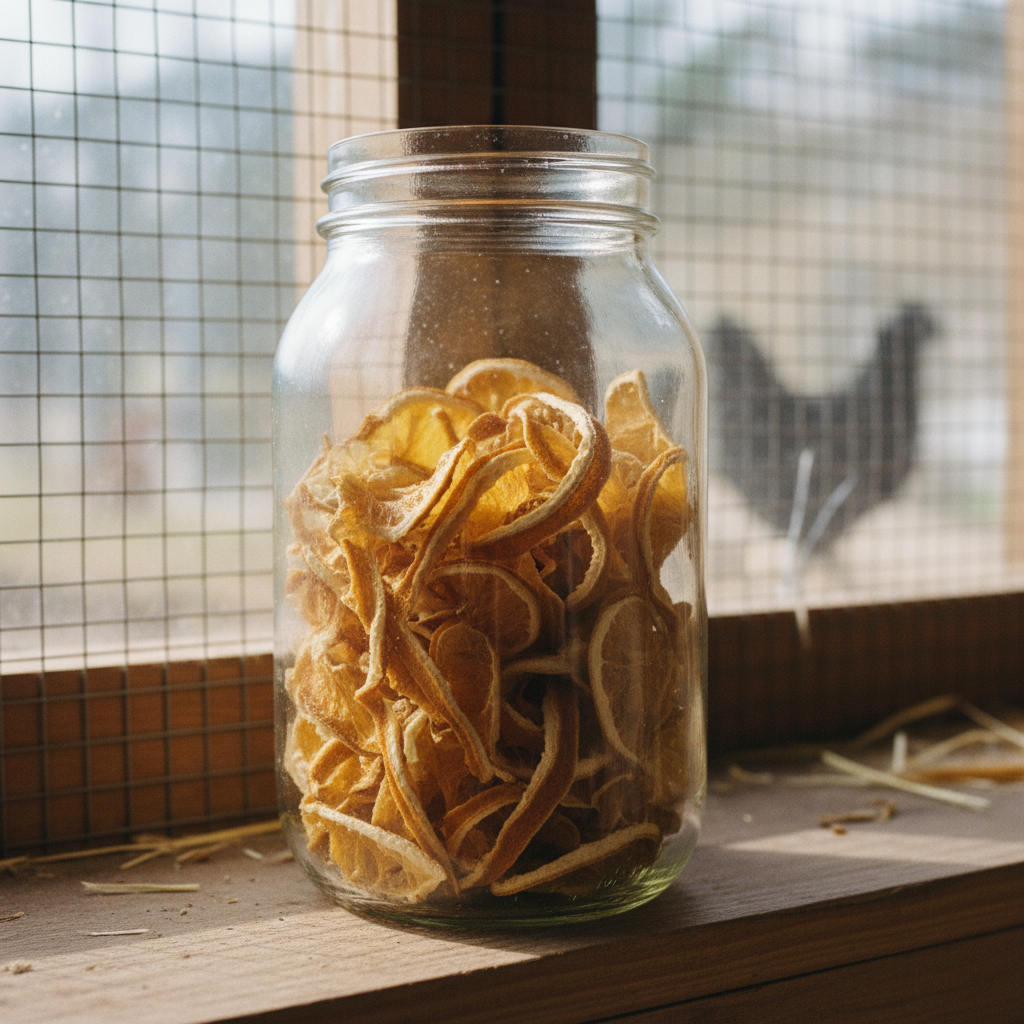
Don’t throw those rinds in the compost come August. If you’ve got a dehydrator, put those rinds to work. I run mine at 135 degrees Fahrenheit for about 6 hours. It turns the rind into a hard, fibrous chip that you can store in a jar for months. In the middle of January, when the ground is frozen and the girls are bored, these are a lifesaver. They get the crunch and the fiber they crave without the massive sugar spike that comes from fresh fruit. It’s a way better use of the leftovers than just watching them rot in the pile.