
Most chicken hacks you’ll find are somebody’s first month of keeping birds, written up as though it worked. Some of these did work for me. A couple did not, and I’ve said so, because a hack that costs you a bird isn’t a time saver. I keep 12 hens and 1 rooster in a coop I built badly and then fixed twice. Here’s what actually cut my chore time, and what I’d skip.
Roost bars: wide side up

Use a 2×4 with the 4-inch face pointing up. Not a round dowel, not a broom handle.
A chicken doesn’t grip a perch the way a songbird does. She squats. And on a flat bar she can sit right down on her own feet, which in winter is the difference between warm toes and frostbitten ones.
Pallet racking beams work well for the same reason. They’re flat, they’re stiff over a long span, and they’re usually free behind a warehouse.
Sand the edges. That’s a 5 minute job and it saves a lot of scraped breastbone.
Liners in the nest boxes
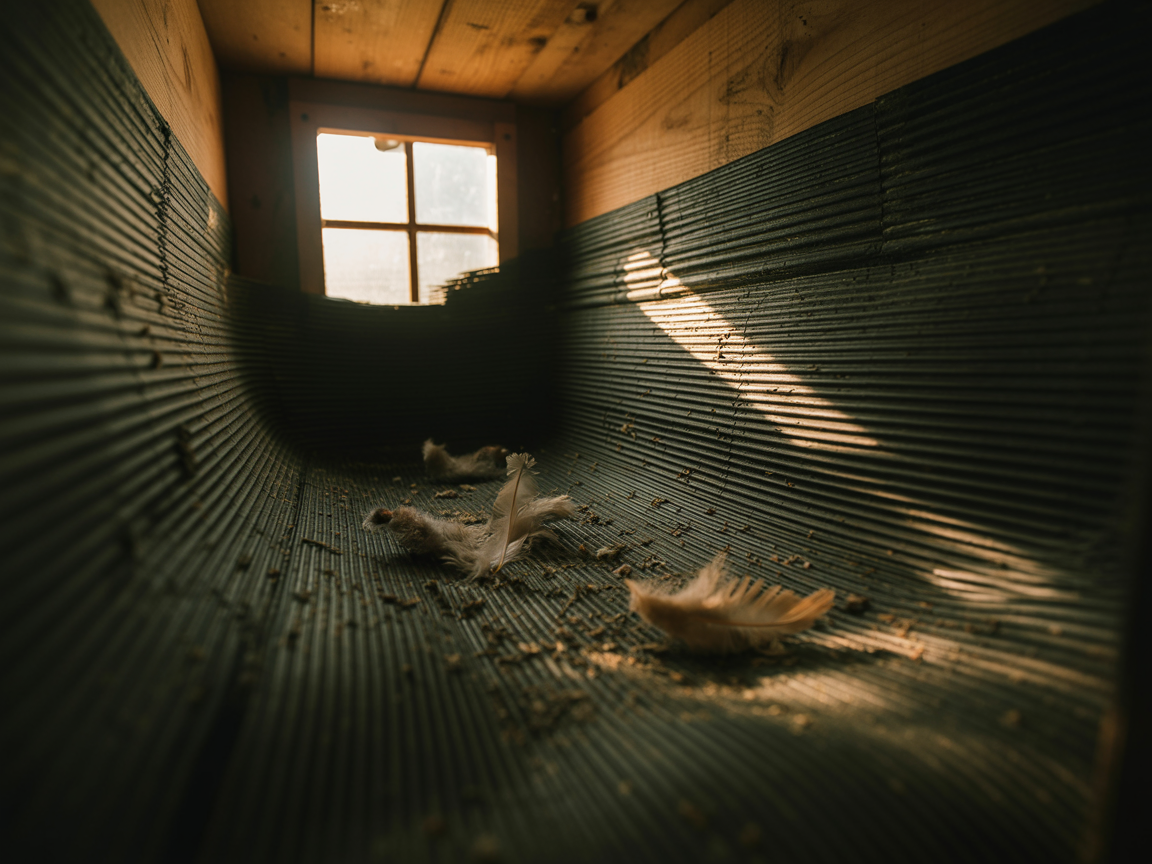
A cut-to-size rubber liner in the bottom of each box means you lift it out, hose it, drop it back. No scrubbing the box itself.
Scrap conveyor belting is ideal if you can get hold of it. Heavy rubber, easy to cut, lasts years.
You still need bedding on top. The liner isn’t the nest, it’s the thing under the nest.
Saves me maybe 10 minutes a week. Small, but it’s 10 minutes I was spending on my knees.
Gravity feeders and the rodent problem
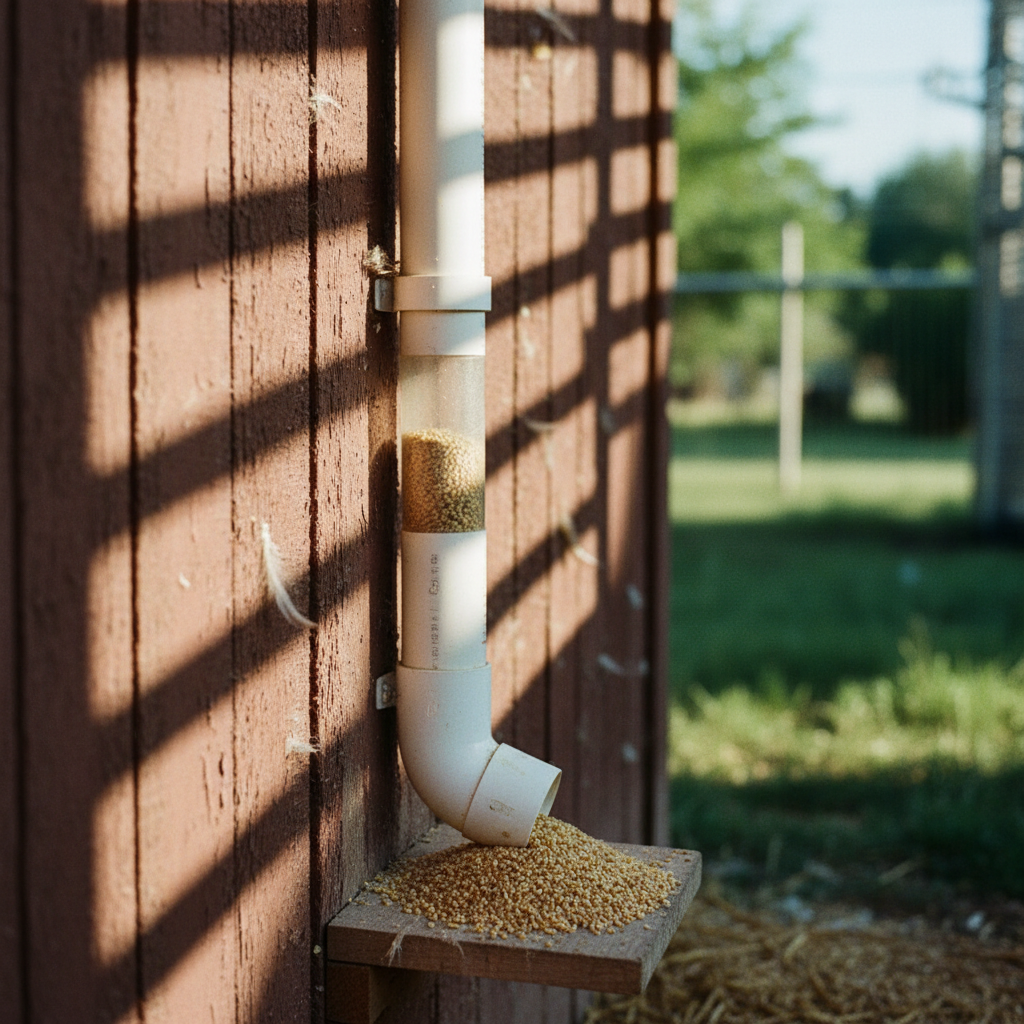
A length of 4-inch PVC with an elbow at the bottom holds a couple of days of feed and refills itself. Cheap to build, genuinely useful.
But an open port at floor height is an open invitation. Mice found mine inside a fortnight, and where mice go, rats follow.
So mount the port at about the height of your hens’ backs. They’ll reach up for it comfortably. A mouse has to work much harder.
And bring the feed in at night if you’ve already got a rodent problem. No feeder design fixes that on its own.
Wheels on the run
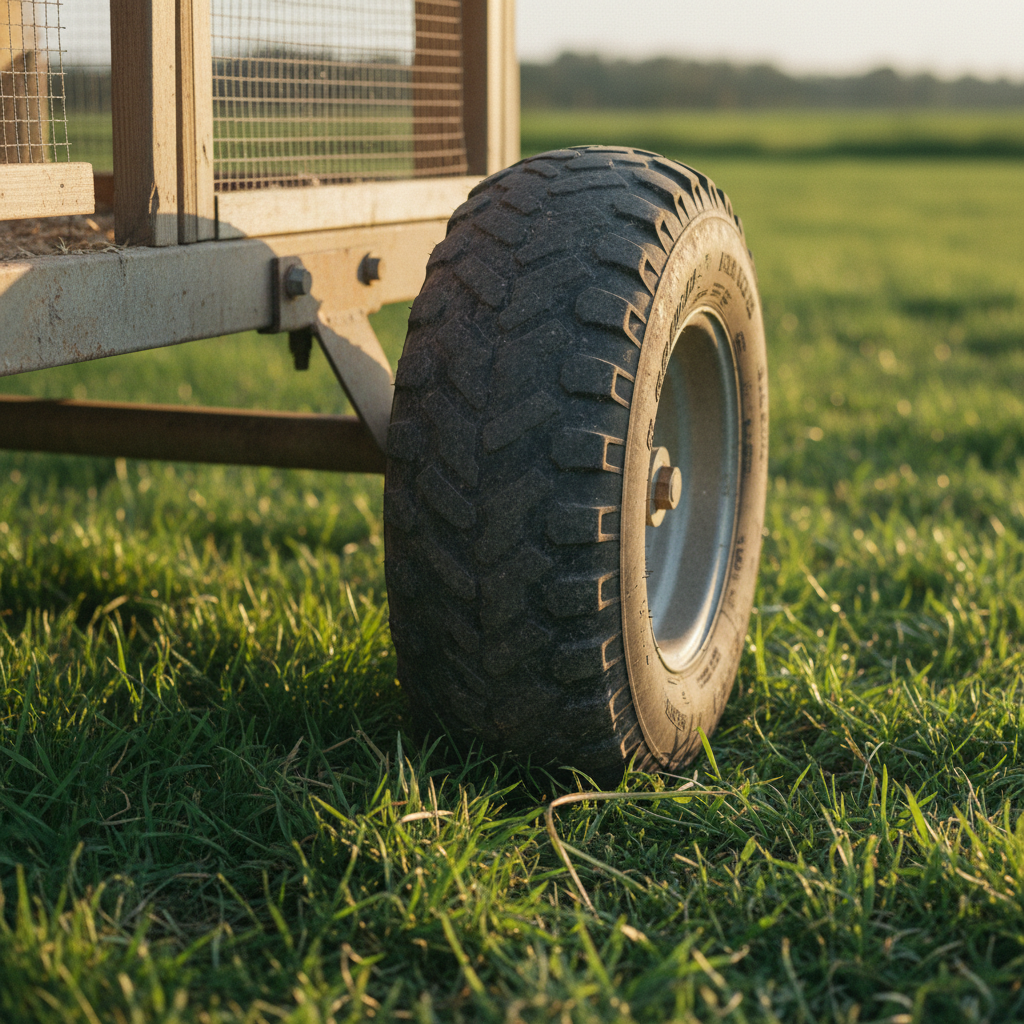
If your run is small enough to move, put 2 lockable casters on one end and a handle on the other. Wheelbarrow style. Lift, roll, drop.
Moving it every few days gives you fresh ground and stops the birds turning one patch into bare mud. That’s less mucking out for you and better forage for them.
Get the big rubber casters, not the little hard plastic ones. Small wheels sink into wet grass and then you’re dragging.
Mine cost about $12 each and they were worth it inside a month.
Latches a raccoon can’t work
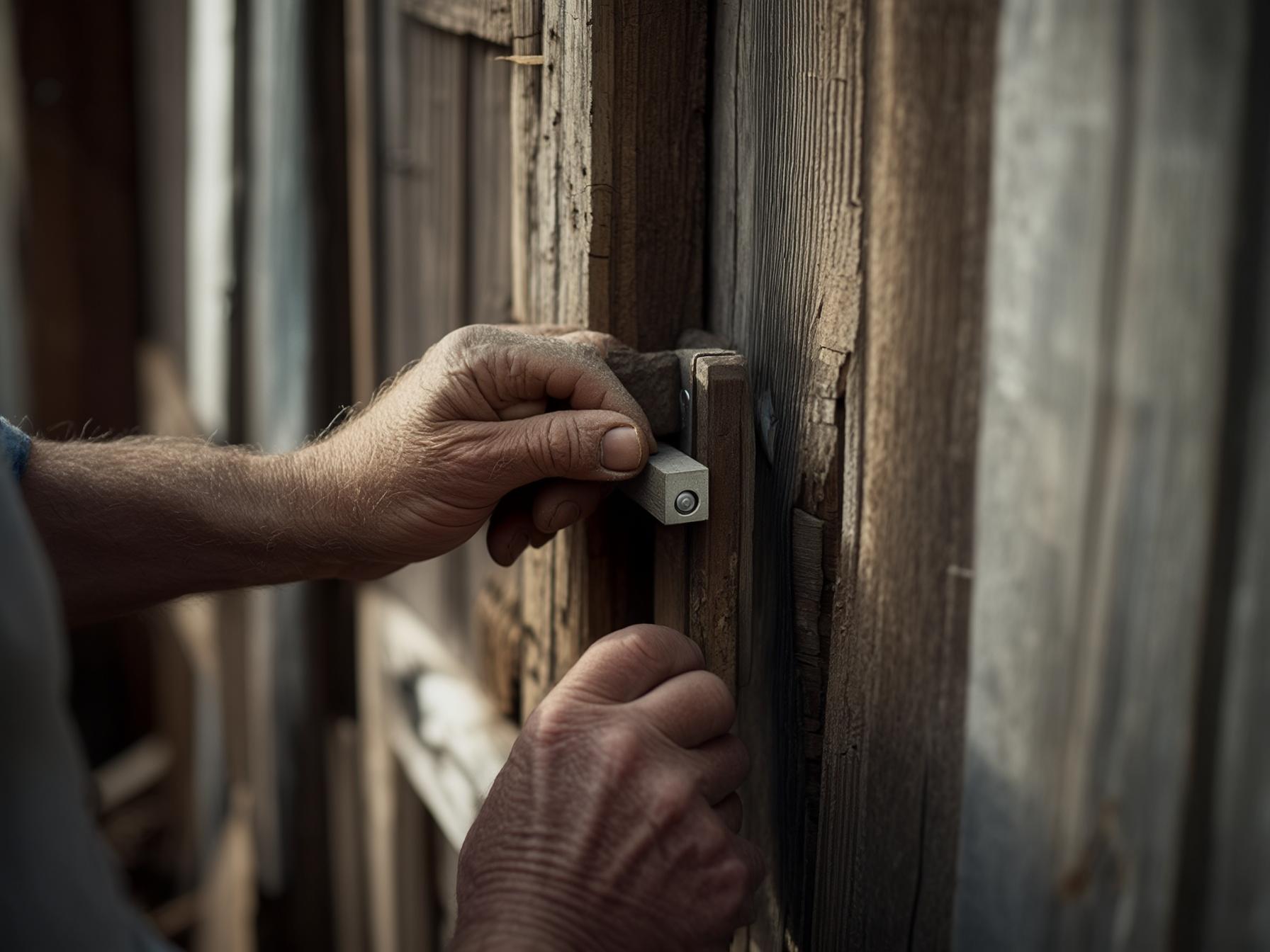
Here’s where I’ll be blunt, because this one killed birds of mine. A magnetic catch is not a lock. Neither is a simple hook, or a turn button, or a slide bolt on its own.
A raccoon has hands. It will work a single-motion latch open, and it has all night to try.
What you want is something that needs 2 different motions at once. A barrel bolt with a carabiner through it. A latch you have to lift and then slide.
Magnets are fine for a door you want to stay shut against wind. Just don’t let them be the thing between a raccoon and your flock.
Skip the wire floor
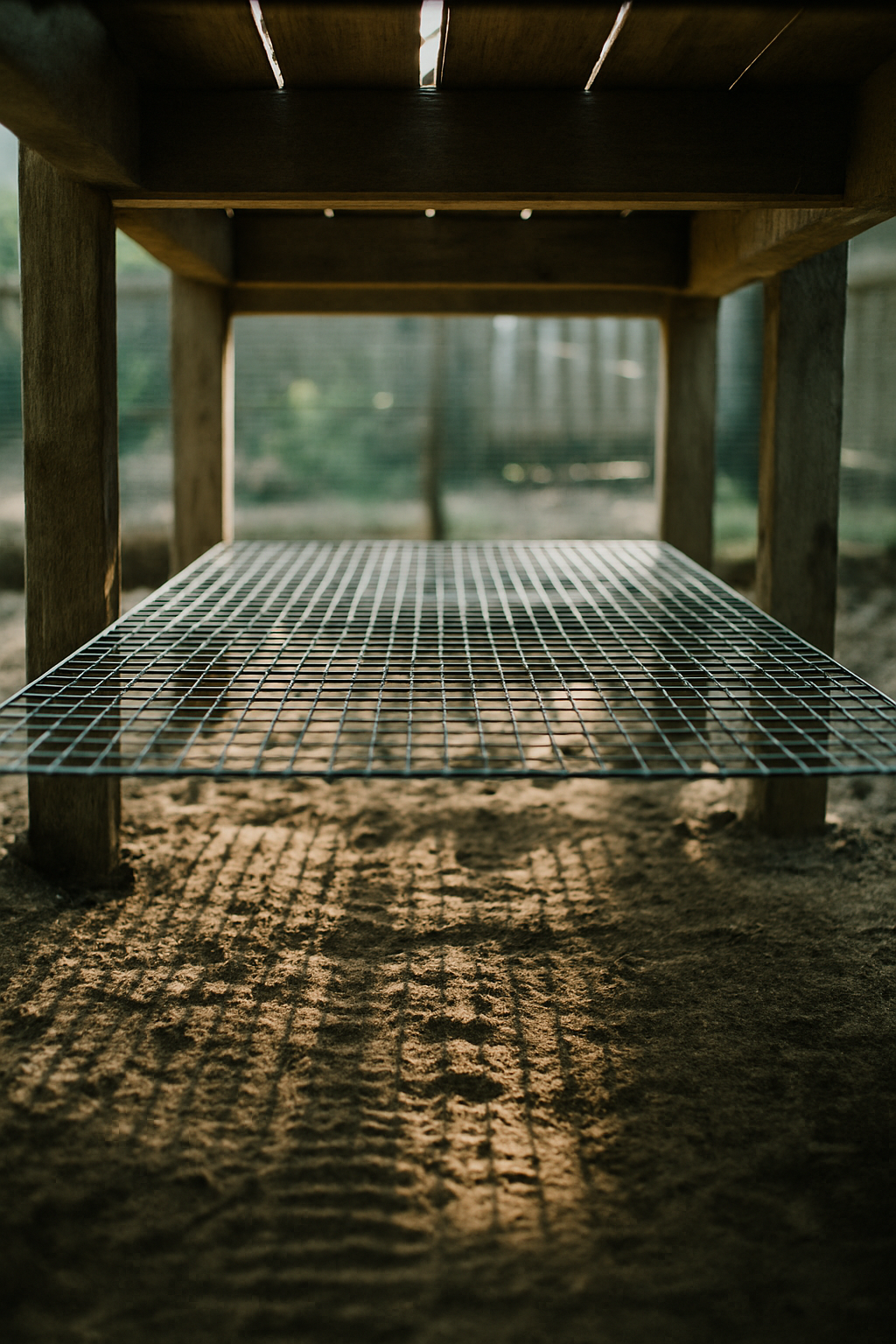
This hack comes up constantly. Droppings fall through a mesh floor, so you never muck out. Sounds brilliant.
I wouldn’t do it. Birds standing on wire all day get sore feet, and a small cut on a foot pad is how bumblefoot starts. Once you’ve got it you’re soaking a hen’s foot in a bucket every evening for a fortnight.
Deep litter is the better trade. 6 inches of pine shavings, turned over with a rake now and then, topped up rather than replaced.
It composts down, it smells fine if it stays dry, and I strip mine out twice a year instead of weekly. That’s the real time saving.
Clear panels help in January and hurt in July
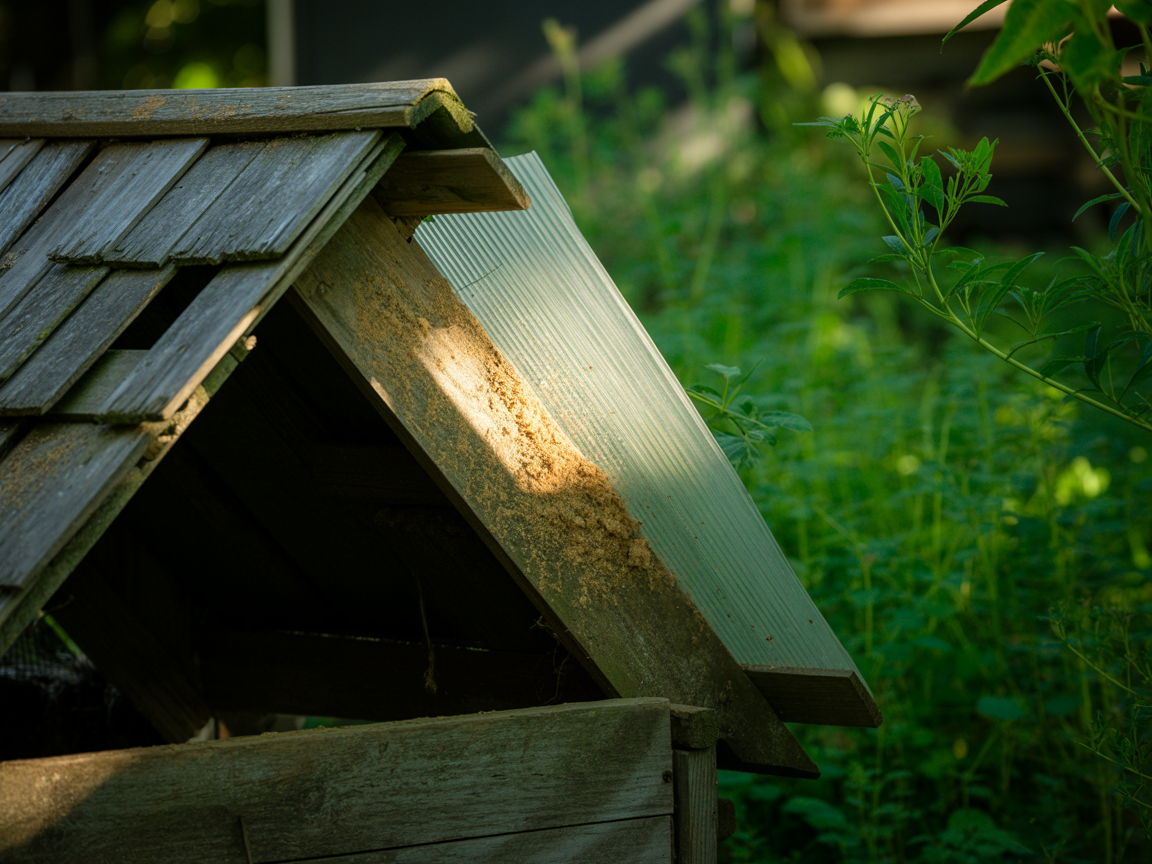
A clear polycarbonate panel on the south wall does warm a coop on a cold bright day. That part is true and it’s pleasant to walk in and feel it.
The catch is summer. The same panel turns the coop into a greenhouse, and heat kills chickens far more easily than cold does. I lost a bird to a heat wave once and I’m not casual about it now.
So make it removable, or shade it from June onward.
And whatever you do, don’t trade ventilation for it. A warm coop with no airflow gets damp, and damp is what causes frostbite in winter. Not cold.
Feed goes in metal, not plastic

Buying feed 3 or 4 bags at a time cuts your trips to the feed store down to one a month. Worth doing.
Store it in a metal can with a lid that clamps. A rat will chew through a plastic tote in a night, and I’ve watched one do it.
Keep it off the concrete on a pallet. Concrete sweats and damp feed goes mouldy, which is genuinely dangerous to give a bird.
Write the date on the bag with a marker. Feed loses vitamins over a few months and it’s easy to lose track.
Motion lights are not a predator plan
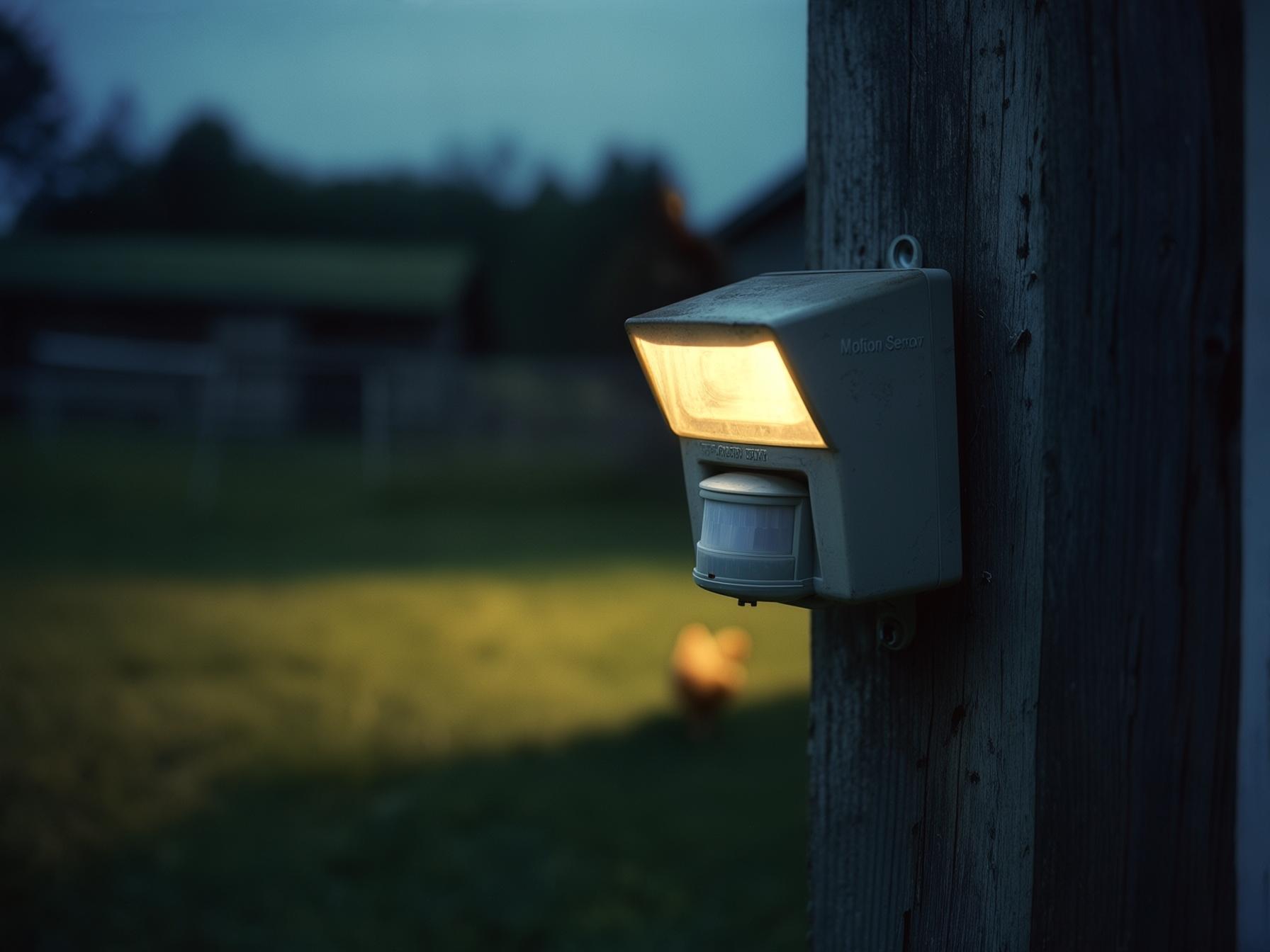
I put a motion light on the run after the raccoon. Honestly, it changed nothing.
It startled the thing for about 2 nights. Then it worked out that the light doesn’t do anything, and it came back.
The light is useful for me, not for the predator. I can see what I’m doing at 5am in December without carrying a torch.
The thing that actually ended it was hardware cloth buried along the base of the run. Boring, physical, and it works while you’re asleep.
Nipple waterers, once you know the catch
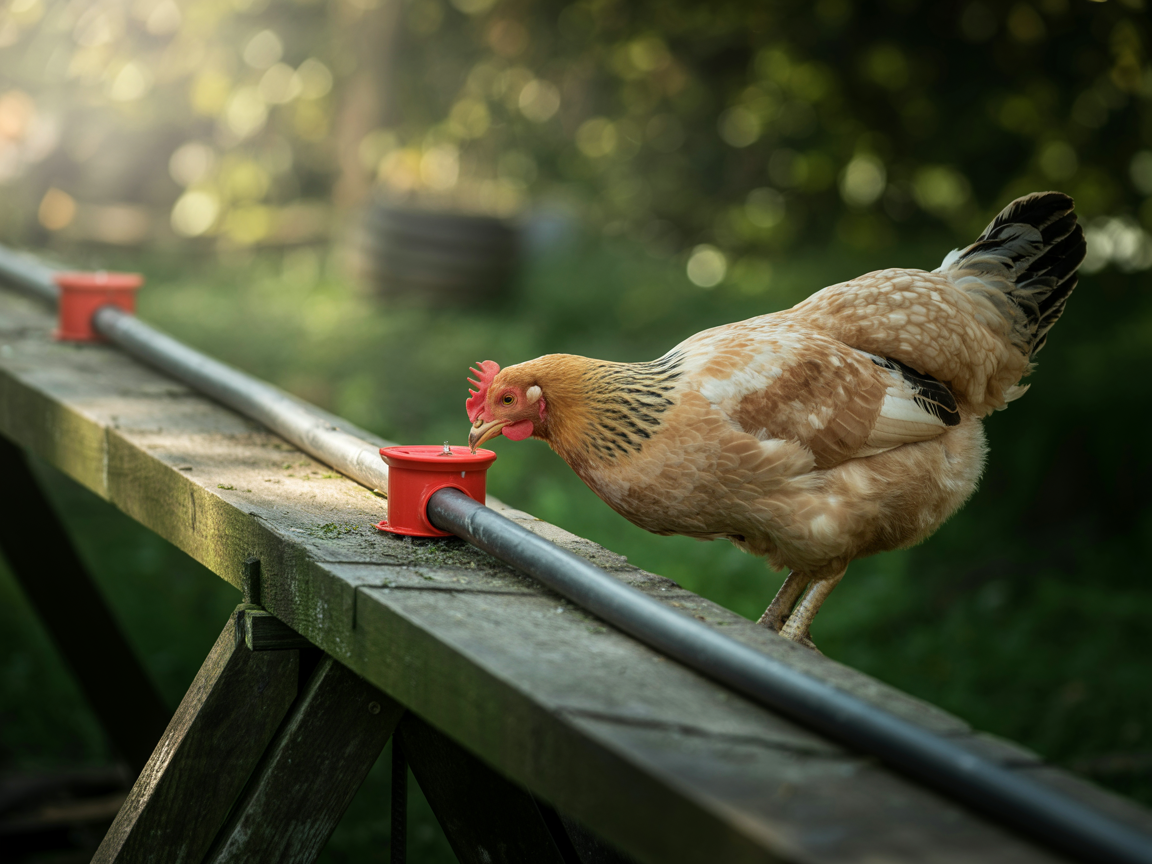
Horizontal nipples screwed into a bucket beat an open fount easily. No shavings in the water, no droppings in it, no tipping it over. Refill once every few days and walk away.
Two things to know before you switch. New birds don’t understand it, so tap the nipple with your finger a few times where they can see, and leave the old waterer up for a week.
And it will freeze. That’s the real catch, and a fount freezes too, so it isn’t a reason to skip it.
In winter I run a submersible heater in the bucket. Turns out that’s cheaper than the heated bases they sell for founts.
Related read: How to Raise Chickens for Eggs — Instant PDF download. Secure checkout by Stripe