My call: yes, your hen can eat a dried date, but only a small one. Pit it, chop it, and don’t make it a daily thing. Turns out a dried date is about two-thirds sugar by weight, going by USDA’s numbers. One small Deglet Noor date weighs 7.1 grams once it’s pitted. By my math, that’s half to nearly three-quarters of what a hen should get in treats for a whole day. One Medjool weighs 24 grams, so it’s more than a full day’s worth. Feedipedia, an animal feed database, sums up the trials that mixed whole dates into layer rations. It says to keep them to 5 percent of the diet, and most authors it cites saw egg production drop at higher levels. So my call is one small date, cut up and shared now and then, after your flock has eaten its feed. Any date with mold on it goes in the trash. Chocolate-covered dates never go to your hens.
I rewrote this page from 20 sources, all listed at the bottom. The numbers for the dates come from two USDA FoodData Central entries, one for Deglet Noor and one for Medjool. The feed trials come from Feedipedia and from a 1995 study in Poultry Science. For feeding hens and handing out treats, I used extension guides from Colorado State and Alabama, plus one from the University of California. Jacquie Jacob of the University of Kentucky wrote one more I used, on the national poultry extension site. For health I used four chapters of the Merck Veterinary Manual. The crop lines come from the University of Maryland, The Poultry Site and Cackle Hatchery, and Cackle also covered chicks. A University of Florida extension office covered chocolate and moldy food, and fruit pits too. The mold numbers come from a 2023 review in the journal Toxins and two date studies on PubMed. Where a line is my own read of the sources, I’ll tell you so.
The old page opened with a story I can’t back up. It began with “Let me tell you about the time I tried to feed my chickens some dried dates”. Then came a bag of dates left over from “a camping trip with my college buddies last summer” in the Sierra Nevada. The hens “attacked those dates faster than I’ve ever seen them go for anything”. A hen named Pearl took a date from one named Biscuit, and a Barred Rock “tried to make a run for it with the whole bag in her beak”. I can’t show you any of that happened, so it’s gone. So is the sign-off, “Let me know if your flock absolutely riots over dates like mine did”. So is the list that began “In my experience, certain breeds and ages of chickens go especially crazy for sweet date treats”. It also claimed “Broody hens love snacking on energy-dense dates while sitting on eggs”. I found nothing in my sources to back any line of that list.
The health claims went next. The page said too many dates “can cause digestive issues, diarrhea, gut inflammation, and weight gain in chickens”. Weight gain has backing in my sources, but from too much energy of any kind, not dates in particular. Maryland ties one crop problem to binge eating, which is about how much, not what. Nothing I read backs the diarrhea or the gut inflammation. It said bits of date “can get lodged in chickens’ crops”, and none of the crop guides I read names dates. It said their antioxidants “may support immunity and reduce inflammation” and their prebiotics “could promote good gut bacteria”. I found nothing in my sources on either one. It also said dates lack protein and vitamins and minerals. Then a few lines later it praised their “decent amounts of potassium” along with three other minerals. Both can’t be right as written, and I’ll show you the USDA numbers below.
Some of the advice went too, or got turned around. The page said to “Mix a few dates in with their regular feed rather than feeding plain dates alone”. It also said to mix “a tablespoon or two of chopped dates right into their feed”. Alabama’s guide says to keep scratch grains out of complete feed, and by my read that goes for any treat. It said to “Scatter dates loosely over the run”, and Jacquie Jacob warns that scraps left to rot can mean botulism. It said “Limit date treats to 1-2 pieces per chicken, 2-3 times per week maximum” without saying which date, and the two kinds differ more than threefold in weight. It called “freshly picked dates straight from a palm tree” even better. But one mold study found microbe counts highest at the soft stage, before a date dries, and aflatoxin-making mold only at the unripe stage. It found none of that mold at the final, dried stage. Its fruit list put oranges and grapefruit on the safe side, while Colorado State says to skip citrus in scraps (our page on oranges has the rest). Its storage times and its “unsulfured organic” tip came with no source, so they’re gone too.
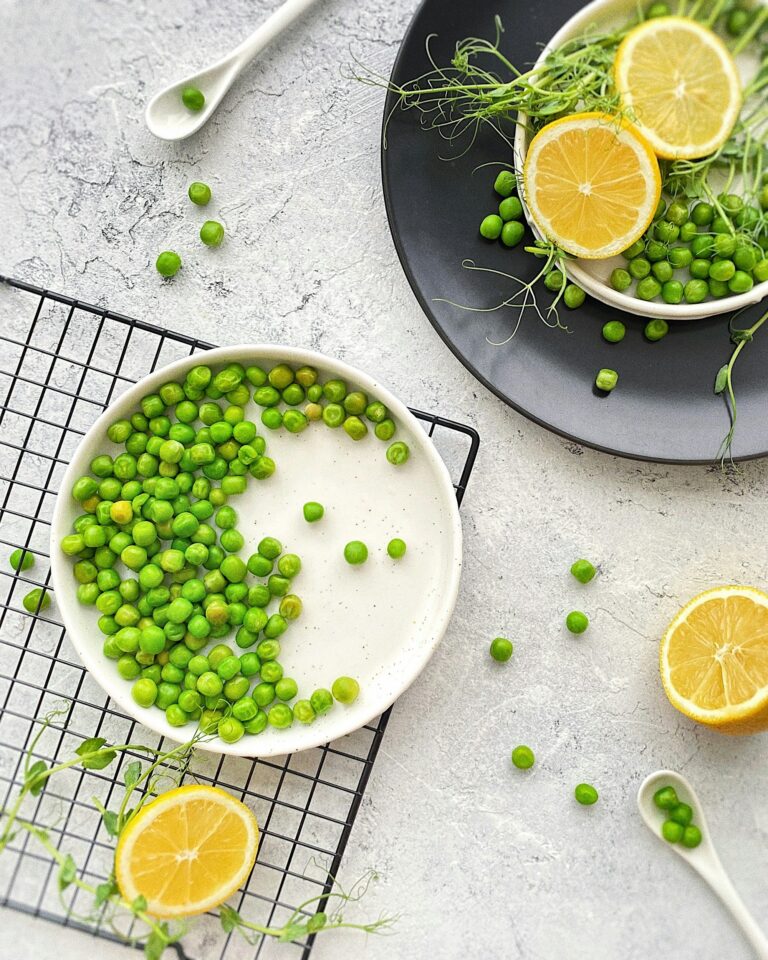
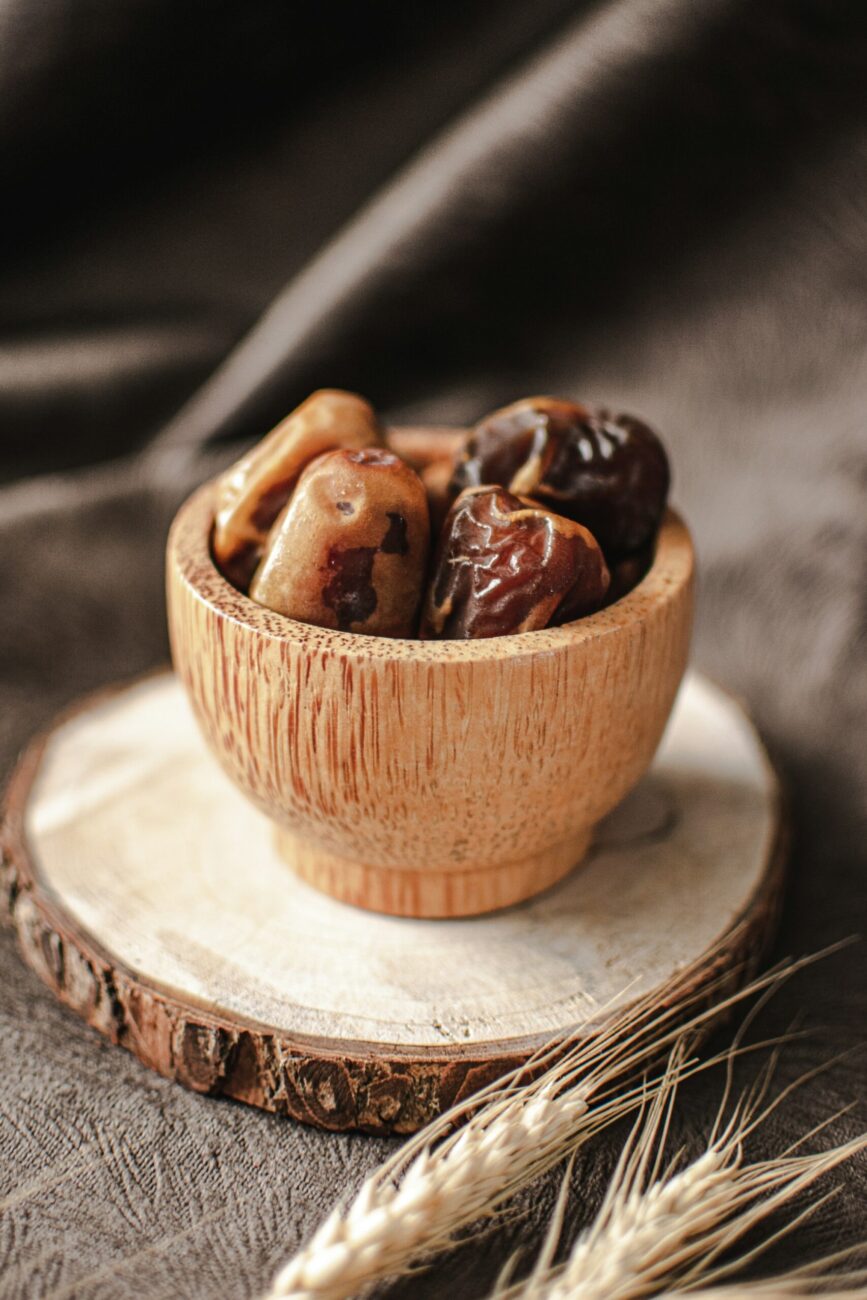
A word on the photos. All 8 are real photos, credited under each one. Six are stock shots from Unsplash. Two are public domain photos from Wikimedia Commons, both taken by the National Park Service at one farm. None of them shows a hen eating a date (I looked). The bowl of dates up top, the hand taking one date and the small bowl held out are all by the same photographer. Their pages don’t name the kind of date. The palm hung with fruit is tagged date palm, and its page doesn’t say where it grew. The market stall with dates among the dried fruit is at Borough Market in London, its page says. The box of coated dates has a lid that reads Sbai Dates, and its page calls the photo a greeting card. The speckled chicken pecking in the grass was shot at the farm at Lincoln Boyhood National Memorial, and the Park Service calls it a Brown Spotted Sussex. It’s foraging, not eating dates or feed. The ranger among the speckled chickens is from the same farm, and the Park Service says the ranger is feeding them. That photo doesn’t show a crop problem.
The short version.
- My call: one small date is fine now and then, with the pit out and the flesh chopped. Not a handful.
- A dried date is about two-thirds sugar by weight (USDA). It has little protein and very little calcium next to layer feed.
- One Deglet Noor date (7.1 grams pitted) is half to nearly three-quarters of a hen’s daily treat share, by my math. One Medjool (24 grams) is more than a whole day’s share.
- Treats should make up no more than 10 percent of the diet (Colorado State). That’s 10 to 15 grams a day for all treats together, by my math with Alabama’s feed numbers.
- In one layer trial, whole dates mixed in as 4 percent of the ration didn’t affect the hens’ performance. Most authors saw egg production drop at higher levels (Feedipedia).
- Given in excess, treats fill a hen up before she eats enough feed (Alabama). Too much energy of any kind can make a hen fat, and fatty liver kills hens (Merck, UC).
- Throw out any moldy date. Surveys have found mold toxins in some dates sold in stores.
- None of the crop guides I read names dates. My call is to chop them small anyway, since a hen swallows her food whole (Maryland).
- Take the pits out, and never give chocolate-covered dates. Chocolate is toxic to poultry (Florida).
- Chicks: wait. Alabama has starter as their only food from 1 to 6 weeks.
What’s in a Dried Date

Start with what you’re actually handing her. USDA’s FoodData Central lists two kinds by name. Per 100 grams, a Deglet Noor date has 63.4 grams of sugar, and a Medjool has 66.5. So a dried date is about two-thirds sugar by weight. In Deglet Noor it’s sucrose plus glucose and fructose in near-equal parts. Medjool’s is nearly all glucose and fructose. Water makes up about a fifth of either one: 20.5 grams per 100 in Deglet Noor, 21.3 in Medjool.
Feedipedia gives a range for cull dates, the ones that are too hard, too small or blemished. Those are generally what goes to poultry, it says. It says the sugar “varies between 60 and 76% DM and is constituted mostly of glucose and fructose”. DM means dry matter, the weight left once the water’s out. USDA’s two kinds come out a bit higher than that range, about 80 to 85 percent of the dry weight, by my math. My guess is that’s because they’re different dates. Either way, it’s mostly sugar.
But the rest of the date is thin for a laying hen. Deglet Noor has 2.45 grams of protein per 100 grams, and Medjool has 1.81. Alabama’s extension guide says laying hens should get “a layer diet with around 18 percent crude protein”. By my math, weight for weight, a Deglet Noor date carries about one-seventh the protein of that feed.
And calcium is further off. Deglet Noor has 39 milligrams per 100 grams, which works out to 0.039 percent. Alabama’s table puts calcium in a layer diet at 3 to 4 percent. That’s 77 to 103 times what the date carries, by my math. Medjool has 64 milligrams, so it’s not much closer. Your hen needs that calcium for her eggs. Alabama says the shell “is composed of around 96 percent calcium carbonate”.
Now the old page’s two lines that fought each other. Dates do carry some minerals. Per 100 grams of Deglet Noor, USDA lists 656 milligrams of potassium, 43 of magnesium, 0.206 of copper and 0.262 of manganese. Medjool has more of each, from about 6 percent more potassium to about three-quarters more copper, by my math. Vitamins are thin. USDA lists no vitamin A in Deglet Noor and 0.4 milligrams of vitamin C, and Medjool has a trace of vitamin A and no vitamin C. Fiber is 8.0 grams per 100 grams in Deglet Noor and 6.7 in Medjool.
So saying dates lack minerals isn’t right. Whether the amounts are decent depends on what you hold them up to. Next to layer feed, which Alabama says is “designed to be the sole source of nutrients”, a date is a sweet with some potassium in it. That’s my read, and it’s why the date stays a treat.
One Date Against Her Treat Allowance

Here’s the math that shapes my call. Honestly, the weight of the date is the whole story here. Colorado State’s extension guide says “Treats should make up no more than 10% of their daily diet.” Alabama says “A laying hen will consume between 100 and 150 grams of feed per day”. Ten percent of that is 10 to 15 grams a day, by my math. That’s for every treat you give her that day, not just dates.
USDA weighs one pitted Deglet Noor date at 7.1 grams. Against a 10 to 15 gram share, that’s 47 to 71 percent of her treats for the day. One pitted Medjool weighs 24.0 grams. That’s 1.6 to 2.4 days of treats in a single date, by my math.
So when someone tells you a date or two per hen, ask which date. Two Deglet Noors come to 14.2 grams, right at the top of a day’s share or over it. Two Medjools come to 48 grams, which is about three to five days’ worth of treats. The old page’s “1-2 pieces per chicken” could mean a modest treat or most of a week’s worth, depending on the bag.
Sugar tells the same story. By my math from USDA’s numbers, one Deglet Noor date carries about 4.5 grams of sugar and 20 calories. One Medjool carries about 16 grams of sugar and 66 calories. Our page on honey runs the same kind of math on a teaspoon of honey, and it lands in the same place.
For a flock, my call is simple. Cut one small date into bits and share it among a few hens. If you’re also handing out greens or scraps that day, the date comes out of the same share. Count by weight, not by pieces, because dates aren’t one size. A kitchen scale settles it the first time, and after that you’ll know what a share looks like.
Sugar Fills Her Up Before the Feed Does

The trouble with a sweet treat isn’t a poison in the sugar. It’s what the sugar pushes out. Jacquie Jacob writes that “Chickens typically adjust their feed intake” to meet their energy needs. The guide adds, “As the energy content of a diet increases, feed intake decreases, and vice versa.” That’s about the energy in the diet itself, not a treat on top. But by my read, a sweet treat works the same way. Once your hen has met her energy need, she eats less of the feed you bought to carry her protein (and her calcium). Jacob says as much about scratch grains: “chickens that eat too many scratch grains have less of an appetite for more nutritious feed.”
Alabama’s guide says the same thing in plain words. Speaking of treats and scratch grains (kitchen scraps too), it says that if they’re given in excess, “the birds will fill up on these incomplete feeds and not consume enough of the complete feed to sustain egg production or growth.” Colorado State puts it as protein. Don’t overfeed scraps, it says, because hens “need to get enough protein to meet daily requirements”.
The University of California’s guide says to “treat the scraps like a treat not like the main course”. It warns that you “may cause nutritional disorders if the scraps are displacing too much of the balanced diet.” By my read, a date is a long way from a balanced diet. It’s mostly sugar, with little protein and little calcium.
Then there’s fat. Alabama says “Excess energy intake can lead to fat deposition.” The UC guide says “chickens can get obese”, with fatty “liver lobes which can rupture and kill chickens.” The Merck Veterinary Manual calls fatty liver hemorrhagic syndrome “a leading noninfectious cause of death in backyard chickens”. Merck says “FLHS is associated with a surfeit of energy intake, regardless of the source, in birds whose exercise is limited.” Birds with it are “usually found dead without premonitory signs”, meaning no warning signs at all.
Look at the words “regardless of the source”. Merck isn’t blaming dates, or sugar in particular. Its main worry is any extra energy, in a hen that doesn’t move much. It does also suggest trading some of the carbohydrate in a diet for fat while keeping the total energy the same, so the carbohydrate share may count too. A date is just a quick way to pack a lot of it into one bite. Merck’s backyard chapter also says “birds should receive most of their diet from a balanced, nutritionally complete ration.” That’s why I’d keep your date share small, and why it comes after the feed, not before.
What the Date-Feeding Trials Found

Dates have been fed to poultry on purpose, in trials. Feedipedia sums them up. For laying hens, it says “It is recommended to use whole dates carefully in layer diets, and to limit their inclusion to 5% of the diet.” It adds that “Whole dates included at 4% did not affect layer performance”. Past that, “most authors have observed at higher levels a drop in egg production”. The eggs themselves held up: “No major effect was observed on egg weight and egg quality”.
For broilers, Feedipedia notes one trial where pitted dates at up to 15 percent of the diet didn’t hurt performance. A 1995 study in Poultry Science fed dates to young broilers and to breeding quail. In the quail, it found “Egg production and egg weight on all date and date part diets were equal to those of the control.” It also found “Quail breeder feed consumption decreased at the 30% date level”, while 24 percent dates held normal intake in a second trial. Feedipedia reads that study as quail doing fine at 15 percent and worse at 30.
Now, what those trials can and can’t tell you. In a trial, the dates get ground up and mixed into the ration itself as part of the recipe. Feedipedia’s broiler lines talk about dates taking the place of maize. Whole dates in those trials include the pit, and Feedipedia says “Whole dates contain about 15% pits”. Your treat sits on top of a feed that was already complete. So by my read, the trials don’t hand you a treat dose.
What they do give you is a sense of the margin. Five percent of 100 to 150 grams of feed is 5 to 7.5 grams of whole dates a day, by my math. Those are mostly cull dates with the pits still in, and about 15 percent of a whole date is pit. So that’s less date flesh than one pitted Deglet Noor. Feedipedia’s advice is to stay at or under 5 percent in layer rations, and it says most authors saw egg production drop at higher levels. If your hen gets dates on top of her feed, I wouldn’t take her anywhere near that line. A few bits now and then sit well under it.
Mold and Pits, and What Organic Means

Mold is the one real hazard I’d watch for in a bag of dates. Merck says “Poultry are susceptible to hundreds of mycotoxins”, the poisons some molds make. Colorado State’s line on scraps is “Make sure they are not salty or have citrus or are moldy.” The University of Florida’s extension office puts it plainly: “If food is moldy enough that you would not eat it yourself, do not feed it to your chickens.”
And yes, dates can carry those molds. A 2023 review in the journal Toxins says “The growth of toxigenic fungi on dates, under favorable climatic conditions, such as high humidity and temperature, can result in the formation of various mycotoxins, mainly AFs, and OTA.” AFs are aflatoxins, and OTA is ochratoxin A. The review’s table pulls together surveys of dates sold in several countries. In one survey from Pakistan, aflatoxins turned up in 38 of 96 date samples. In China, ochratoxin A turned up in 9 of 40. In Yemen, 2 of 20 samples held aflatoxins at high levels. A 2021 study of 19 store dates, mostly from Tunisia, found ochratoxin A in just one of them, at 0.75 micrograms per kilogram.
One study does narrow down when the trouble starts. A 2002 study of 25 date varieties found aflatoxin-making mold only at the first, unripe stage, called Kimri. Microbe counts climbed sharply at the second, soft stage, called Rutab, then dropped at the dried stage. It reported “No aflatoxins or aflatoxigenic Aspergillus were detected at the final edible stage of maturation.” The 2023 review cites a study on dates from the United Arab Emirates. Kept warm for 10 days, an aflatoxin-making mold got into whole dates at every ripening stage but the last, the dried stage called tamr, which “did not support mold growth”. That doesn’t clear every bag, since the store surveys above still found toxins in some. But it’s why I don’t buy the old page’s line about dates fresh off the palm. By my read, the dried, ripe date is the safer one, as long as it stays dry.
Organic isn’t a mold shield, either. Feedipedia says “Dates are fumigated to kill insects, often with methyl bromide”, and that “In organic date palm production, carbon dioxide is used instead of methyl bromide”. That’s a real difference, and some folks will want it. But the 2021 study found its main molds “most frequently found in premium quality and organic produce, produced without chemical preservatives”. So whatever label you buy, the check is the same. Open the bag and look at every date. Anything fuzzy, or any date you wouldn’t eat yourself, goes in the trash. Then keep the bag sealed and dry, since the review ties mold growth to heat and damp.
Then the pit. Feedipedia says “their pits are very hard”. Other animals don’t get much out of them either. Feedipedia notes cows that “select the flesh and leave pits in the trough”, rabbits that “do not eat the hard pits”, and donkeys that “voided the pits whole”. The University of Florida says to remove pits from peaches, cherries, plums “and similar fruits” because they “release cyanide when crushed or chewed”. Dates aren’t on that list, and I found no source calling a date pit poison. Ground date pits even go into some feed trials. But nothing I read tested a hen swallowing a whole one. My call is to buy pitted dates or pit them yourself. Our page on loquats takes the seeds out too, for its own reasons.
The Crop Warning, Checked

The old page said bits of sticky date can lodge in a hen’s crop. The University of Maryland calls the crop “a storage sack that holds the feed”, and it sits at the base of her neck. Maryland also notes “They do not have teeth, so feed is swallowed whole.” By my read, that’s one reason to cut a sticky date small. So I went looking for dates in the crop guides.
I didn’t find them. Maryland says “Impaction is often the result of eating large amounts of poorly digestible materials like newspapers, grass, feathers, string, plastic or other indigestible material.” The Poultry Site points to “long and tall grass, hay bale twine” and “long pieces of plastic or thread”. Cackle Hatchery says “Hay bale twine, string from feed sacks, and plastic strips shredded from feed sacks are other potential causes of impaction.” Pretty much every material those lists name is stringy or tough to digest. Besides materials, the guides also name illness, such as Marek’s disease, and a hungry bird that gorges on dry feed, which swells once she drinks.
Maryland says a pendulous crop “frequently develops after binge eating, excessive water intake, or consumption of large amounts of fibrous or indigestible material like grasses, rocks or sand.” Sour crop, a yeast infection, follows long courses of antibiotics, Maryland says, and also “bad or spoiled feed”. Merck says candidiasis “commonly develops after administration of therapeutic amounts of various antimicrobials or as a result of unsanitary drinking facilities.”
So no guide I read names dates, sugar or sticky fruit. That isn’t proof a date can’t cause trouble. It means the old page’s warning had nothing behind it that I could find. Two of Maryland’s lines still bear on how you’d feed a date, by my read. Binge eating is one, and it’s one more reason for a small share. Spoiled feed is the other, and it’s why a moldy or soured date never goes to the run.
If you want to check your hen, Maryland’s advice is to feel the crop first thing in the morning, before the birds eat. A normal crop “will be empty and hard to find at that time.” Maryland says a crop “that feels full and hard despite not having eaten for a long time” may mean a problem. If that’s what you find, call a vet who sees poultry.
How I’d Serve Dried Dates

If you want a routine, here’s how I’d do it, step by step. These are my calls, built on the sources above.
- Buy plain dates, pitted, with nothing added. Check the label for sugar, chocolate or a coating.
- Look over every date before it goes out. Anything moldy goes in the trash.
- Cut each date into small bits, about the size of a corn kernel, since a hen swallows food whole.
- Weigh a share once on a kitchen scale, so you know what one looks like. One small Deglet Noor date is 7.1 grams.
- Give it in the afternoon, after the flock has eaten its feed.
- Put the bits in a dish, not in the feeder and not scattered over the run.
- Give only what they’ll clean up quickly, and pick up any leftovers before they can rot.
- Count it as part of that day’s 10 to 15 grams of treats, along with any greens or scraps.
Jacquie Jacob’s guide is where the timing comes from. It says to feed scratch “in the afternoon after birds have eaten complete feed”. It also says “The total supplementation of table scraps and scratch grains should be no more than chickens can finish in 20 minutes.” And it warns, “Make sure that the scraps are not allowed to rot, or botulism might result.” That’s why the leftovers come up off the ground the same day.
On mixing, Alabama says to “avoid mixing scratch grains with your complete feed”. Complete feeds, it says, “are designed to be the sole source of nutrients”. That line is about scratch, not dates, but the reason carries over. A sweet bit stirred into the feeder is one more way for a hen to pick out the treat and leave the feed. That last part is my read.
Chicks are a different call. Cackle Hatchery says “Feed only starter ration for at least the first two weeks”. After that, it allows small treats, including “ripe fruit, chopped small”. It also says “Never feed chicks foods that are flavored with sugar, salt or other seasoning, butter, or oil.” A date isn’t flavored with sugar. It’s mostly made of it. Alabama is stricter. It says to give pullets a complete starter/grower diet “from 1 to 6 weeks of age as their sole source of nutrition”. With a treat this sweet, my call is to go with Alabama and wait until your chicks are past 6 weeks.
Skip the Chocolate-Covered and Stuffed Dates

Look, fancy dates are where I’d draw a hard line. The University of Florida’s list of foods never to feed chickens says “Chocolate contains theobromine and caffeine, both of which are toxic to poultry.” The University of California’s guide says to avoid feeding chickens “avocado, raw beans, chocolate” and a list of plant parts. Our Can Chickens Eat It? checker answers “Never” for chocolate-covered dates. So any date dipped in chocolate is out.
Stuffed dates bring their own trouble. If a stuffed date holds nuts, cheese or bacon, it’s carrying fat or salt or both. Merck says “Fat scraps should also be avoided, because they promote the development of fatty liver and acute death from liver rupture.” Colorado State says to make sure scraps “are not salty”. The University of Florida puts “heavily salted leftovers” on its list to avoid. So my call is no stuffed dates and no party leftovers from the date platter.
Sugar-rolled or candied dates are a judgment call, and mine is no. They’re a date with more sugar on it, and the sugar was the reason to go easy in the first place. The same goes for date syrup and date paste. A coconut-rolled date adds fat too, by my read. Our page on coconut milk explains why coconut milk counts as a fat food. For the foods the vet books do warn about, from mold and salt to chocolate, see our short list of what not to feed chickens. And if your flock likes fruit, our pages on durian and star fruit run the same kind of checks.
Sources
- USDA FoodData Central: Dates, deglet noor (FDC ID 171726).
- USDA FoodData Central: Dates, medjool (FDC ID 168191).
- Feedipedia (INRAE, CIRAD, AFZ, FAO): Date palm fruits.
- Vandepopuliere JM, al-Yousef Y, Lyons JJ. Dates and date pits as ingredients in broiler starting and coturnix quail breeder diets. Poultry Science, 1995 (PubMed abstract).
- Colorado State University Extension: Raising Poultry the Organic Way, Disease Control and Feeding.
- Alabama Cooperative Extension System: Backyard and Small Poultry Flock Management Series, Feeding the Laying Hen.
- Jacquie Jacob, University of Kentucky, on the Small and Backyard Poultry extension site: Feeding Chickens for Egg Production in Small and Backyard Flocks.
- Maurice Pitesky and Nancy Reimers, University of California: Feeding Your Flock (PDF).
- Merck Veterinary Manual: Management of Backyard Poultry.
- Merck Veterinary Manual: Fatty Liver Hemorrhagic Syndrome in Poultry.
- Merck Veterinary Manual: Candidiasis in Poultry.
- Merck Veterinary Manual: Mycotoxicoses in Poultry.
- Jon Moyle, University of Maryland Extension: Common Crop Issues in Backyard Chickens (EBR-60, June 2021, PDF).
- The Poultry Site: Crop Disorders of Chickens I, Crop Impaction.
- Cackle Hatchery: Crop Impaction in Chickens.
- Cackle Hatchery: What to Feed Baby Chicks.
- UF/IFAS Extension Holmes County: 10 Foods You Should Never Feed Chickens (2026).
- González-Curbelo MÁ, Kabak B. Occurrence of Mycotoxins in Dried Fruits Worldwide, with a Focus on Aflatoxins and Ochratoxin A: A Review. Toxins, 2023.
- Shenasi M, Aidoo KE, Candlish AA. Microflora of date fruits and production of aflatoxins at various stages of maturation. International Journal of Food Microbiology, 2002 (PubMed abstract).
- Nikolchina I, Rodrigues P. A preliminary study on mycobiota and ochratoxin A contamination in commercial palm dates. Mycotoxin Research, 2021 (PubMed abstract).
Sources checked November 2, 2026. Calling one small date fine now and then is my call, and so are chopping it, giving it in a dish after the feed, taking the pits out and leaving out stuffed and candied dates. Reading Merck’s energy line as a reason to keep the date small is my read. So is carrying Alabama’s and Jacquie Jacob’s lines on scratch grains over to dates. The feed trials mixed dates, pitted dates or date parts into rations for laying hens and broilers, and for quail. Holding them up next to a backyard treat is my read. So is calling the dried date the safer stage, from the mold studies, and tying the crop guides’ binge and spoiled-feed lines to dates. Waiting until chicks are past 6 weeks is my call, from Alabama’s line on starter. Any figure I worked out in percent, grams, calories or days is my math from the numbers these sources print. We aren’t vets. If a bird looks sick, call a vet who sees poultry.
Related read: How to Raise Chickens for Eggs — Instant PDF download. Secure checkout by Stripe