As an Amazon Associate I earn from qualifying purchases. This post contains affiliate links. If you buy through them we may earn a commission at no extra cost to you.
Product prices and availability are accurate as of the date and time indicated and are subject to change. Any price and availability information displayed on Amazon at the time of purchase will apply to the purchase of this product. Certain content that appears on this site comes from Amazon. This content is provided "as is" and is subject to change or removal at any time.
Day Three Is the Inflection Point
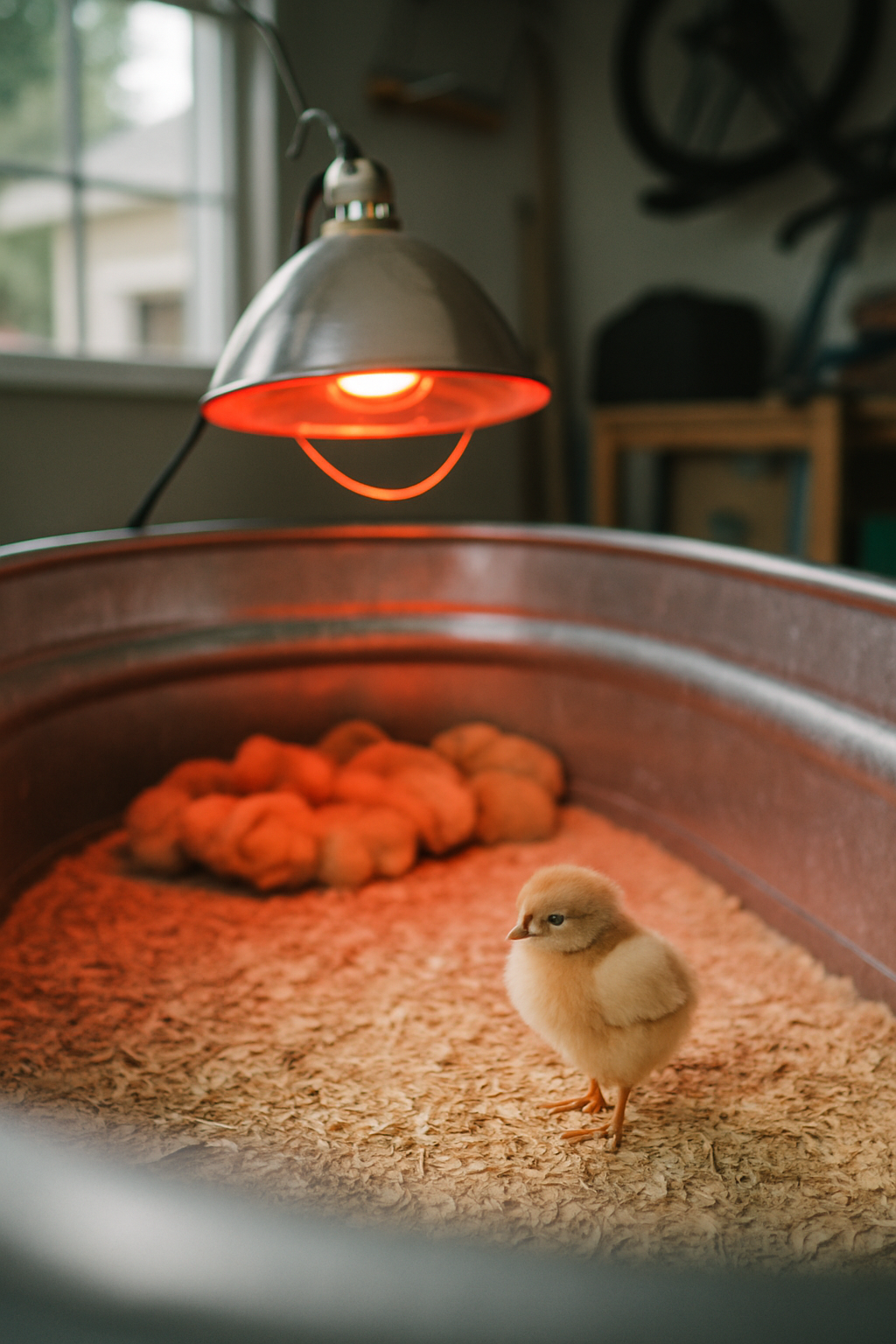
Day three is when things either turn around or go wrong fast, and the difference is usually whether you knew what you were looking at. I’ve watched keepers panic at pasty butt like it’s a death sentence and shrug at a huddled, puffed-up chick like it just needed sleep. Both of those calls were wrong, and both cost birds.
So here’s how I sort first-week chick problems — and honestly, it’s the only framework you need: Handle It Now, or Call a Vet. That’s it. Two piles. You figure out which pile a symptom belongs in, and you act on it in the next ten minutes. Not after watching for a while, not after posting in a Facebook group.
Waiting to see what happens is the real risk in week one. It means the fixable problems — the ones you could’ve solved at the brooder at 9pm — don’t get fixed until morning, when it’s too late. Most first-week problems are handleable at home. Most are also time-sensitive. The ones that aren’t home-fixable, I’ll tell you plainly. The rest? You’ve got this.
Pasty Butt: Handle It Now, Every Time You See It
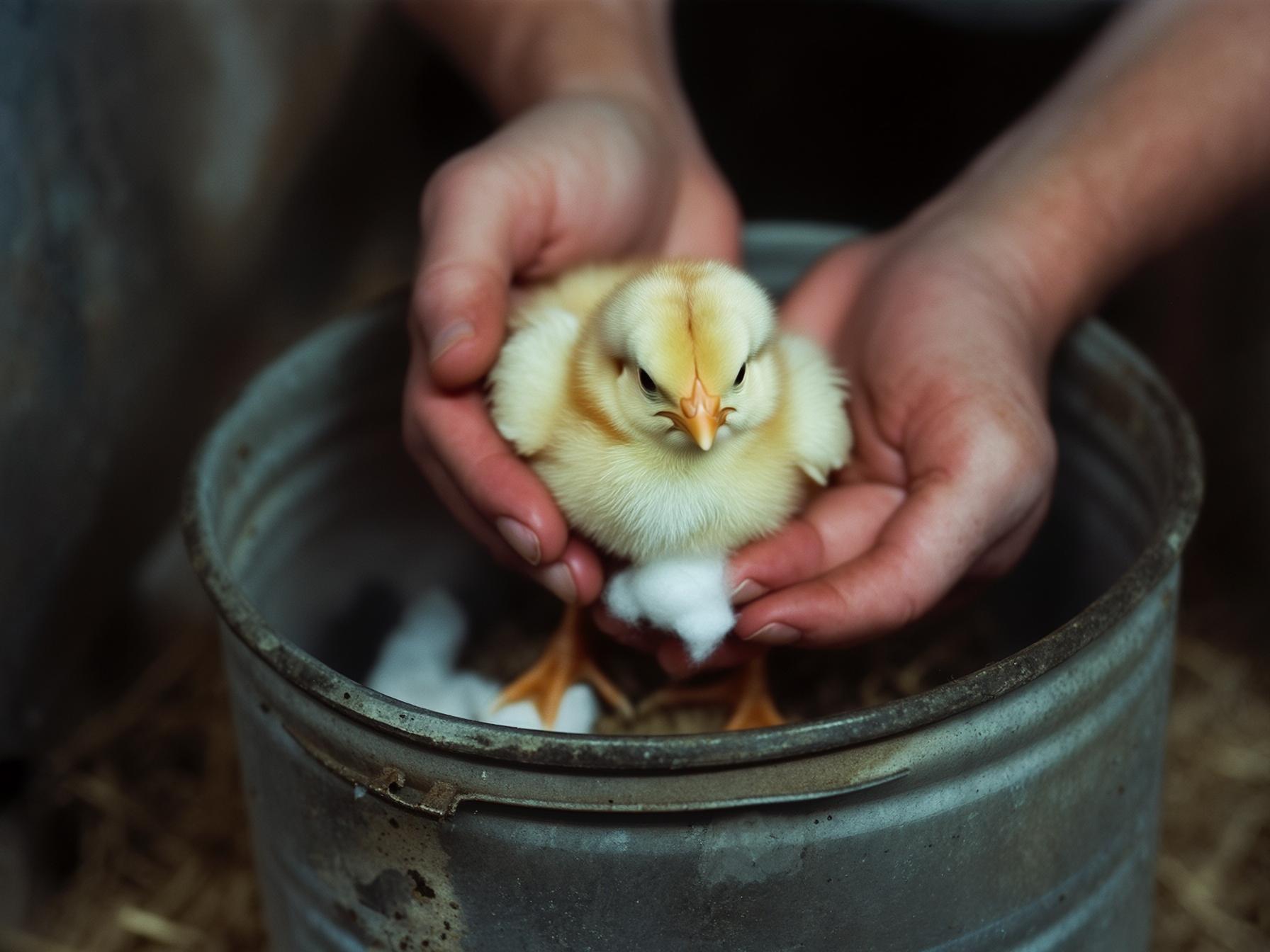
Pasty butt is feces drying and caking over a chick’s vent. It looks minor. It is not minor. A dried fecal cap can fully block the vent within 24 hours and the chick dies because it can’t excrete. That’s the whole story. It’s also one of the most completely fixable problems on this list, which is what makes it so frustrating when keepers lose a bird to it.
Check vents at least twice a day in the first week. Morning and evening, minimum. You’re looking for any paste or caking around the opening. If you see it, you fix it right then.
The fix is warm water, around 100°F, and patience. Hold the chick’s back end over a small bowl of warm water and let that paste soak for a full minute or two. It softens. Then you wipe it away gently with a wet cloth or your fingers.
Do not pull it off dry. I cannot say that clearly enough. Pulling dried paste off a dry vent tears the skin, opens a wound, and turns a five-minute fix into a real problem. Soak it first. Every time.
After you clean it, pat the area dry and get the chick back under heat. When it stops being a simple fix: if the vent skin looks torn, raw, or infected, or if the same chick has severe pasty butt multiple days running, that’s worth a closer look at your brooder temperature and feed. Stress from being too hot or too cold is a common cause. But the cleaning itself stays in the Handle It Now pile.
Spraddle Leg Catches Most People Off Guard — It Shouldn’t
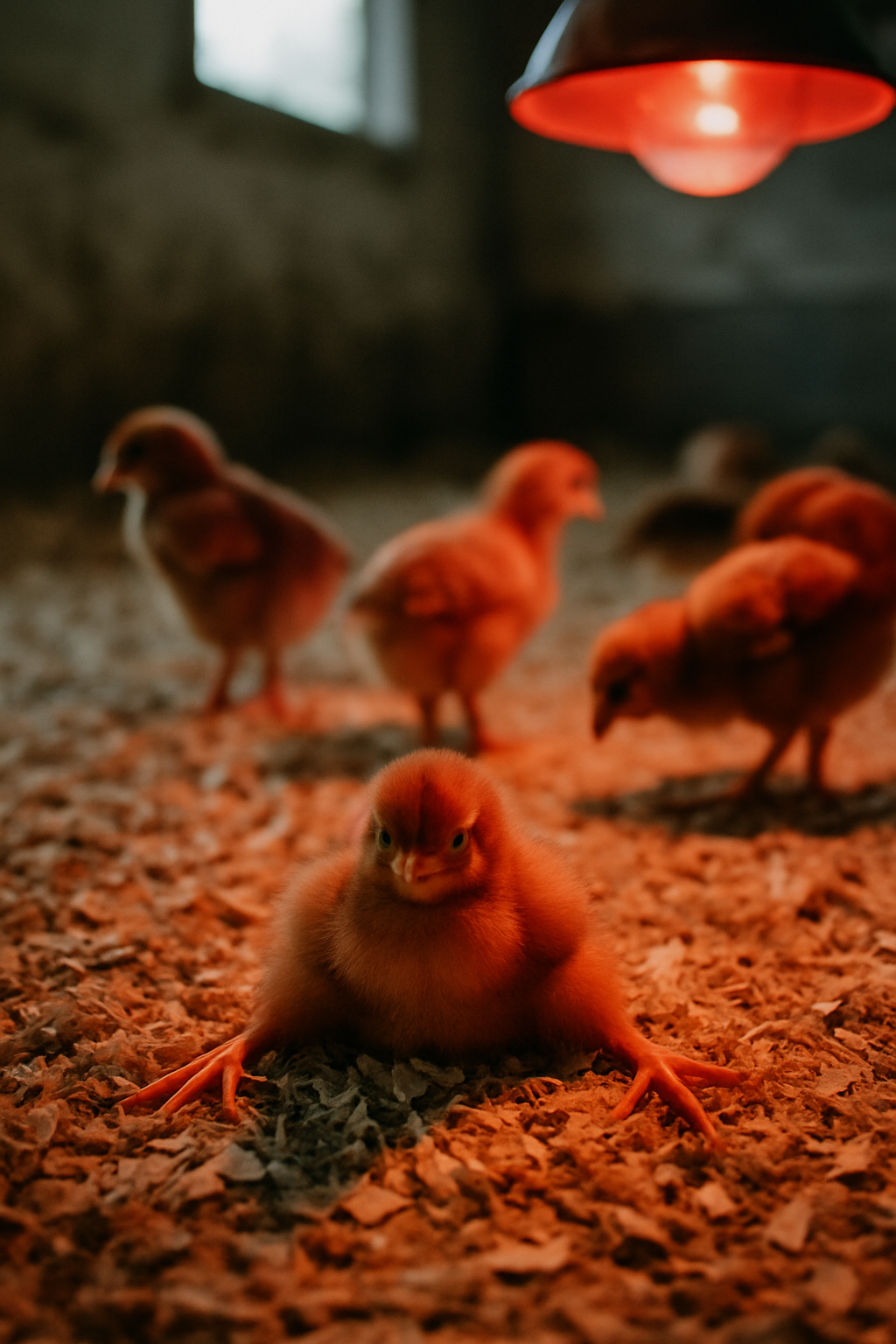
Spraddle leg is when a chick’s legs splay out to the sides instead of sitting under the body. The chick can’t stand. It looks like a genetic defect. It almost never is. The most common cause is a slippery brooder floor — usually newspaper — and you put newspaper in there because it seemed easy to clean. I did this. Cost me two birds before I figured out what I was looking at.
Paper towels work fine. Rubber shelf liner works even better. Either one gives chicks enough grip to push off the floor and develop proper leg muscle in those first critical days. Newspaper gives them nothing to push against, and their legs slide out.

$13.93 In Stock
Paid link · price checked October 6, 2026 09:15
Simple as that.
If you catch spraddle leg in the first three to five days of life, a hobble usually fixes it completely. You make a small hobble out of medical tape or a thin strip of bandage — something soft, not string — connecting the two legs at roughly their natural hip-width apart, about one to two centimeters. That spacing is important. Too close and you’ve overcorrected. Too wide and you’ve changed nothing. The chick needs to be able to walk, just with the legs held in position while the muscle develops.
Leave the hobble on for a day or two, check for any rubbing or swelling, and re-evaluate. A lot of chicks walk normally within 48 hours. After five days of life the treatment window closes fast — the legs start to set in whatever position they’re in. So don’t watch and wonder. If a chick can’t stand properly, make the hobble today.
Shipping Stress Is Real and Has a Protocol
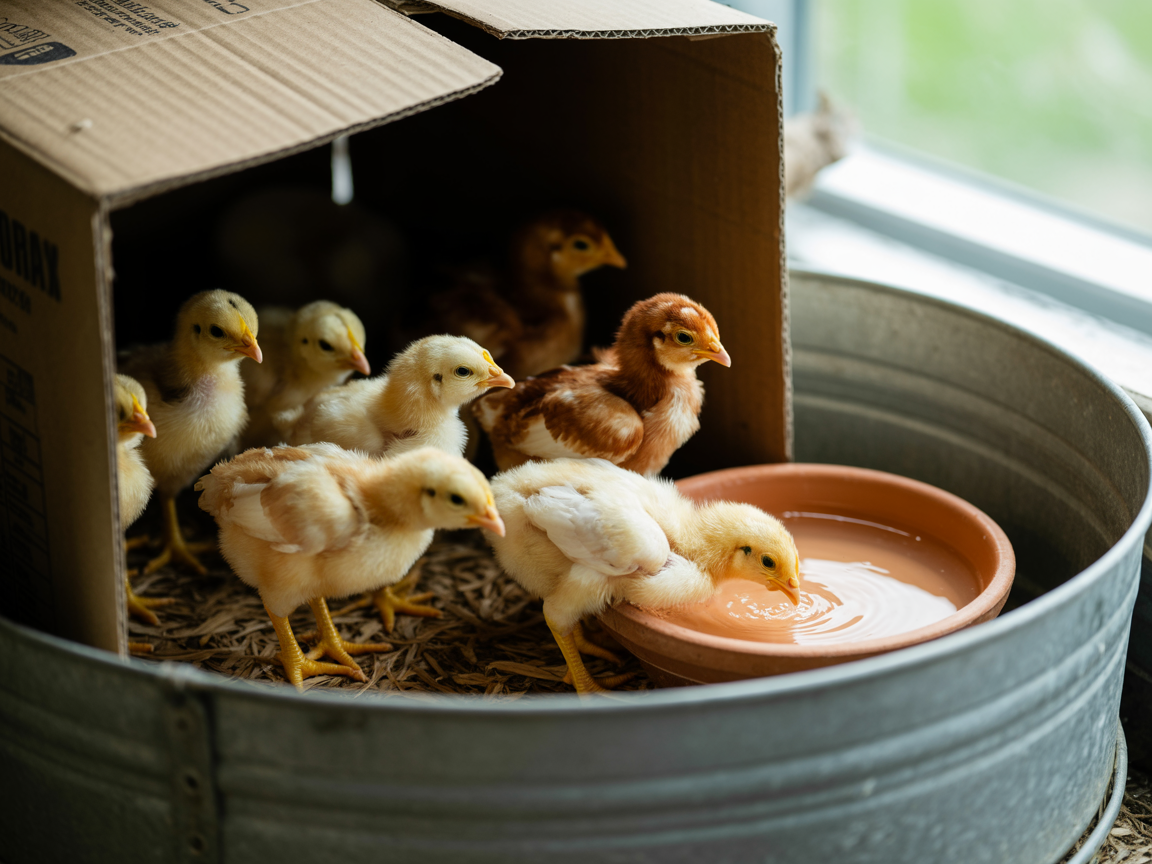
Chicks get shipped because that’s how most people get their first flock, and shipping is genuinely hard on them. They’re in a dark box, jostled around, temperature swings the whole time. They can survive roughly 72 hours post-hatch without food or water because of absorbed yolk, but “survive” and “arrive in good shape” aren’t the same thing.
Signs of shipping stress: lethargy, unsteadiness, huddling together, not interested in food. Signs of illness look similar but tend to be more pronounced, with labored breathing or obvious physical symptoms. The difference in week one is that stressed chicks perk up with warmth and fluids. Sick chicks often don’t.
When the box arrives, you dip each chick’s beak in water immediately. Not “once they’ve settled.” Not “when they find the waterer.” Right then, one at a time, beak in the water, let them take a few sips, then set them under the heat source. Brooder should already be sitting at 90 to 95°F for week one.
If chicks are piling on top of each other directly under the lamp, they’re cold. Spread out and sleeping away from it? Too warm.
Most people give shipped chicks too much time to settle before they intervene, and the window for getting fluids into a dehydrated chick is short. Act on arrival. Watching for an hour first is the mistake.
Read next: My week-by-week guide to raising baby chicks
Won’t Eat or Drink After 24 Hours: Here’s the Line
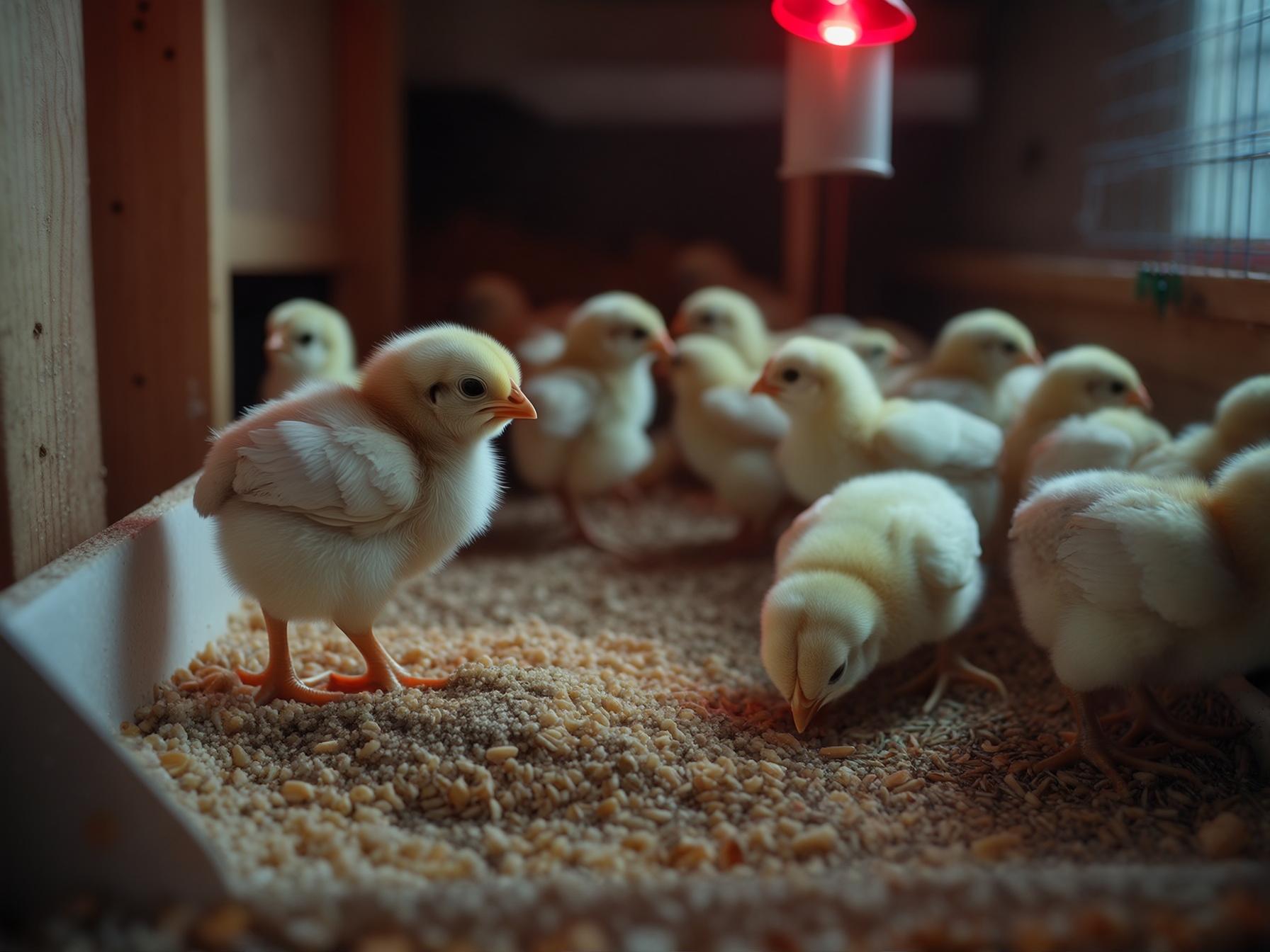
A chick that isn’t eating at hour six is probably fine. A chick that isn’t eating at hour thirty is not fine, and most first-time keepers blur that line because they’re trying not to overreact. Understandable. But it matters.
Normal: newly arrived chicks resting, wobbly, not rushing to the feeder. They just traveled. Give them a few hours with warmth and access to water.
Not normal: still not eating or drinking at the 24-hour mark. Here’s what you try first. Tap the feed with your finger repeatedly, right in front of the chick. This mimics a hen pecking and triggers the feeding instinct. I was skeptical the first time someone told me this. Turns out it works. Also check that the chick isn’t getting crowded out at the feeder by stronger birds, and confirm your brooder temperature is actually 90 to 95°F — not a guess based on how it feels when you stick your hand in.
If a chick hasn’t had water in 24 hours, that’s your Handle It Now line. Dip the beak, encourage drinking, get fluids in.
If a chick hasn’t eaten or drunk anything in 48 hours and isn’t responding to any of the above, you call a vet. That’s the Call a Vet line, and it’s a firm one. A chick that weak at 48 hours has something going on beyond adjustment stress.
- ArrivalDip each chick's beak in water immediatelyBrooder should already be at 90–95°F. Do not wait for chicks to settle first.
- First few hoursNormal: resting, wobbly, not rushing to the feederThey just traveled. Warmth and water access are the priority.
- 24 hoursNot eating or drinking — Handle It Now lineTap feed with your finger, confirm brooder temp, check for crowding at the feeder.
- 48 hoursStill not eating or drinking, not responding — Call a Vet lineA chick that weak at 48 hours has something beyond adjustment stress.
- Day 3–5Spraddle leg treatment window closes fastLegs start to set in whatever position they are in. Make the hobble before this point.
Read next: Medicated vs non-medicated chick starter: how I decide
Coccidiosis Signs Are the Ones You Call a Vet About — Full Stop
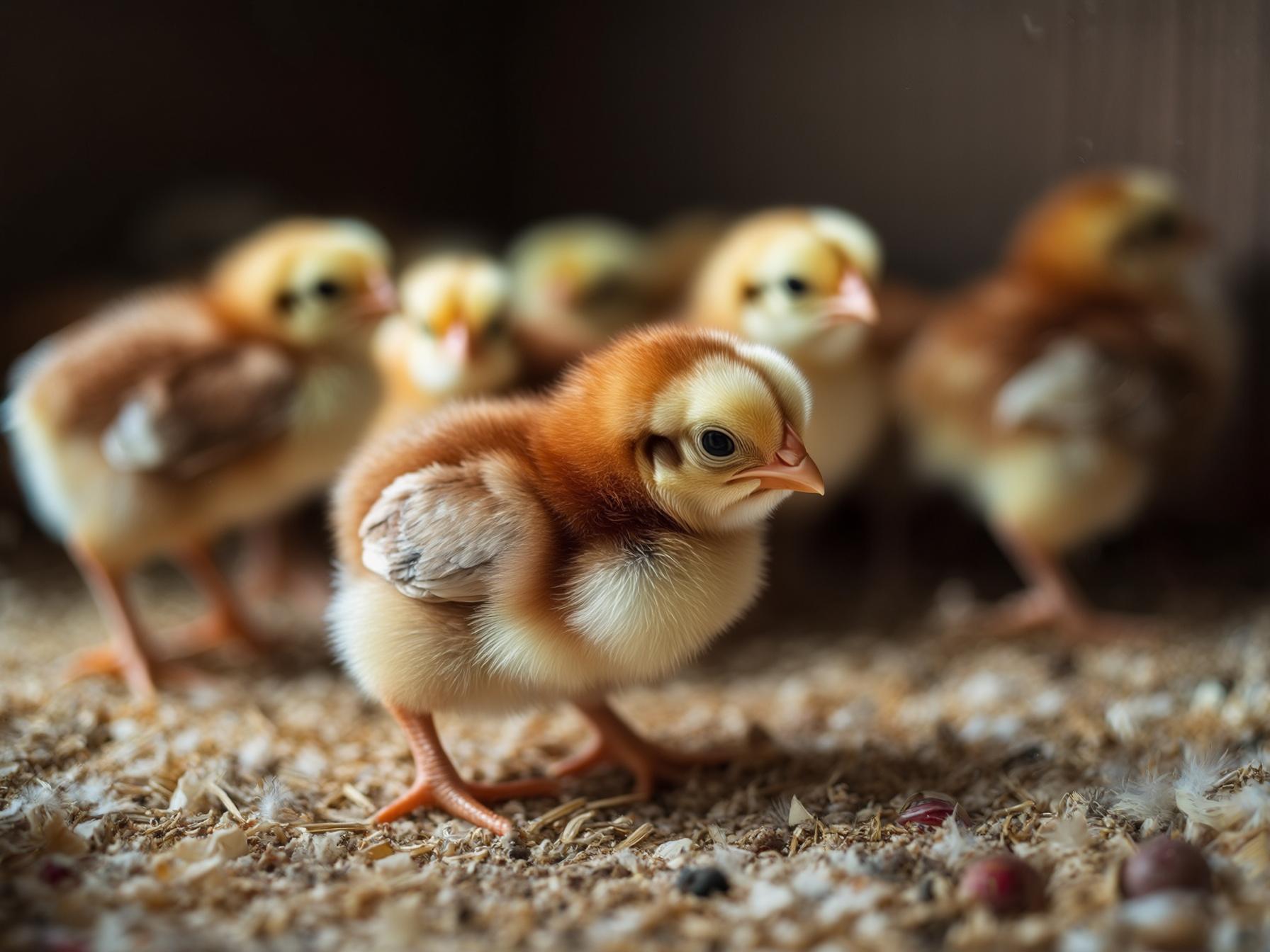
Coccidiosis is a parasitic gut infection. It is not a home-fix situation. I want to be completely clear about that before anything else.
Here’s what it looks like: lethargy before anything else, a chick that’s puffed up and hunched and not moving around. That comes first. Bloody or rust-colored droppings tend to follow, and that’s when most people start to panic — but the puffed-up stillness usually shows up earlier. If you’re waiting for bloody droppings to act, you’ve already lost time.
One thing that throws people off: chicks produce normal cecal droppings that are dark orange-brown, kinda foamy, and smell awful. Those are fine. What you’re looking for with coccidiosis is droppings that have actual blood in them — brighter, more obviously red, sometimes just a smear on the brooder floor. If you’re unsure, that uncertainty is reason enough to call.
Coccidia spreads through contaminated droppings, and in a small brooder it can move through the whole batch in a matter of days. It moves fast.
Treatment requires a prescription or a specifically labeled anticoccidial medication at the dose on the label. This is not a situation where you estimate a dose. Getting it wrong helps the parasite. Call a vet the same day you see those symptoms, not tomorrow to see if things improve. This is the one problem on this list where “wait and see” will cost you multiple chicks.
Read next: Reading brooder temperature from the chicks, not the thermometer
| Shipping Stress | Illness | |
|---|---|---|
| Lethargy | Present | Present, more pronounced |
| Unsteadiness / huddling | Present | Present, more pronounced |
| Labored breathing | Absent | Often present |
| Obvious physical symptoms | Absent | Often present |
| Response to warmth and fluids | Chick perks up | Chick often does not respond |
Bottom line: If warmth and fluids don't turn a chick around, stop watching and call a vet.
Daily One-Minute Check: What to Look at and in What Order
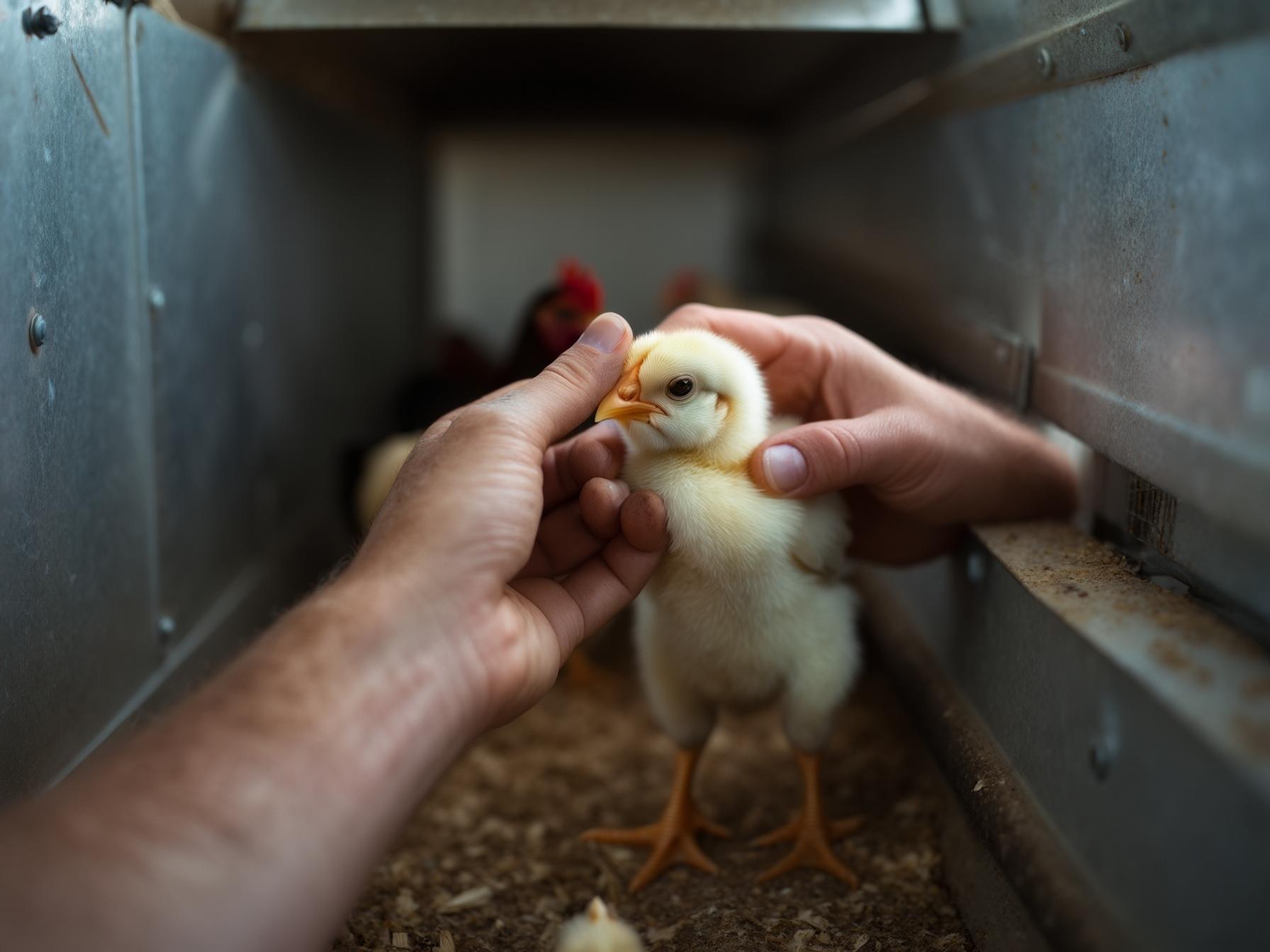
Every morning. One minute per chick, less once you get fast at it. The order matters: vent first, legs second, eyes third. Vent and legs are the most time-sensitive problems on this list, so they go first. Eyes tell you about infection and injury. Crop should feel full and a bit squishy after eating, not hard or empty for long stretches.
Watch behavior at the feeder: is this chick actually eating, or just standing near it? Watch the droppings — normal, formed, no blood. Then watch where the chick sleeps. Huddled directly under the heat source means too cold. Sleeping pressed into the far corner away from the lamp means too hot. Both are fixable in two minutes if you’re watching.
Handle your chicks from day one. Not just for taming. Because the only way you catch a spraddle leg at day two, or notice a vent starting to crust over, is by picking them up and looking. I do this before I do anything else in the morning — before I check on the run, before I deal with the older hens, before coffee.
Keepers who don’t handle their birds until week three are genuinely flying blind. By the time something looks obviously wrong to a person who isn’t touching them daily, several of these fixable problems have already become serious ones.
The whole check takes under 60 seconds per chick if they’re used to you. Make it a habit. Before anything else.
Quick Reference: Handle It Now vs Call a Vet
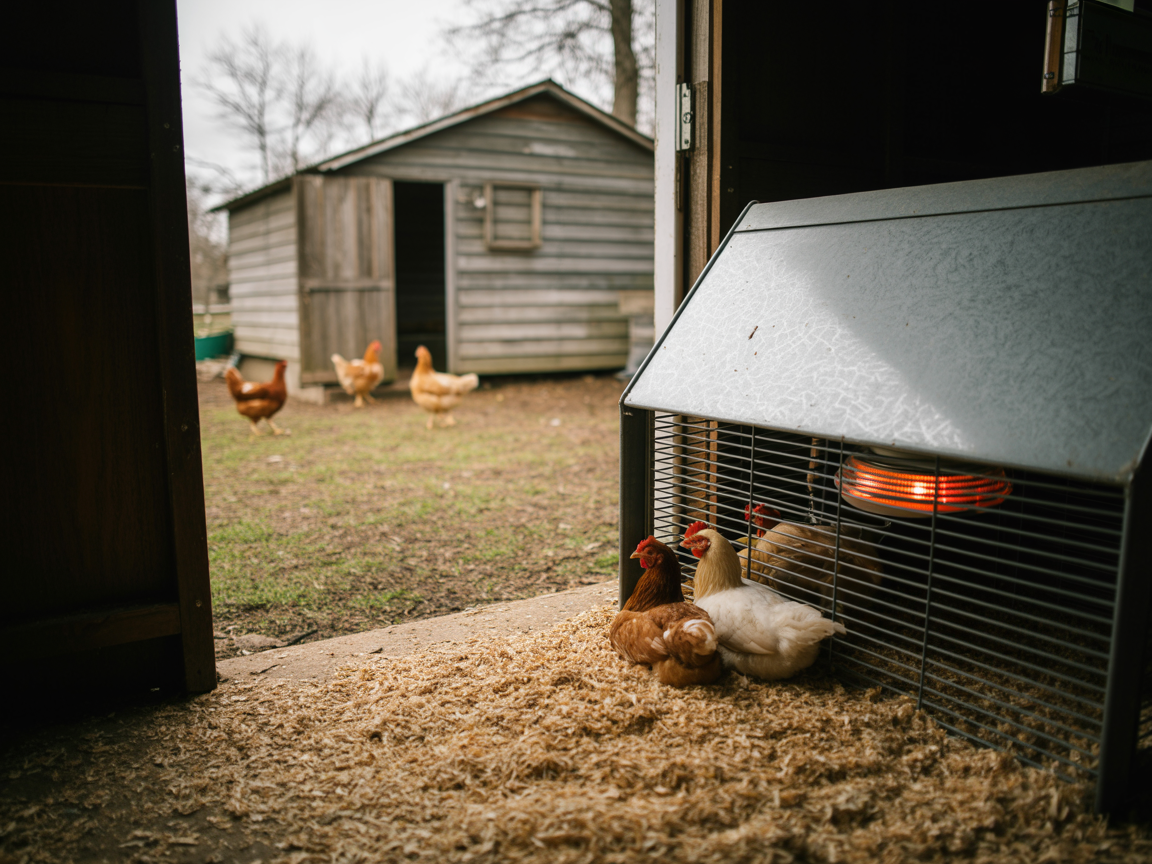
For the 11pm moments when you don’t want to read paragraphs. Two columns, no hedging.
Handle It Now: Pasty butt — soak and clean immediately, every time you see it Spraddle leg caught in the first five days — make the hobble today Shipping dehydration — dip beaks in water on arrival, get them under heat Chick not eating at 24 hours — tap the feed, check temp, check for crowding
Call a Vet: Bloody or rust-colored droppings — same day, not tomorrow Lethargy plus puffed posture plus not eating, all together — take this combination to a vet the same day — coccidiosis is one of the first things to rule out Any chick not responding after 48 hours of home intervention — you’ve done what you can do at the brooder
Everything else other resources list tends to fall into one of those two piles if you look at it straight. The goal here was to draw the line explicitly so you don’t have to guess at midnight. You’ve got the line. Use it.