Yes, chickens can eat old carrots, as long as “old” means limp, wrinkled or rubbery. That kind of old is mostly lost water. Mold, slime or rot is a different problem, and those carrots go in the trash, not the run. Washing doesn’t fix them, and for hens trimming doesn’t either. Both of those are my own judgment, since no source I read tested a rinse and USDA’s trim rule is written for people. The other limit is size. Even a perfect carrot is only a treat, and by my math a hen’s treats for the whole day come to 10 to 15 grams. So one medium carrot covers four to six hens.
I rewrote this page from 24 sources, all listed at the bottom. How a carrot ages in storage comes from UC Davis’s postharvest fact sheet. Mold on food comes from the USDA, and that guidance is written for your kitchen. For hens I used Colorado State, Alabama Extension, the University of California’s Feeding Your Flock guide, UF/IFAS, Jacquie Jacob’s guide and the Merck Veterinary Manual. The feed numbers come from Feedipedia and USDA FoodData Central, and I’ll name the trials as we get to them. I found no study of backyard hens eating old fridge carrots. So part of this is my read of the sources, and I’ll tell you which part.
The old page opened with a fridge story I can’t back up. It talked about raising “Rhode Island Reds” and “Barred Rocks” with Orpingtons “for over 5 years”, and later about being “a chicken keeper for over 5 years”. Then came the “Scarlet Nantes and Purple Haze carrots” lost in the crisper, plus Ginger “stomping her feet” and Henrietta guarding her portion. There was a rooster named Charles, too, and “a 5 pound bag of old baby carrots” dropped in a mud puddle. I can’t show you any of that happened, so it’s gone.
The worst line was played for a laugh. Charles was said to “gulp down carrots covered in fuzzy mold without a second thought”. Further down, the page told you to “Wash carrots thoroughly if they show any mold growth.” Neither belongs on a page about feeding hens. A bird swallowing something proves nothing about whether it’s safe, and no source I read says a rinse makes a moldy carrot okay. That’s why the answer up top reads the way it does.
The bird stories went next. “I notice my hens lay more consistently” and “My rooster’s bright red comb tells me he’s getting enough iron” are claims about birds I can’t show you. “The natural sugars have condensed” had no source I could find. Neither did the idea that hens prefer old carrots, or that soft ones suit older hens. Carrots preventing “diarrhea or constipation” is out, and so are “strong eggshells” from carrot minerals and not needing “expensive supplements or vitamin powders”. “1-2 treats per chicken daily” went too, since it never said how big a treat was.
The cooked and juicing sections lost plenty as well. The line that cooked carrots “lack the fiber of raw carrots” is wrong on USDA’s numbers, and I’ll show you. “2-3 times a week” had nothing behind it, and the closest I found to “Warm carrots can harbor bacteria” is Cackle Hatchery’s line on moist food in a warm brooder. The steamed batch kept “for up to a week” is out, since USDA says 3 to 4 days for leftovers. So is stirring cooked carrots into fermented feed on hot days. On carrot tops, I couldn’t source vitamin K “for blood health”, the bioflavonoids that help hens “absorb vitamin C”, or oxalic acid as the cause of diarrhea. I also couldn’t find the falcarinol trial of laying hens and its “6 weeks straight”. Nothing backed “dehydrate at 200 F for 2 hours” for pulp, and chick grit doesn’t go in wet pulp “to help absorb moisture”. Grit is stone for the gizzard. The breed list is gone too, Jersey Giant’s “large beaks” and all.
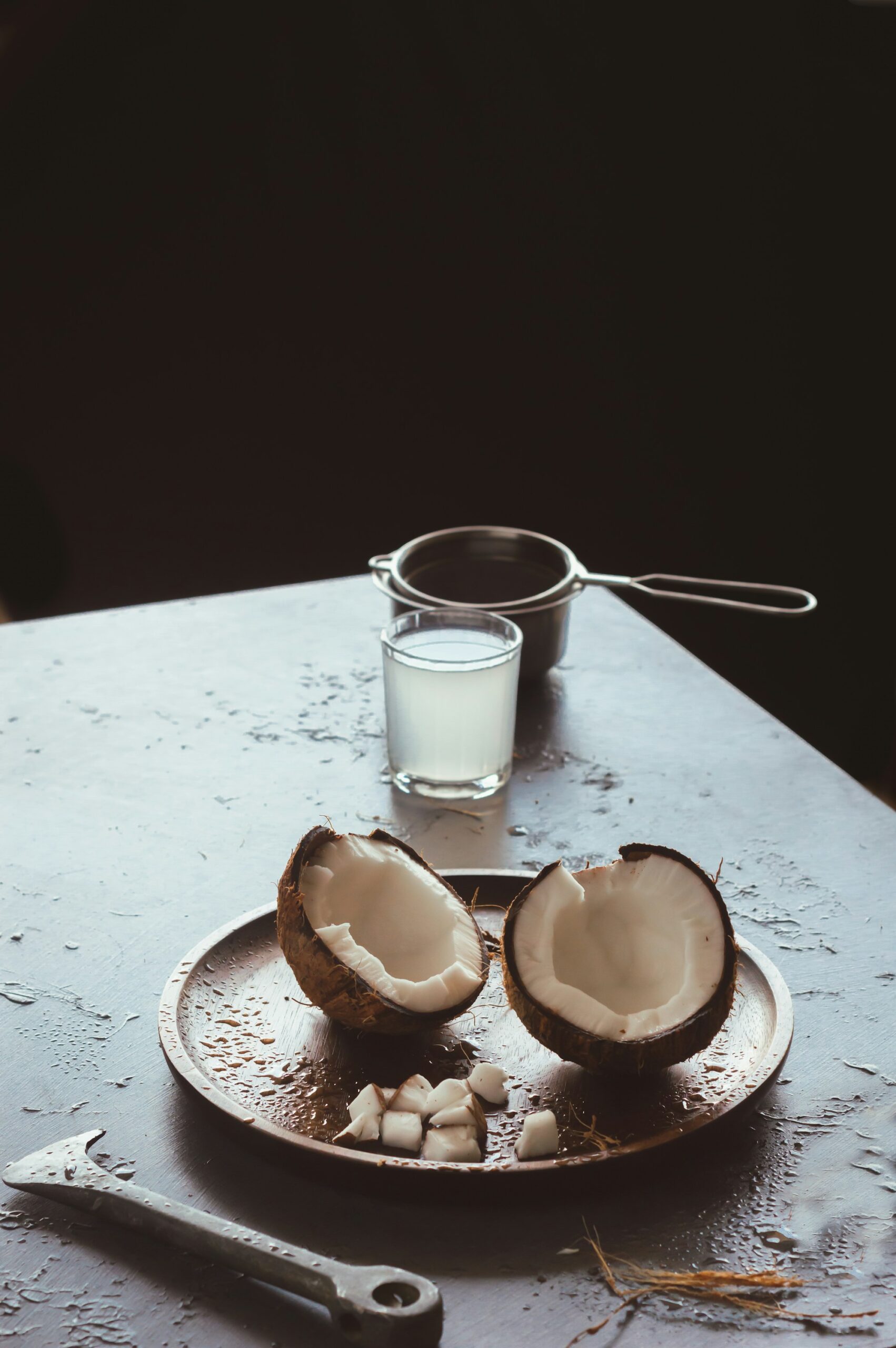
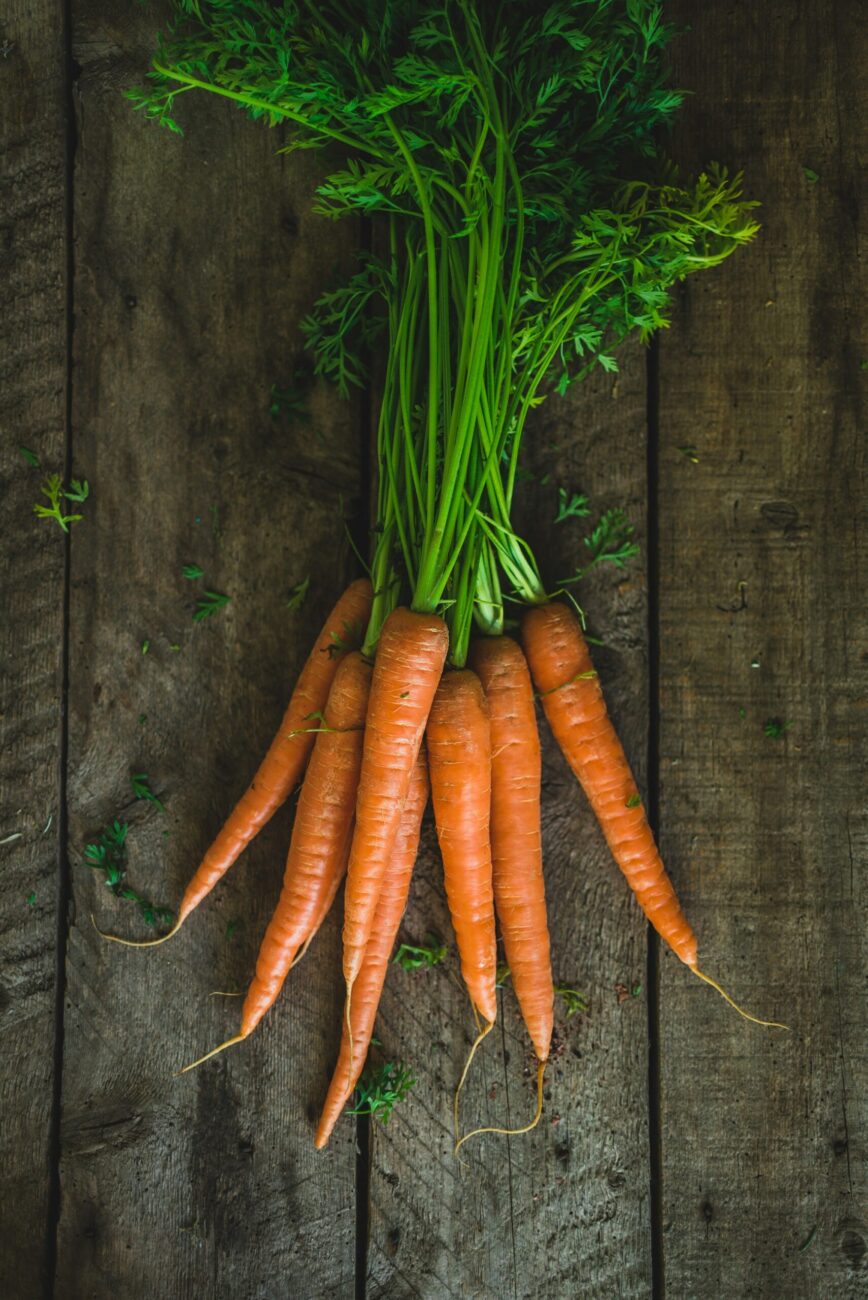
A word on the photos. All 12 are real stock shots, credited under each one. I couldn’t find a free photo I trust of a limp carrot, a moldy carrot or a hen eating one, so a few stand in. The sprouting carrot stump is the closest I got to an old carrot. The rot shot is fruit on a branch, not a carrot, though it does show a bad one touching its neighbors. The rooster and hen are just out foraging, and the chicks are at a feeder. The juice stands in for pulp, since no pulp photo passed my checks. And the roasted carrots are a kitchen shot, so if yours have salt or butter on them, they stay in the kitchen.
The short version.
- Limp, wrinkled or rubbery is fine as a treat. UC Davis puts those down to drying out, so my read is that it’s a quality problem, not a safety one.
- My call: any mold, slime or rot means the whole carrot goes in the trash. Colorado State says to make sure scraps aren’t “moldy”, and Jacob warns that rotten scraps can mean botulism.
- Washing isn’t the fix. The washing lines I found on carrots are about dirt and moisture, not mold.
- USDA lets you trim a small spot off a firm carrot for yourself. That’s a rule for people. My call: that carrot doesn’t go to the hens.
- Keep it small. Colorado State says treats “should make up no more than 10% of their daily diet”. Alabama puts a laying hen at 100 to 150 grams of feed a day, so by my math that’s 10 to 15 grams of all treats.
- The trial that fed hens 70 grams of carrot a day isn’t a target. Every carrot group in it laid lighter eggs than the control.
- My read: cooked is fine if it’s plain. No salt, no butter, and use it within 3 to 4 days.
- My read: fresh carrot tops are a fine green, going by Colorado State’s “leafy greens”, as long as you’re sure they’re carrot tops.
- Juicer pulp is a scrap like any other. I found no hen trial on it, so same-day feeding is my call.
- Chicks get only starter for at least the first two weeks, and Alabama wants complete feed alone to 6 weeks. Once you do treat them, Cackle Hatchery lists carrot “cooked soft, then mashed”.
Limp Is Water Loss, Not Rot

My read: a carrot doesn’t go from crisp to dangerous in one step. UC Davis’s postharvest fact sheet wants a carrot firm, so limp does count as a quality fault. But look at how it explains limp. It lists “wilting, shriveling, or rubberiness” as what follows from drying out. So if you pull one from the back of your crisper and it bends in your hand, it has lost water. My read: if there’s no fuzz, wet patch or slime, that’s likely the whole story.
None of my poultry sources talks about limp carrots by name, so calling them fine is my read. Colorado State suggests “vegetable peelings, discards” as scraps, and what it warns you about is things like salt and mold, not looks. The University of California’s guide wants scraps “still good quality”, and on quality, what it rules out is “rotten or otherwise unhealthy food”, so where limp falls is a judgment call. Livestock farms use rejects too. Feedipedia says “Feed carrots are usually cull (grade-out) or surplus carrots”. Those are graded-out and extra carrots, not limp ones, so that only goes so far.
Two things aren’t on UC Davis’s list of storage diseases, so my read is they aren’t rot. Cut carrots can get a dry white film, which UC Davis calls “White Blush, due to dehydration of cut or abrasion-peeled surfaces”. My read: a smooth, dry pale film on a baby carrot is likely that. If it’s fuzzy, dusty or velvety, treat it as mold and toss it. Then there’s bitterness. UC Davis says “Bitterness may be caused by preharvest stress (improper irrigation scheduling) or exposure to ethylene from ripening rooms or mixing with commodities such as apples”. That doesn’t clear every bitter carrot, because mold can raise bitter compounds too, as you’ll see below. So bitter plus any fuzz or wet patch is trash. I found nothing on whether a hen minds a bitter carrot, so if she walks away from it, let her.
How long a carrot lasts depends on the carrot. At 3-5°C, which is about 37 to 41°F, UC Davis says “mature carrots can be stored with minimal decay for 3-5 months”. Cello-pack carrots are “typically immature” and “may be stored successfully for 2-3 weeks at 3-5°C”. My read: those are storage windows, not use-by dates. Either way, you judge the carrot in your hand.
What Goes in the Trash: Mold, Slime, Rot

Here’s my test, by eye and by hand. Any fuzz, in any color. Any wet or mushy patch. Any slime. If a carrot has one of those, the whole carrot goes. The list is my summary, but I didn’t pull it out of the air. UC Davis’s main storage diseases include “Gray Mold”, “Watery Rot”, “Bacterial Soft Rot” and “Sour Rot”. The names tell you what you’re looking for.
The poultry sources that bring this up all warn against moldy or rotten food, though none of them spells out a test like mine. Colorado State says to make sure scraps aren’t “moldy”. The University of California’s guide rules out “rotten or otherwise unhealthy food”. UF/IFAS warns that “Mold can produce harmful toxins that lead to respiratory issues, digestive problems, or poisoning”. Jacob is blunt: “Make sure that the scraps are not allowed to rot, or botulism might result”. And Merck says botulism “may also result from direct ingestion of decaying organic matter that contains toxin”. Our Can Chickens Eat It? food checker says the same: carrots are fine as a treat, but anything moldy or rotten is a no. For the wider list, see what not to feed chickens.
And don’t think of it as a normal carrot with a little fuzz on it. USDA says “Foods that are moldy may also have invisible bacteria growing along with the mold”. Then there’s a 2025 review of carrot chemistry by Umar and colleagues. It says fungal infections such as gray mold “trigger PA accumulation”, and PA stands for polyacetylene. So the carrot builds up more of its own bitter defense compounds, the falcarinol family the old page brought up. The review says those can protect nerve cells at lower concentrations and “can exhibit neurotoxic effects at higher concentrations”, and it gives no level for a moldy carrot. None of my sources measured that in hens, so it’s no finding about chickens. It only tells me a moldy carrot isn’t the same food it was.
Mold toxins are the harder question. USDA says mycotoxins are “found primarily in grain and nut crops”, and are “also known to be on celery, grape juice, apples, and other produce”. Carrots aren’t named. So I can’t tell you how likely a toxin is on your carrot. Honestly, nobody I read can. But none of my poultry sources says it’s fine, either. The grain side is in my page on whether chickens can eat corn, and the same trash rule shows up on sweet potato skins.
One bad carrot can have neighbors. USDA says to “Check nearby items the moldy food might have touched”, so go through the bag. My call: anything touching it or wet from it goes too. USDA also says “Don’t sniff the moldy item”, so judge with your eyes. And for food covered with mold, it says to use “a covered trash can that children and animals can’t get into”. My read is that rules out the open compost heap your hens scratch through.
Freezing is the other fridge trap. UC Davis says frozen carrots show “an outer ring of water-soaked tissue, viewed in cross section”, and that it “blackens in 2-3 days”. Feedipedia says “Frozen carrots will rot in 7-8 days and are poorly palatable”. Those lines come from commercial handling and livestock feed, but my read is they hold for a fridge carrot. So one that froze against the back wall is on a short clock. Cut it to check, and once it looks dark or wet, it’s trash.
USDA’s Trim Rule Is for Your Plate, Not the Run

Here’s where people get tripped up. USDA’s mold chart names carrots. Under firm fruits and vegetables, “such as cabbage, bell peppers, carrots, etc.”, it says to “Cut off at least 1 inch around and below the mold spot”. So a firm carrot with one small spot isn’t trash for you.
Two things stop me handing a trimmed carrot to a hen. The first only counts once the carrot has gone limp. USDA’s reason for the rule is “It’s difficult for mold to penetrate dense foods.” A limp old carrot isn’t the firm, dense carrot that line describes. USDA doesn’t say where a rubbery carrot falls. My read: it has lost water, so it isn’t quite the soft, high-moisture produce that USDA says to discard. But it isn’t the carrot in the trim rule either, so I wouldn’t lean on that rule for it.
The second is who the rule is for. The thing is, it’s written for you, and the poultry sources don’t repeat it. Colorado State’s word is just “moldy”, with no trim clause. UF/IFAS leaves the closest thing to wiggle room: “If food is moldy enough that you would not eat it yourself, do not feed it to your chickens”. My read is that a firm carrot you trimmed by the book might pass that line. But the same page files “Moldy or Rotten Food” under foods to never feed, and it closes with “if the food is spoiled, heavily processed, or questionable, do not feed it to your flock”. So this is a judgment call, not a rule. Mine is no. Your hen doesn’t need that carrot, and it isn’t worth finding out what the knife missed.
Washing Gets Dirt Off, Not Mold

Washing does have a job. Feedipedia says carrots “may contain high levels of mineral matter (more than 10%) due to residual dirt”, and that it’s better to wash them before feeding. The juice trial I’ll get to below washed its carrots “to remove visible contaminants”. So yes, rinse the soil off. But neither of those says a word about mold.
Mold is a different job. USDA says that with heavy mold growth, root threads “have invaded it deeply”. A rinse takes off what you can see, and my read is it can’t reach what’s inside. No source I read tested washing a moldy carrot, so I can’t give you a number. For feed, Merck says that once mold toxins form, “they are chemically stable and persist in the contaminated ingredient”. I found nothing that says a rinse changes that.
Timing matters too. UC Davis says “Free moisture from the washing process” will “promote decay” in storage. That line is written for commercial handling, but my read is it holds for your crisper. So rinse right before you feed, not before the carrots go back in the bag.
What a Carrot Really Gives a Hen

Mostly water and color, with some sugar. USDA’s FoodData Central puts a raw carrot at 88.29 grams of water per 100 grams, with 0.93 grams of protein and 2.8 grams of fiber. Feedipedia says the dry part holds “up to 60% sugars, mostly sucrose”.
Now set that against the feed you already buy. Alabama says your laying hens need “around 18 percent crude protein”. So 15 grams of that feed carries about 2.7 grams of protein, and 15 grams of carrot about 0.14 grams by my math. That’s roughly a twentieth as much. Alabama’s warning is that if treats are “given in excess”, birds “will fill up on these incomplete feeds”, and that when they do, “their egg production is likely to suffer”. It compares treats to ice cream at every meal, and I can’t improve on that.
The old page did get this part right. Carrots are loaded with beta-carotene, at 8,285 micrograms per 100 grams raw. A 2016 review by Green and Fascetti calls it “an important source of VA” for birds, VA being vitamin A. The catch is that Alabama says “complete feeds are designed to be the sole source of nutrients for your birds”. So if you’re on a good layer feed, a carrot is a bonus, not a fix. Nothing here replaces the feed, and it was never a reason to skip it.
What Danish Trials Found When Hens Ate Carrots

Turns out the best case for carrots isn’t vitamins. It’s something to do. In a Danish trial by Steenfeldt and colleagues, published in 2007, laying hens got carrots or silage as foraging material on top of their feed. The carrots came to 48 percent of what those hens ate “as fed”, and that weight is mostly water. Egg production held up. It “was highest in hens fed either carrots or maize silage”.
The bigger result was the birds themselves. “Mortality was reduced dramatically in the three groups given supplements (0.5 to 2.5%) compared to the control group (15.2%)”. All three supplements also cut damaging pecking and improved the feathers at 54 weeks. But the abstract doesn’t say what killed the control birds, so I won’t claim carrots saved them. A 2026 meta-analysis by Lee and colleagues pooled studies of pecking materials, and it counted carrots among the edible ones. Pooled, those materials “significantly reduced mortality”, with no significant change overall in egg production, egg mass, egg weight, feed intake or feed conversion. Body weight did drop, overall and in the edible group, and the edible group raised egg mass. The authors flag “substantial heterogeneity and unclear risk of bias”, so I wouldn’t lean on it too hard.
Those hens ate far more than I’d give yours, so here’s the other side. In a Danish trial by Hammershøj and colleagues, published in 2010, hens got standard feed plus 70 grams of carrots a day. That’s more than one medium carrot, which FoodData lists at 61 grams. Egg and yolk weights were lower in all the carrot groups than in the control. Orange carrots also “significantly reduced egg mass production”, while yellow and purple didn’t differ from the control.
So the trials don’t say carrots are bad, and they don’t tell you to pile them on. Those were research flocks getting standard feed as well, with a control group to catch any downside. And none of this shows that 10 to 15 grams does the same for pecking. My call: stay inside the 10 percent line, and think of a carrot as something for bored hens to do, not a meal.
What Carrots Do to an Egg

They can color the yolk. In that 70-gram trial, yolk redness climbed from the control through yellow and orange to purple carrots. Purple carrots raised lutein more than 1.5-fold and beta-carotene more than 100-fold.
That last number sounds bigger than it is. Green and Fascetti’s review says “Chicken yolk is very low in BC”, BC being beta-carotene, so my read is that 100-fold starts from very little. And that took 70 grams a day. I can’t tell you a 10-gram share does anything you’d see in your pan.
Flavor might shift a bit too. In a 2005 trial by Hammershøj and Steenfeldt, hens got whole carrots and corn silage, and “Eggs from treatments with foraging material had significantly higher sulfur-like aftertaste in sensory evaluation”. Those hens got both foods, so I can’t pin that on the carrots. At treat size, I wouldn’t worry about it.
As for “strong eggshells”, in hens I found nothing to support it. The closest is a quail study cited in the paper below, which I didn’t read. In a trial from Türkiye published in 2026, Ozcinar and colleagues split 128 caged hens into a control and three groups with fresh carrot juice in their water for four weeks, at 1, 2.5 or 5 percent. All three juice groups laid more than the control, at 81.84 to 85.56 percent against 72.28. But shell thickness dropped in the 1 percent group, and the other two matched the control. That’s juice in water, so it says little about a carrot in your run. It just isn’t a result about stronger shells.
How Much, and How I’d Serve It

Start with the limit. Colorado State says treats “should make up no more than 10% of their daily diet”. It doesn’t say by weight, but that’s how I read it. Alabama says a laying hen eats “between 100 and 150 grams of feed per day”. That makes 10 to 15 grams a hen by my math, and that’s every treat she gets that day, not just the carrot.
Here’s what that looks like. A hen’s share is about a sixth to a quarter of a 61-gram medium carrot. FoodData lists a cup of grated carrot at 110 grams, and with 16 tablespoons to the cup, her share is about 1.5 to 2 tablespoons.
- Check each carrot. Run it through the trash test above. When in doubt, it goes.
- Rinse off the dirt. Do it right before you feed.
- Grate or chop it. Smaller bits spread further, so one bossy hen can’t take it all. That’s my call. The 2005 trial fed whole carrots, though the abstract I read doesn’t mention pecking. My guess is a whole one keeps hens at it longer, but it’s a lot of carrot for a small flock.
- Scatter it. Spread it thin over the run, away from the feeder.
- Watch the clock. Colorado State says no more than they can eat in “5 – 10 minutes”, so you don’t “attract nuisance animals”. Jacob’s limit on scraps and scratch together is what they “can finish in 20 minutes”. I’d go with the shorter one and rake up what’s left.
- Keep the basics up. Feeder full, drinker full.
The old page said hens need grit “to help grind up carrot fiber”. My sources split on grit in general. Alabama says backyard flocks on ground feed don’t need it, and Colorado State wants “free access to grit”. Keep some out if you like, but a treat-size bit of carrot wouldn’t change my mind either way.
It also warned that too many cause “loose droppings”. That one has some support. Feedipedia says “Feeding high levels of fresh carrots may cause some scouring”, and scouring means diarrhea. That’s a general livestock line, not a hen result. Weirdly, the same sentence says it “can be minimized by storage for a few weeks”, which is a fun thing to find on a page about old carrots. It’s no reason for you to age them on purpose.
Cooked Carrots: Plain, and Soon

My read: cooked is fine, as long as it’s plain. The only poultry line I found on cooked carrot is Cackle’s for chicks, “cooked soft, then mashed”. Colorado State rules out salty scraps. The University of California’s guide says “avoid fatty foods”. So leftovers glazed in butter or roasted in salt don’t qualify, and neither does anything cooked with onions, which Colorado State also says to avoid. I went through why salt matters so much in my page on feeding chickens cheese.
The old page said cooked carrots “lack the fiber of raw carrots”. USDA’s numbers say otherwise. Boiled carrots have 3.0 grams of fiber per 100 grams and raw ones have 2.8. Beta-carotene barely moves either, at 8,332 micrograms boiled against 8,285 raw. So its line that cooked carrots “retain most of their nutritional value” holds up on those two numbers. The “extra bioavailability” for your flock is the part I can’t back. Green and Fascetti say “mild heating can improve the bioavailability of carotenoids”, but that passage is on mammals, not birds, and I found nothing showing it for hens.
Storage is what I’d fix. The old page kept a steamed batch “for up to a week”. USDA says “Use leftovers within 3 to 4 days so mold doesn’t have a chance to grow”. That’s the rule for people, and I’d use it here too.
My call: cooking isn’t a rescue for a bad carrot. No source I read says it makes moldy food safe. Merck says botulinum toxin is heat labile and “can be destroyed at 80°C for ≥ 10 minutes”, but that comes up in its advice on handling lab samples, and it’s no test on a carrot. And I’d skip stirring carrots into fermented feed. Alabama says fermented feed “can have some positive effects on digestion and water intake”, but it also warns that wet feed “will attract flies”, especially in summer, and that “the unconsumed wet mash will spoil quickly”. Sounds like a lot of cleanup for a treat, so that one’s my call.
Carrot Tops: Fine, If They’re Really Carrot Tops

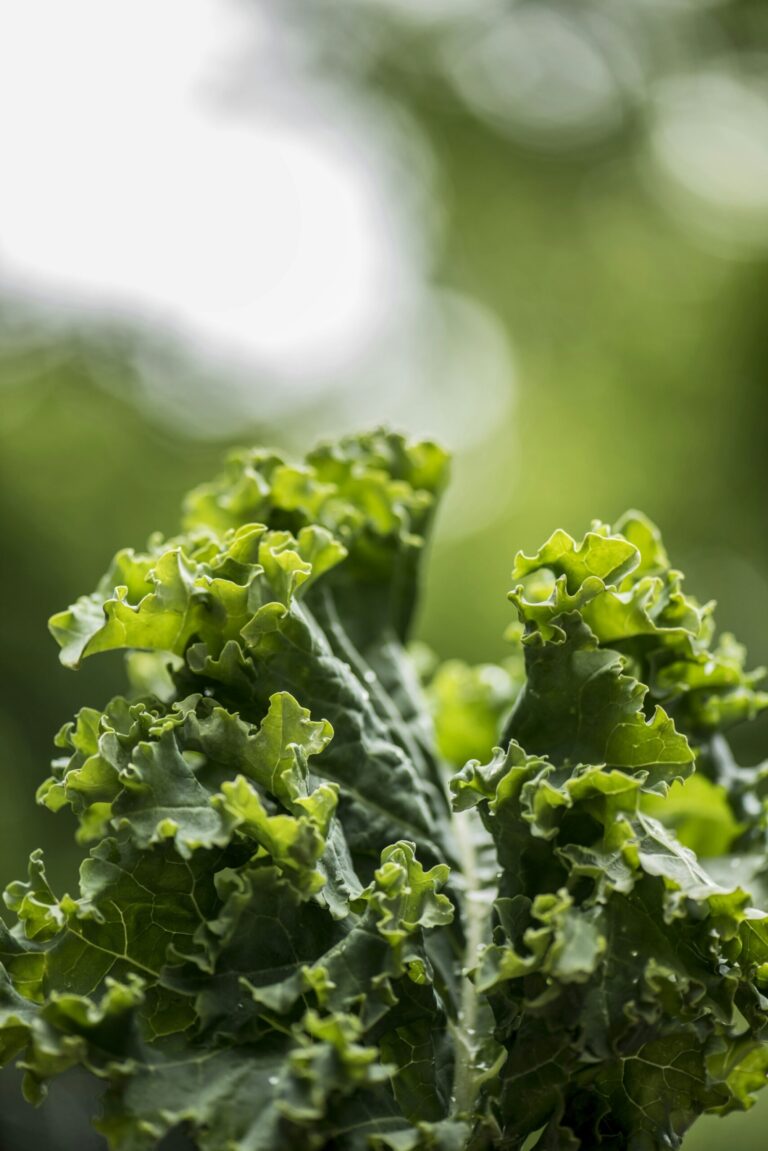
My read is yes, going by Colorado State’s “leafy greens”, with the same rule you’d use on the roots. Wilted is fine and slimy isn’t. Jacob says chickens “are not able to digest old, fibrous plants”, so I’d skip any tough old stalks. Our checker counts carrot tops as a treat, and they’ve been fed to hens on purpose. Feedipedia reports tops fed at 15 percent improved yolk beta-carotene and color, with that rise already there at 5 percent. Those are shares of a diet, and it doesn’t say if the tops were fresh or dried. Egg weight and the “strength and thickness of eggshell” didn’t change. In a trial published in 2019, Titcomb and colleagues at the University of Wisconsin put dehydrated carrot leaves in the feed of laying hens for 28 days. Yolks held 5.34 and 5.92 nmol/g of lutein with the two leaf types, against 3.59 on plain white maize feed, and marigold beat both. That’s dried leaf in a ration, not a fresh handful in the run, so I wouldn’t stretch it far.
Tops aren’t a mineral plan. Feedipedia’s two samples average 20.1 grams of calcium per kilo of dry matter, from 14.0 to 26.1, and its one dry matter figure is 16.4 percent. By my math that’s about 0.33 percent calcium as fed. Alabama’s layer diet runs 3% to 4%, so tops have about a tenth of the calcium in your feed. They count toward the same 10 to 15 grams. UC Davis also calls bunched carrots “highly perishable due to the presence of the shoots (tops)”, so use them first.
The falcarinol worry is real chemistry with no hen data behind it, as far as I can find. Umar’s review shows the compounds are in the plant, leaves included. But I couldn’t find any study that fed them to hens and measured the result. So the old page’s comfort isn’t proven, and neither is any harm. The hen trials above reported yolk and egg results, and I can’t stretch those further.
My read: the bigger risk with tops is a mix-up. NC State says poison hemlock is “in the carrot family”, and it lists Daucus carota, the carrot species, among the plants it’s “often confused with”. The leaves “resemble parsley”, and the taproot “resembles a parsnip or carrot”. It’s “highly toxic and can be fatal to people and livestock”. So only feed tops you pulled off your own carrots or bought on them, never a wild plant from the fence line. If you want other greens, my page on rabbit food has more.
Juicer Pulp: Same Rules, Less Evidence

I looked for a hen trial on carrot pulp and didn’t find one, so most of this section is my call. The Turkish trial above used juice, not what’s left behind. Feedipedia’s figures for carrot juice residue are a “relatively low protein content (7.7% DM)” and a high amount of fiber. So it’s no feed replacement.
Plain pulp is a scrap like any other, so it counts toward the 10 to 15 grams. I’d feed it the day you juice. UC Davis says free moisture promotes decay on stored carrots, and my read is that goes for wet pulp too. Drying it isn’t the upgrade the old page made it out to be, either. Feedipedia says “processes like ensiling and drying can significantly decrease the ß-carotene content”. That line is about whole carrot roots, so carrying it over to pulp is my read.
Watch what else went through the juicer. The old page was right to say carrot only. If orange went in, Colorado State says scraps shouldn’t “have citrus”, and I went through that in my page on oranges and peels.
Chicks: Starter First, Then Cooked and Mashed

Cackle Hatchery says “Feed only starter ration for at least the first two weeks”. Alabama goes further, with a complete diet “from 1 to 6 weeks of age as their sole source of nutrition”. So two weeks is the earliest, and 6 weeks is the careful end. Cackle’s guide says that once treats start, they go in “only small amounts at a time”, and no more than 10 percent of the diet “by volume”. Carrots go in “cooked soft, then mashed”. It also says to “Chop everything into chick-size bits to prevent choking”, and to clear leftovers, since “moist foods in warm brooder can develop mold and bacteria”.
I’d be stricter about old carrots with chicks. Use a sound one or skip it. Merck says “Mortality rates can be high in chicks and turkey poults that inhale large numbers of mold spores”. That’s about spores in the air and on bedding, not about a carrot. Still, it’s one more reason to keep anything moldy away from a brooder. For the rest, see my page on what baby chicks can eat.
Sources
- Suslow and colleagues, UC Davis Postharvest (2002): Carrot.
- USDA Food Safety and Inspection Service: Molds on Food: Are They Dangerous?
- Howard Enos, Colorado State University Extension: Raising Poultry the Organic Way, Disease Control and Feeding.
- Pacheco and colleagues, Alabama Cooperative Extension, ANR-2913 (2022): Feeding the Laying Hen.
- Jacquie Jacob, University of Kentucky, poultry.extension.org: Feeding Chickens for Egg Production in Small and Backyard Flocks.
- Maurice Pitesky and Nancy Reimers, University of California: Feeding Your Flock.
- UF/IFAS Extension Holmes County: 10 Foods You Should Never Feed Chickens.
- Dulmelis Sandu, Merck Veterinary Manual: Mycotoxicoses in Poultry.
- Martine Boulianne, Merck Veterinary Manual: Botulism in Poultry.
- Kromm and Lighty, Merck Veterinary Manual: Aspergillosis in Poultry.
- Feedipedia: Carrot (Daucus carota).
- Feedipedia, feed table: Carrot tops, fresh.
- USDA FoodData Central: Carrots, raw (FDC ID 170393).
- USDA FoodData Central: Carrots, cooked, boiled, drained, without salt (FDC ID 170394).
- Steenfeldt and colleagues, British Poultry Science (2007): Effect of feeding silages or carrots as supplements to laying hens on production performance, nutrient digestibility, gut structure, gut microflora and feather pecking behaviour.
- Hammershøj and colleagues, Journal of the Science of Food and Agriculture (2010): Deposition of carotenoids in egg yolk by short-term supplement of coloured carrot varieties as forage material for egg-laying hens.
- Hammershøj and Steenfeldt, Poultry Science (2005): Effects of blue lupin in organic layer diets and supplementation with foraging material on egg production and some egg quality parameters.
- Titcomb and colleagues, Poultry Science (2019): Carrot leaves improve color and xanthophyll content of egg yolk in laying hens but are not as effective as commercially available marigold fortificant.
- Ozcinar and colleagues, Life (2026): Effects of Different Levels of Carrot Juice Supplementation in Drinking Water on Performance, Egg Quality, Blood Parameters, and Gut Health of Babcock White Laying Hens.
- Green and Fascetti, The Scientific World Journal (2016): Meeting the Vitamin A Requirement: The Efficacy and Importance of β-Carotene in Animal Species.
- Lee and colleagues, Animals (2026): Effects of Pecking Materials Provision and Edibility on Productivity Indicators in Laying Hens: A Systematic Review and Meta-Analysis.
- Umar and colleagues, Current Issues in Molecular Biology (2025): The Known Unknowns: An Enigmatic Pathway of C17-Polyacetylenic Oxylipins in Carrot.
- Gail Damerow, Cackle Hatchery: What to Feed Baby Chicks.
- NC State Extension Plant Toolbox: Conium maculatum.
Sources checked November 2, 2026. Calling a limp or wrinkled carrot fine is my read, since no poultry source names them, and the same goes for fresh or wilted tops and for plain cooked carrot in grown hens. So is building the trash test from UC Davis’s disease names, and keeping moldy food off an open heap. Treating 10 percent as a share by weight is my read too. So is reading the UC Davis storage and freezing lines, Feedipedia’s frozen carrot and drying lines, and USDA’s leftover line across to a hen’s carrot and to pulp. Saying a rinse can’t reach mold inside a carrot is my read, as is saying white blush and bitterness aren’t rot, and that a mix-up is the bigger risk with tops. Telling blush from mold by its look is my read too, and so is placing a rubbery carrot between USDA’s firm and soft produce. My calls: trash the whole carrot, trash what touched it, and give hens no trimmed carrot. Treating a carrot as something for bored hens to do is my call as well, and so are saying cooking won’t rescue a bad one and leaving it out of fermented feed. Rinsing right before feeding is my call, as is grating or chopping. So is going with the shorter clock, feeding pulp the same day and being stricter with chicks. A whole carrot keeping hens busy longer is only a guess. Any figure I worked out in grams, tablespoons or percent is my math from the numbers these sources print, plus 16 tablespoons to a cup and the Fahrenheit conversion. We aren’t vets. If a bird looks sick, call a vet who sees poultry.
Related read: How to Raise Chickens for Eggs — Instant PDF download. Secure checkout by Stripe